Fat,Woman,,Fat,Belly,,Chubby,,Obese,Woman,Hand,Holding,Excessive


Many people begin weight-loss medications expecting steady, predictable results, only to feel frustrated when progress slows down or stops completely. This can happen with medications such as phentermine, Topamax (topiramate), Orlistat, GLP-1 medications like Ozempic or Wegovy, and other medically supervised weight-loss treatments.

In some cases, the medication itself may no longer be producing the same appetite suppression or metabolic effects. In others, the body adapts over time, creating what many patients describe as a “weight-loss plateau.” Stress, sleep, hormonal changes, insulin resistance, inconsistent nutrition, medication tolerance, and metabolic adaptation can all contribute to stalled progress.

For many patients, the issue is not a lack of effort or willpower. Long-term obesity is complex, and medication alone does not always produce sustainable weight loss.

Below, we’ll explain some of the most common reasons weight-loss medications stop working, when plateaus become common, and what medical or surgical options may exist if medications are no longer producing meaningful results.


Why Some Weight-Loss Medications Stop Producing Results

Orlistat and Weight Loss

Orlistat can be an effective weight loss aid, but it is important to remember that the medication won’t work if it’s not combined with other lifestyle changes. Eating a healthy diet and exercising regularly are essential components of any successful weight loss program. Additionally, Orlistat can cause some unpleasant side effects, such as gas and loose stools, which may make it difficult to stick with the medication. If you’re not seeing results after taking Orlistat, talk to your doctor about other options or adjustments that may be necessary for successful weight loss.


Medication Tolerance and Weight-Loss Plateaus

Phentermine is a type of stimulant that suppresses appetite and can lead to significant weight loss. However, like any medication, it needs to be combined with other lifestyle changes such as healthy eating and regular exercise in order to achieve the desired results. Additionally, Phentermine has been known to cause some uncomfortable side effects like increased blood pressure, insomnia, and dry mouth. If you’re not seeing the desired results after taking Phentermine, it’s important to speak with your doctor about modifying your dosage or trying a different weight loss option altogether.


When Topamax or Topiramate Stops Helping With Weight Loss

Topiramate is an anti-seizure medication that has been used off-label as a weight loss aid. Similar to other medications, it’s important to remember that Topiramate should be taken in combination with diet and exercise for the best results. Additionally, this medication can cause some unpleasant side effects such as dizziness and fatigue which may make it difficult to adhere to. If you’re not seeing the desired results after taking Topiramate, it’s important to speak with your doctor about other options or adjustments that may be necessary for successful weight loss.

Some patients eventually notice that Topamax or topiramate no longer suppresses appetite the way it initially did, or that weight loss slows significantly after the first few months. If you want to learn more specifically about Topamax-related weight-loss plateaus, side effects, and long-term effectiveness, read our detailed guide on why Topamax may stop working for weight loss.

Schedule a Consultation!

    What are my other Weight Loss options in Los Angeles

    Are there other non-surgical ways to lose weight in Los Angeles?

    Non-surgical weight-loss options in Los Angeles may include medically supervised weight-loss programs, nutritional counseling, behavioral support, prescription medications, GLP-1 treatment, gastric balloon procedures, and structured long-term metabolic care. The right approach depends on factors such as BMI, previous weight-loss history, underlying health conditions, and long-term treatment goals.

    For some patients, combining multiple approaches produces better long-term results than relying on medication alone.

    What is bariatric surgery?

    Bariatric surgery refers to medical procedures designed to help patients lose weight by changing how much food the stomach can hold and how the body responds to food intake. These procedures are generally considered for patients with obesity who have struggled to achieve sustainable weight loss through dieting, exercise, or medication alone.

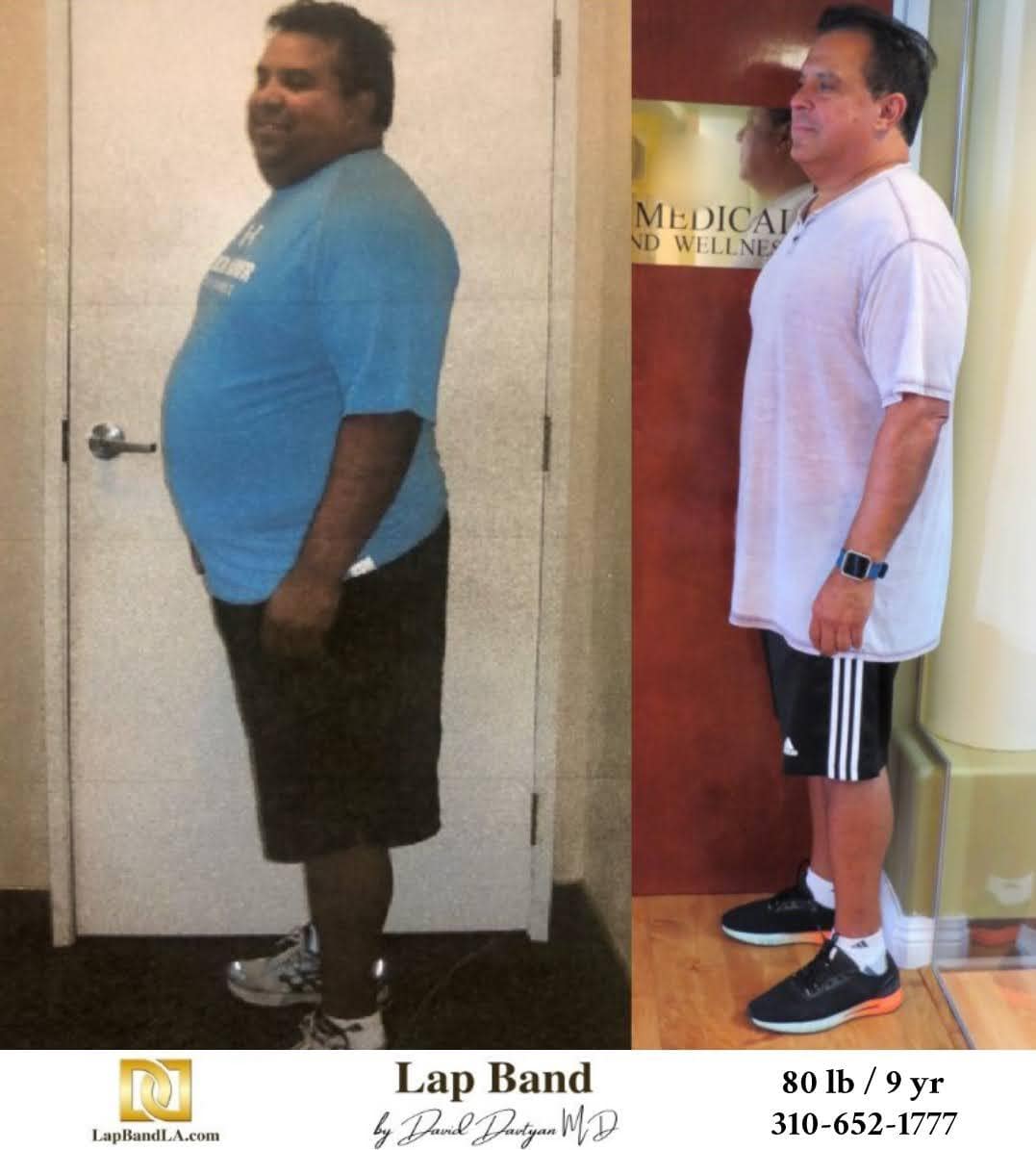
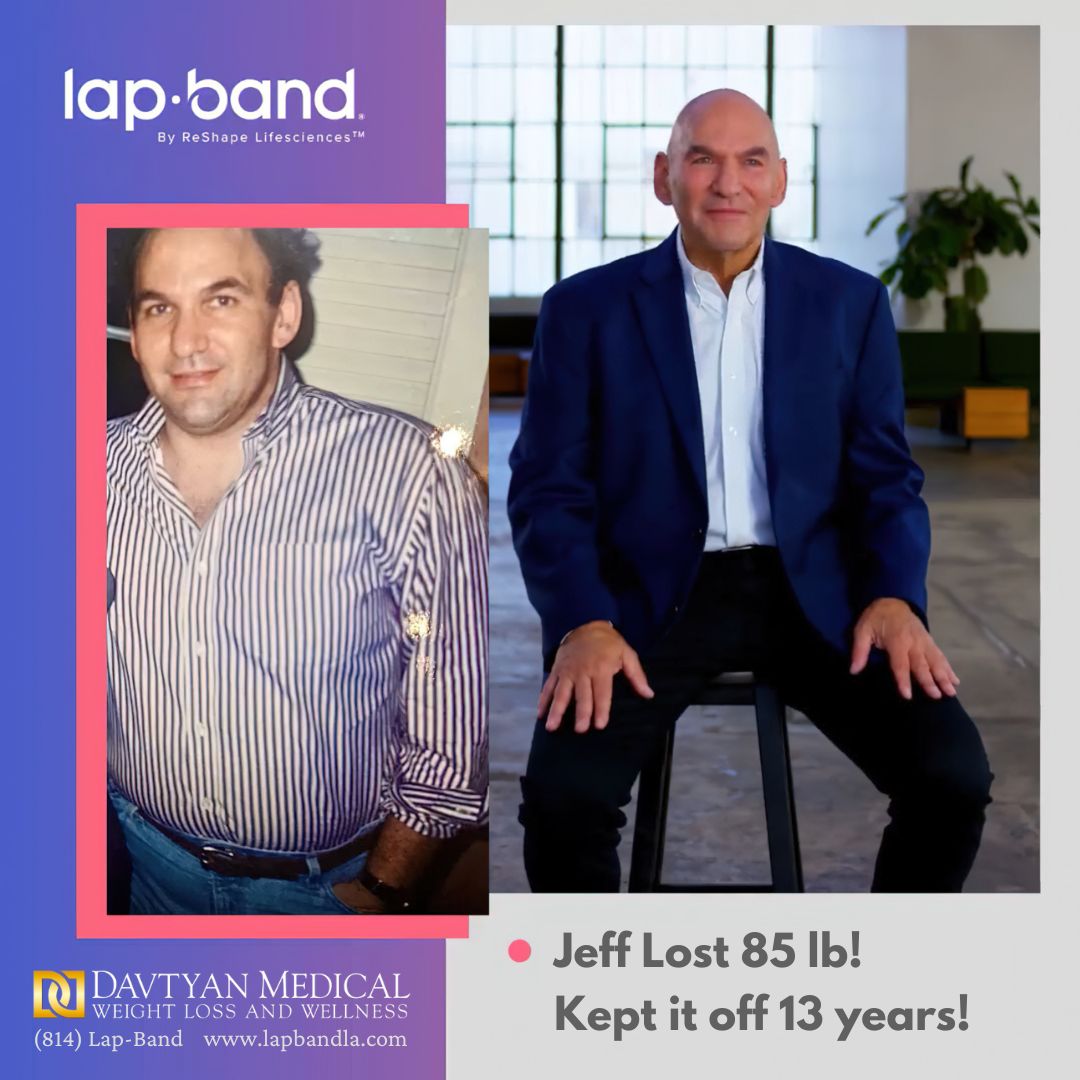
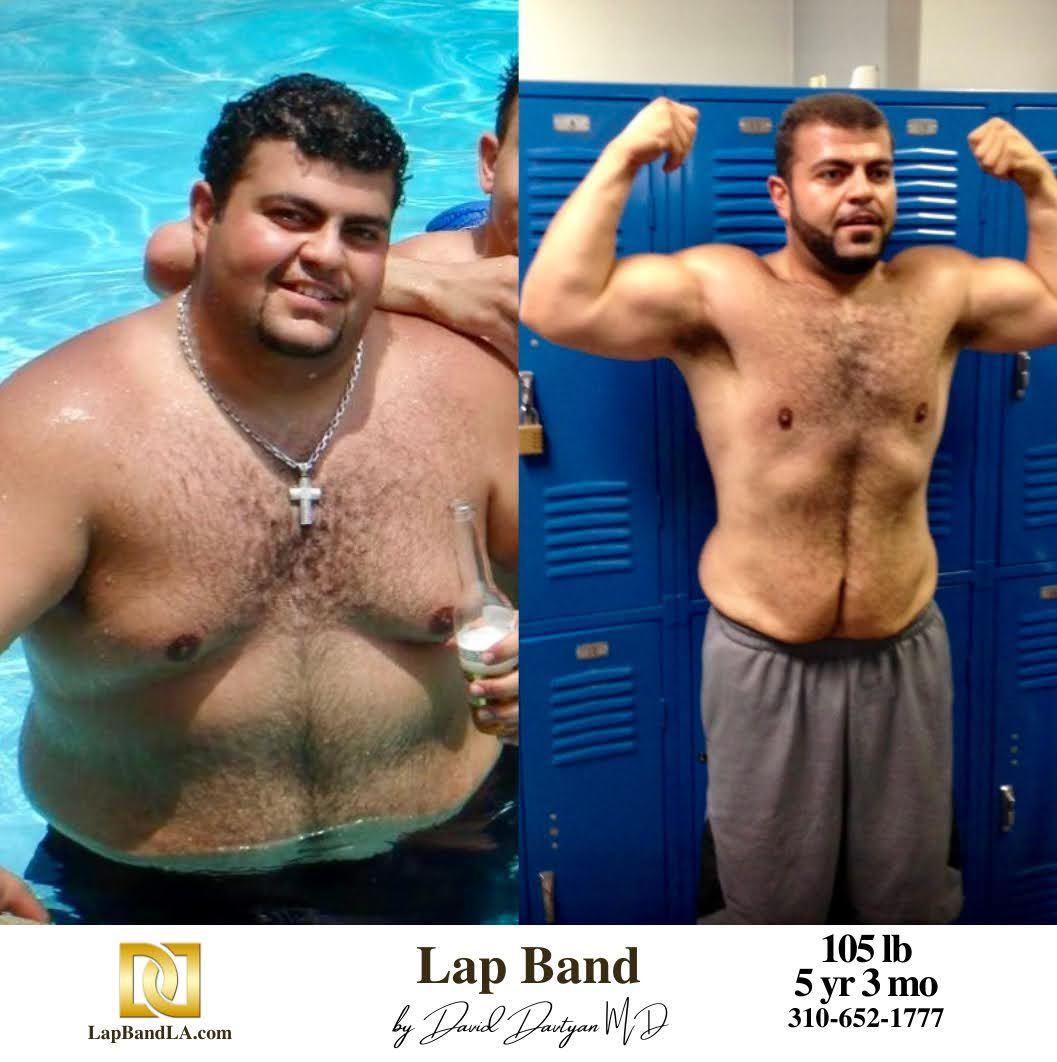
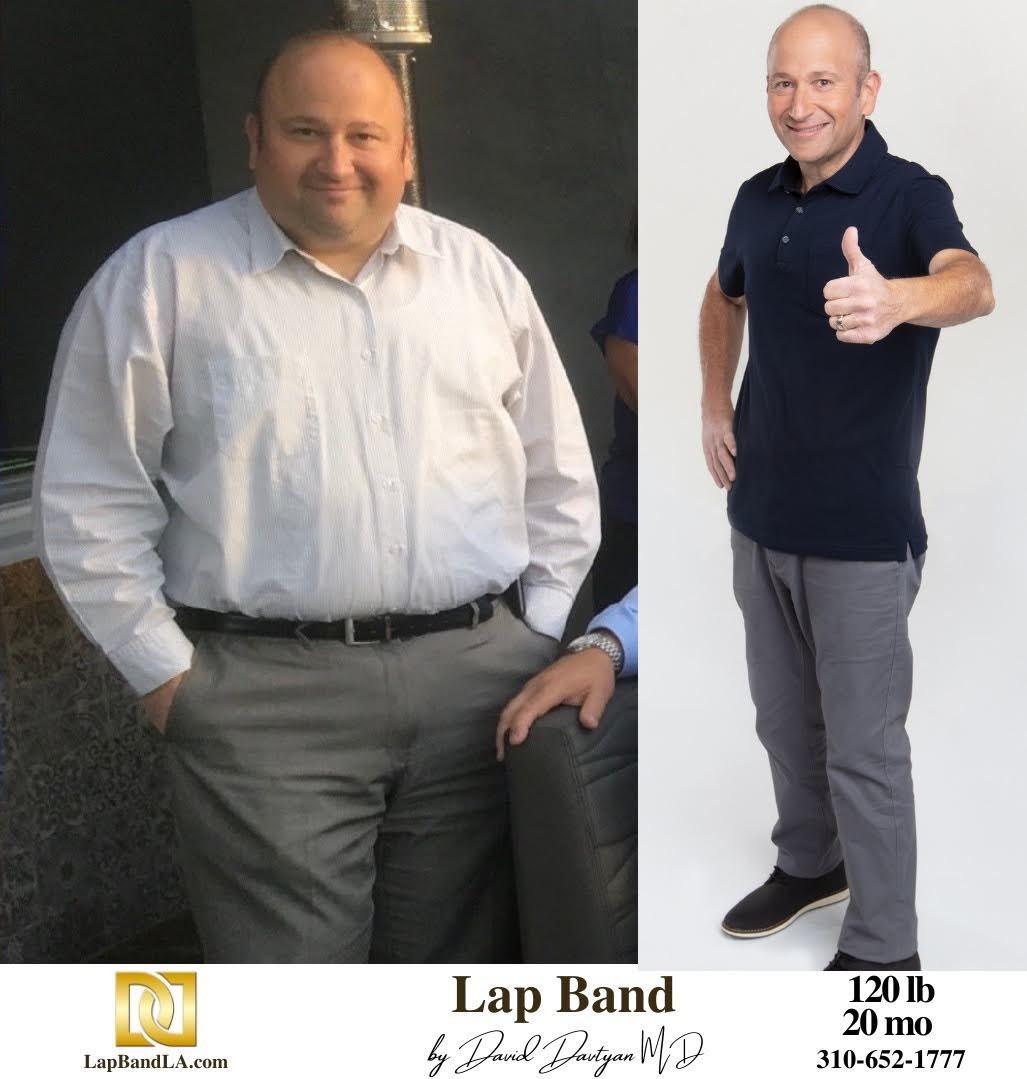
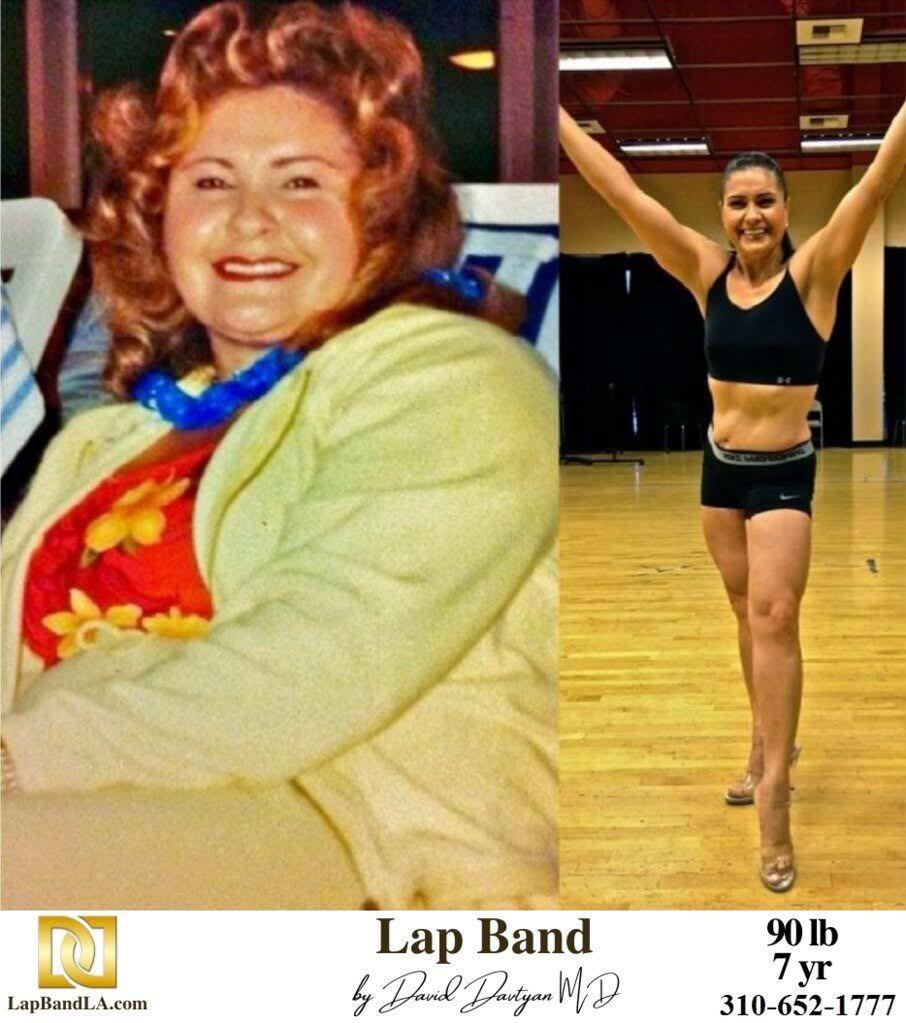
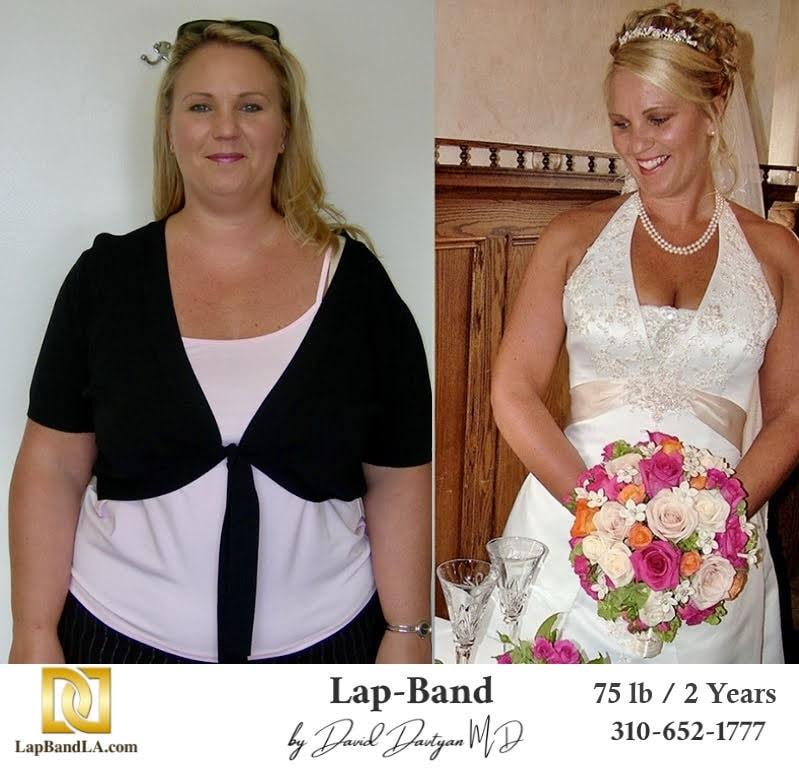
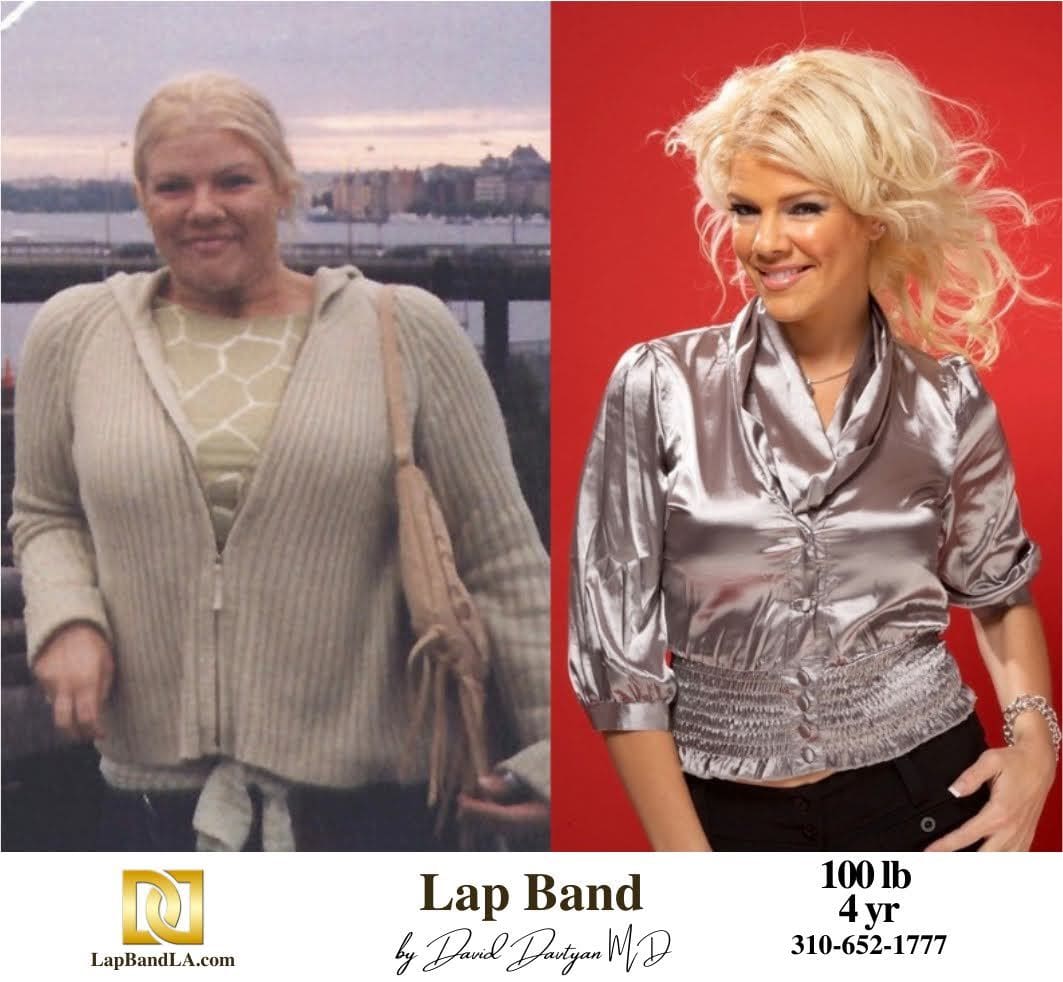
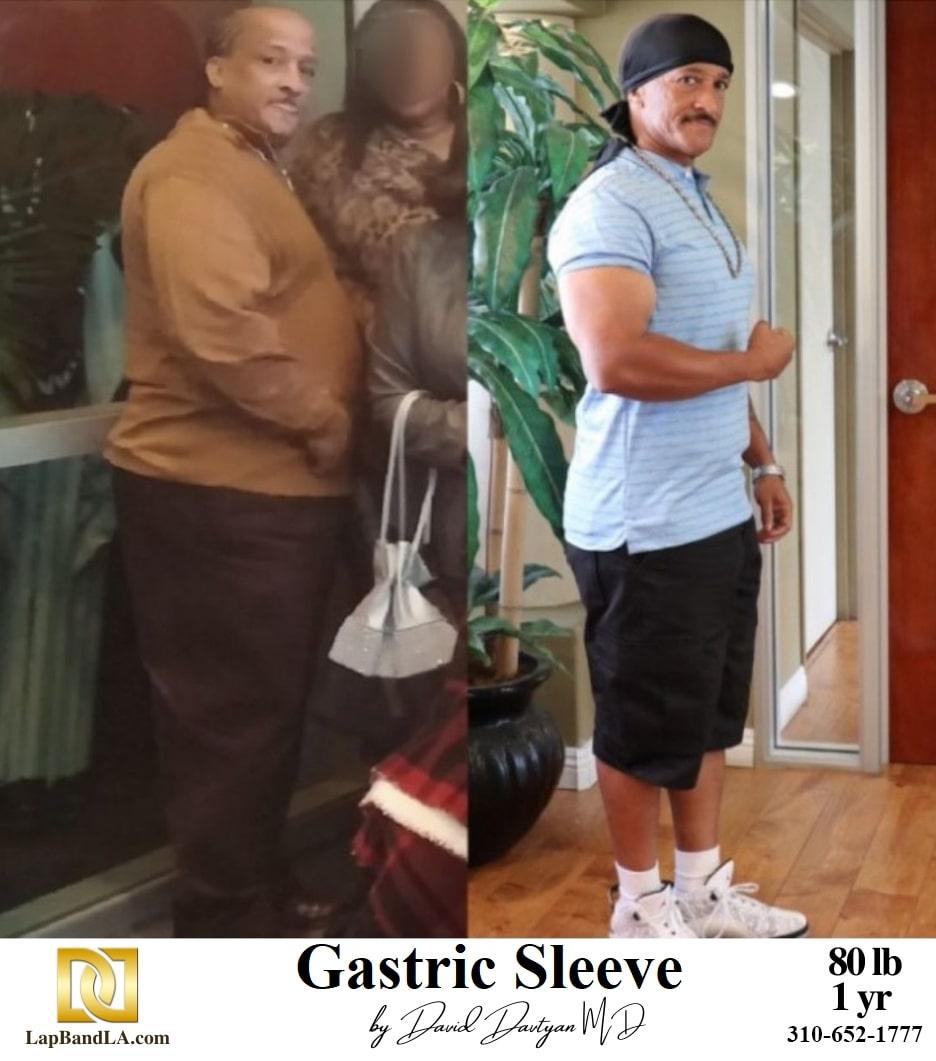
    Modern bariatric procedures such as gastric sleeve surgery, LAP-BAND, and gastric balloon treatment are intended to support long-term weight management alongside lifestyle changes and medical follow-up. The right option depends on factors such as BMI, obesity-related health conditions, previous weight-loss history, and overall treatment goals.

    When Weight-Loss Medication Alone Is No Longer Enough

    For some patients, medication can help initiate weight loss but becomes less effective over time. Others may lose a small amount of weight initially but struggle to maintain meaningful long-term progress despite continued treatment.

    This is especially common in patients dealing with:

    • long-term obesity
    • insulin resistance
    • metabolic adaptation after repeated dieting
    • hormonal conditions
    • severe appetite dysregulation
    • obesity-related sleep apnea
    • emotional eating patterns

    In these situations, continuing to increase medication doses does not always solve the underlying problem. Some patients eventually begin exploring medically supervised weight-loss programs or bariatric procedures such as gastric sleeve surgery, LAP-BAND, or gastric balloon treatment when medication-based approaches no longer provide sustainable results.

    Frequently Asked Questions About Weight-Loss Medications

    Why do weight-loss medications stop working?

    Some patients develop tolerance to appetite-suppressing effects over time, while others experience metabolic adaptation that slows weight loss despite continued treatment.

    Can you plateau on Topamax or phentermine?

    Yes. Some patients initially lose weight but later experience slower progress or complete plateaus even while continuing medication.

    Does this mean the medication failed?

    Not necessarily. Weight loss is influenced by metabolism, hormonal health, diet, sleep, stress, activity levels, and long-term obesity history.

    When should I consider bariatric surgery instead?

    Patients with obesity-related health conditions or long-term unsuccessful weight-loss attempts may eventually explore surgical options when medication and lifestyle changes are no longer producing sustainable results.

    Can bariatric surgery be combined with medical weight-loss treatment?

    In some cases, yes. Medical weight-loss treatment and bariatric surgery may be used together depending on the patient’s needs and long-term treatment goals.


    Exploring Additional Weight-Loss Options in Los Angeles

    If weight-loss medications are no longer producing the results you hoped for, it may be time to reevaluate your long-term treatment strategy. Dr. David Davtyan works with patients throughout Los Angeles, Beverly Hills, Glendale, and surrounding Southern California communities who are struggling with stalled weight loss, medication plateaus, or severe obesity that has not responded to traditional methods.

    Depending on your health history, BMI, and previous treatment experience, options may include medically supervised weight-loss programs, gastric balloon treatment, LAP-BAND surgery, gastric sleeve surgery, or combination treatment approaches.

    The goal is not simply faster weight loss, but a treatment plan that is realistic, medically appropriate, and sustainable long term.

    Speak to Dr. Davytan about your options today!


    Visit Dr. Davtyan in Los Angeles

    Visit Dr. Davtyan in Los Angeles to discuss whether bariatric surgery, Ozempic, or another weight-loss approach may be appropriate for your health goals. Consultations focus on medical history, weight-loss challenges, treatment expectations, and long-term sustainability rather than a one-size-fits-all recommendation.

    Dr. Davtyan and his team provide evaluations for patients considering gastric sleeve surgery, Lap-Band surgery, and medical weight-loss options. The goal is to help patients better understand the risks, benefits, costs, and long-term considerations of each treatment path before making a decision.

    lapband surgery glendale