
Comparing Cost, Weight Loss, and Metabolic Outcomes
When it comes to addressing obesity and its associated health challenges, both bariatric surgery and Ozempic have emerged as effective options. Each has its strengths, but they differ significantly in long-term cost, weight-loss outcomes, and metabolic improvements. Whether you’re considering Ozempic or bariatric surgery, understanding these factors can help you make an informed decision on your weight-loss journey. Additionally, experts like Dr. David Davtyan and his team are here to guide you through meeting bariatric surgery requirements and deciding on the best path for your unique needs.
Understanding Bariatric Surgery
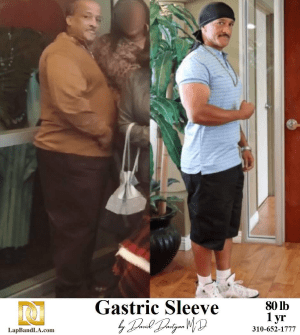
Bariatric surgery is a permanent solution for those struggling with severe obesity. It modifies your digestive system to reduce food intake or nutrient absorption, supporting substantial and sustained weight loss. Common procedures include gastric sleeve surgery, gastric bypass, and adjustable gastric banding.
Benefits of Bariatric Surgery
- Significant Weight Loss
Bariatric surgery typically results in more substantial weight loss compared to non-surgical options. Studies show many patients lose a large share of their excess weight within two years of the procedure, though results vary.
- Metabolic Improvements
Bariatric surgery often resolves or significantly improves comorbid conditions such as Type 2 diabetes, hypertension, and sleep apnea. For some individuals, remission of diabetes is achieved within days to weeks after surgery.
- Long-Term Results
With proper lifestyle changes, most patients maintain their weight loss for more than five years, making bariatric surgery one of the most effective long-term solutions available.




Risks and Considerations of Bariatric Surgery
Surgical intervention is not without its challenges. Some bariatric surgery risks include infection, blood clots, or nutrient deficiencies due to altered digestion. Additionally, surgery requires significant lifestyle adjustments and a commitment to lifelong medical follow-up.
Bariatric Surgery Requirements
To undergo this procedure, patients must meet specific criteria. These bariatric surgery requirements often include a BMI (Body Mass Index) of 40 or higher, or 35 and above with related health conditions like diabetes. Patients must also demonstrate an inability to achieve sustained weight loss through diet and exercise alone.
Dr. David Davtyan and his team excel in helping patients understand these requirements. By providing comprehensive evaluations and tailored medical advice, they ensure each patient is fully prepared for the life-changing decision to undergo surgery.
Understanding Ozempic for Weight Loss
Ozempic, a medication originally developed to regulate blood sugar levels in Type 2 diabetes patients, has recently gained popularity for its role in weight management. The active ingredient, semaglutide, works by influencing the brain’s appetite control centers and slowing stomach emptying, helping individuals feel fuller for longer.
Benefits of Ozempic for Weight Loss
- Non-Surgical Solution
Ozempic offers a less invasive way to manage weight without the recovery time or risks associated with surgery.
- Gradual Weight Loss
In the 68-week trial in the FDA label for Wegovy (semaglutide, the drug in Ozempic, at a higher dose), patients lost an average of about 15% of body weight, making it a viable option for moderate and steady results.
- Improved Metabolic Health
The medication not only promotes Ozempic weight loss but also supports blood sugar stabilization and reduced cholesterol levels.
Challenges of Ozempic
While Ozempic is effective, it is not a one-size-fits-all solution. Common side effects include nausea, diarrhea, and abdominal pain. More importantly, weight regain is common once medication use is discontinued, making Ozempic a long-term commitment for most patients. Its cost, especially without insurance coverage, can also be a significant drawback when compared to surgery.
Comparing Long-Term Cost
Bariatric Surgery Costs
The upfront expense of bariatric surgery can range from $15,000 to $25,000 in the U.S. However, most insurance plans cover this procedure if the patient meets specific requirements for bariatric surgery. Once the initial cost is addressed, the long-term expense is relatively low, especially when factoring in reduced medical costs for obesity-related conditions.
Ozempic Costs
The long-term cost of Ozempic can be equal to or exceed that of bariatric surgery. Although its monthly price varies, without insurance, the cost often surpasses $1,000 per month. Over time, the cumulative expense may outweigh that of surgery, making this route less viable for long-term financial savings.
Comparing Weight-Loss and Metabolic Outcomes
Bariatric Surgery
The weight-loss results from bariatric surgery are both significant and sustainable. With proper post-surgery care, many patients maintain their reduced weight for years. Additionally, the metabolic improvements often lead to enhanced overall health and a reduced need for medications.
Ozempic
While Ozempic promotes substantial weight loss for some, its results generally plateau at a more modest level than surgery. Furthermore, once the medication is stopped, most people begin to regain the lost weight, unless stringent lifestyle habits are maintained. While it offers metabolic benefits, these are contingent on ongoing use of the drug.
Who May Be a Better Candidate for Bariatric Surgery vs Ozempic?
People considering bariatric surgery are often looking for a more permanent weight-loss solution after years of unsuccessful dieting, exercise programs, or medication attempts. Surgery may be recommended for individuals with a higher BMI, obesity-related health conditions such as Type 2 diabetes or sleep apnea, or those seeking greater long-term weight reduction than medications alone typically provide. Procedures such as gastric sleeve surgery and Lap-Band surgery are often considered when obesity is significantly affecting daily health and quality of life.
Ozempic may be more appropriate for individuals who prefer a non-surgical approach, are not yet candidates for bariatric surgery, or want to begin treatment with a less invasive option. Some patients also use GLP-1 medications as part of a medically supervised weight-management plan before considering surgery later. The right choice depends on medical history, weight-loss goals, long-term commitment, insurance coverage, and how aggressively obesity-related conditions need to be addressed.
Choosing the Right Solution for Your Weight-Loss Journey
The choice between bariatric surgery and Ozempic depends on various factors such as medical history, personal preferences, and financial considerations. Bariatric surgery is ideal for those seeking a long-term, high-impact option with well-studied long-term benefits. Ozempic can be a fit for individuals seeking a non-invasive approach or who may not yet qualify for surgery.
No matter your starting point, Dr. David Davtyan and his experienced team are dedicated to helping you evaluate your options and determine which path aligns best with your health goals. They offer expert consultation for understanding bariatric surgery risks, preparing for surgery, or exploring alternative solutions like Ozempic.
Take the First Step with Dr. David Davtyan
If you’re ready to explore your options or need guidance on meeting requirements for bariatric surgery, Dr. Davtyan and his team are here to help. Their expertise and personalized care ensure you get the support you need to succeed in reclaiming your health and confidence.
Frequently Asked Questions About Bariatric Surgery vs Ozempic
Does bariatric surgery lead to more weight loss than Ozempic?
Bariatric surgery generally leads to greater total weight loss and longer-lasting results than GLP-1 medications alone. While Ozempic can help many patients lose a meaningful percentage of body weight, surgical procedures such as gastric sleeve surgery or gastric bypass typically produce larger reductions and may be more effective for severe obesity.
Can people regain weight after stopping Ozempic?
Yes. Many patients experience some degree of weight regain after discontinuing Ozempic if long-term lifestyle changes are not maintained. Because the medication works by helping regulate appetite and food intake, stopping treatment can make it more difficult to sustain reduced calorie consumption over time.
Who qualifies for bariatric surgery?
Bariatric surgery qualifications usually depend on BMI, obesity-related health conditions, and prior weight-loss history. Under the 2022 ASMBS/IFSO guidelines, surgery is recommended at a BMI of 35 or higher, and should be considered at a BMI of 30 to 34.9 when metabolic disease such as type 2 diabetes is present. A medical evaluation is necessary to determine eligibility and identify the safest treatment option.
Does insurance cover Ozempic or bariatric surgery?
Insurance coverage varies widely depending on the provider and the patient’s medical history. Many insurance plans cover bariatric surgery when medical necessity criteria are met. Coverage for Ozempic or other GLP-1 medications may depend on whether the medication is prescribed for diabetes management, obesity treatment, or both.


