
Given today’s fast-moving lifestyle and food options, many of us are struggling to find ways to keep our weight down and managing symptoms of overweight and obesity. This is especially true in Los Angeles, a city known for its health-focused lifestyle. Recently, more people starting using the popular weight loss drugs known as GLPs – like Ozempic and others – to lose weight. While in general GLPs do help patients to lose weight, studies have found that patients with obesity and type 2 diabetes can be better off with weight loss surgery.
As many new patients who try GLPs find to their surprise, the medications can cost upward of $1,000 per month and are rarely covered by insurance for purposes of weight loss. The massive cost advantages of gastric sleeve surgery compared to Ozempic are confirmed by a scientific study published in Annals of Surgery. The study highlights the financial advantages of surgical intervention, specifically sleeve gastrectomy (also known as VSG), over the long-term use of GLP-1 agonists like Ozempic. Researchers looked at patients who were undergoing gastric sleeve surgery and compared their out-of-pocket costs to these those taking Ozempic. The study revealed that after just one year the cost of a gastric sleeve surgery was already roughly equal to the costs of taking Ozempic —and by two years, the gastric sleeve operation emerges as the more economical choice. The results are compelling:
- Year 1 Costs: Patients spent an average of $2,267 on SG versus $2,131 for Ozempic – already almost the same amount.
- Year 2 Costs: SG patients saw their costs drop to $1,155, while Ozempic patients continued to spend $2,084 annually.
The findings underscore a striking contrast: after just 2 years, Gastric sleeve patients save money compared to those on Ozempic! While Ozempic and other semaglitudes require ongoing and costly refills, a gastric sleeve procedure offers a one-time investment with significantly reduced costs after the initial year.

A Gastric Balloon operation is less expensive than Ozempic


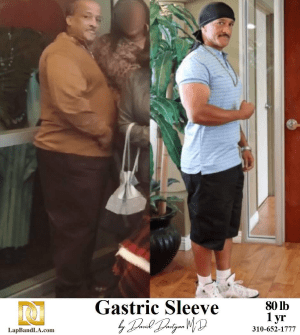


Why Choose Sleeve Gastrectomy?
Beyond just long-term financial costs, the gastric sleeve offers significant advantages over weight loss drugs:
- Lasting Results: The gastric sleeve is highly effective at promoting weight loss and improving glycemic control. Most patients experience substantial weight loss within the first year, which contributes to better diabetes management and reduces the need for medications.
- Better Insurance Coverage: While health insurances frequently cover the costs weight-loss surgery when they consider it “medically necessary,” GLP medications are often not covered for weight loss.
- One-Time Intervention: Unlike medications requiring lifelong adherence, the gastric sleeve provides a permanent solution. This reduces the burden of ongoing prescriptions, medical appointments, and potential medication side effects.
Weight loss patients should therefore carefully consider the costs and benefits of their weight loss options, including the results they want to achieve and their finances.
Ultimately, many patients find the gastric sleeve offers them lasting solution that leads to improved health, fewer medications, and a lighter financial load—year after year.
Long-Term Differences: Gastric Sleeve vs GLP-1 Medications
One of the biggest differences between gastric sleeve surgery and Ozempic is how each approach fits into long-term weight management.
Ozempic and similar GLP-1 medications typically require ongoing use to maintain their effects. Many patients experience renewed appetite increases or partial weight regain after stopping the medication. In addition, long-term monthly medication costs can continue indefinitely depending on insurance coverage and treatment plans.
Gastric sleeve surgery, on the other hand, is designed to create permanent anatomical changes that help patients reduce portion sizes and improve long-term appetite regulation. While surgery still requires lifestyle changes and ongoing commitment, many patients prefer the idea of a one-time procedure rather than depending on long-term medication management.
The right option depends on factors including medical history, weight loss goals, BMI, existing health conditions, lifestyle preferences, and physician recommendations.
Gastric Sleeve Surgery vs GLP-1 Medications
Ozempic is one of several GLP-1 medications now used to help patients lose weight. Other medications in this category include Wegovy, Mounjaro, and Zepbound. While these medications can help reduce appetite and support weight loss, they work differently than bariatric surgery.
GLP-1 medications rely on ongoing treatment to maintain their effects. Most patients continue taking the medication long term, and weight regain can occur after treatment is stopped. Gastric sleeve surgery creates a permanent change to the stomach that helps reduce food intake and alter hunger-related hormones.
For some patients, medical weight loss medications may be an appropriate first step. Others may benefit from bariatric surgery because they are looking for greater long-term weight loss, improvement in obesity-related health conditions, or an alternative to lifelong medication management. The right approach depends on a patient’s BMI, medical history, previous weight loss attempts, and long-term health goals.
Weight Loss Surgery vs Ozempic: Key Differences
Treatment Method
Ozempic and other GLP-1 medications help regulate appetite through medication. Gastric sleeve surgery physically reduces the size of the stomach and changes hormone signals involved in hunger and satiety.
Long-Term Commitment
GLP-1 medications often require ongoing prescriptions and regular follow-up care. Gastric sleeve surgery is a one-time procedure, although long-term lifestyle changes remain essential for success.
Weight Loss Results
Results vary from person to person, but bariatric surgery generally produces greater average long-term weight loss than medication alone, particularly for patients with severe obesity.
Health Improvements
Both approaches may help improve obesity-related conditions. For some patients, surgery can lead to substantial improvements in conditions such as type 2 diabetes, high blood pressure, and sleep apnea.
Is Surgery Better Than Ozempic for Weight Loss?
There is no single answer that applies to everyone. Some patients achieve meaningful results with medication alone, while others find that surgery provides a more effective long-term solution. During a consultation, Dr. Davtyan evaluates each patient’s health history, weight loss goals, and treatment preferences to determine which approach may be the best fit.
FAQ: GASTRIC SLEEVE SURGERY VS OZEMPIC
Is gastric sleeve surgery more effective than Ozempic?
For many patients with obesity, gastric sleeve surgery may lead to greater long-term weight loss compared to GLP-1 medications alone. However, treatment outcomes vary depending on medical history, lifestyle habits, and long-term adherence.
Do people regain weight after stopping Ozempic?
Some patients experience increased appetite or weight regain after discontinuing Ozempic or similar medications, especially if long-term eating and lifestyle habits have not changed.
Is Ozempic cheaper than gastric sleeve surgery?
While Ozempic may appear less expensive initially, long-term monthly medication costs can accumulate over time. Some studies suggest gastric sleeve surgery may become more cost-effective after several years.
Who is a candidate for gastric sleeve surgery?
Candidates are typically individuals with obesity or weight-related health conditions who have struggled to achieve sustainable weight loss through diet and exercise alone.
Is gastric sleeve surgery more effective than GLP-1 medications?
For many patients with obesity, gastric sleeve surgery produces greater average long-term weight loss than medication alone. However, treatment outcomes vary based on starting weight, medical history, lifestyle habits, and long-term adherence. A consultation can help determine which option may be most appropriate.
Can I try Ozempic or Wegovy before considering bariatric surgery?
Many patients explore medical weight loss medications before considering surgery. If medications do not provide the desired results or long-term weight management remains difficult, bariatric surgery may be an option worth discussing with an experienced weight loss surgeon.


