
Considering bariatric surgery usually comes with a lot of questions about safety, recovery, weight loss, and whether surgery is even the right option to begin with. Below are some of the most common questions patients ask when exploring weight loss surgery at Davtyan Medical Weight Loss And Wellness.




1. What Is Bariatric Surgery?
Bariatric surgery refers to several procedures that help patients lose weight by reducing stomach capacity, changing digestion, or affecting hunger hormones that influence appetite and fullness. These procedures are typically considered when weight has become difficult to manage through diet, exercise, or medications alone. Common bariatric procedures include gastric sleeve surgery, Lap-Band surgery, and gastric bypass surgery.
2. What Is the Safest Form of Weight Loss Surgery?
The safest weight loss procedure depends on a patient’s health history, BMI, and long-term goals. For some patients, Lap-Band surgery may be considered a lower-risk option because it is adjustable and less invasive than procedures that permanently remove part of the stomach. However, there is no single procedure that is “best” for everyone, which is why a full consultation and medical evaluation are important before making a decision.
3. What Is the Success Rate for Bariatric Surgery?
Bariatric surgery has helped many patients achieve substantial long-term weight loss and improve obesity-related conditions such as sleep apnea, high blood pressure, and type 2 diabetes. Results vary depending on the procedure, starting weight, and long-term lifestyle changes after surgery. Surgery can create meaningful long-term changes, but ongoing nutrition habits, follow-up care, and physical activity still play an important role in maintaining results.
4. How Do I Qualify for Bariatric Surgery?
Most patients qualify for bariatric surgery based on BMI and obesity-related health conditions. In general, patients may qualify with a BMI of 35 or higher, or a BMI of 30 to 34.9 with conditions such as diabetes, sleep apnea, high blood pressure, or joint problems related to weight. A consultation with a bariatric surgeon is needed to determine whether surgery is medically appropriate for your situation.
5. Why Choose Dr. Davtyan?
Dr. Davtyan has more than 30 years of surgical experience and has helped thousands of patients through their weight loss journey. His approach focuses on realistic expectations, individualized treatment planning, and long-term patient support before and after surgery. Many patients seek treatment at Davtyan Medical Weight Loss And Wellness because they want guidance that feels both medically experienced and personally supportive throughout the process.
6. How Long Is Recovery After Bariatric Surgery?
Recovery time depends on the procedure performed and a patient’s overall health. Many patients are able to return to light daily activities within one to two weeks, although full recovery may take longer depending on the surgery and healing process. Patients also follow gradual dietary stages after surgery while the body adjusts.
7. How Much Weight Can You Lose After Bariatric Surgery?
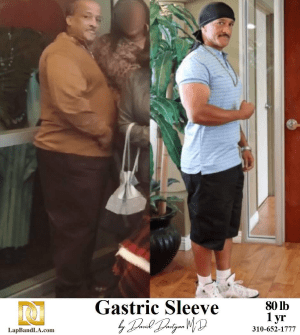
Weight loss varies based on the procedure, starting weight, metabolism, and long-term lifestyle habits after surgery. Many patients lose a significant percentage of their excess weight during the first year following bariatric surgery. Long-term success is usually strongest when surgery is combined with consistent nutrition habits, follow-up care, and sustainable lifestyle changes.
8. Does Insurance Cover Bariatric Surgery?
Some insurance plans may cover bariatric surgery if certain medical requirements are met. Coverage often depends on BMI, obesity-related health conditions, previous weight loss attempts, and the specific insurance policy. During the consultation process, the office can help patients better understand insurance requirements and available financing options.
9. What Foods Can You Eat After Bariatric Surgery?
Patients typically follow a staged diet after bariatric surgery that progresses from liquids to soft foods and eventually solid meals. Portion sizes become much smaller, and protein intake usually becomes a major focus during recovery and long-term weight management. Dietary recommendations may vary depending on the procedure and how a patient is healing.
10. Is Bariatric Surgery Permanent?
Some bariatric procedures permanently change the stomach, while others are adjustable or reversible. Even with surgery, long-term results still depend heavily on nutrition habits, follow-up care, and maintaining lifestyle changes over time. During your consultation, your surgeon can explain which procedures are reversible and which create permanent anatomical changes.
11. What Are the Benefits of Bariatric Surgery Besides Weight Loss?
In addition to weight loss, bariatric surgery may help improve conditions related to obesity, including sleep apnea, type 2 diabetes, joint pain, high blood pressure, and mobility limitations. Many patients also notice improvements in energy levels, physical comfort, and daily quality of life after losing weight and reducing strain on the body.
12. Can Weight Gain Happen After Bariatric Surgery?
Weight regain can happen after bariatric surgery, especially if long-term eating habits and follow-up care are not maintained. Surgery is designed to be a powerful medical tool for weight loss, but it does not completely remove the challenges that contribute to weight gain over time. Ongoing support, nutrition guidance, and consistent lifestyle habits remain important years after surgery.


