
recovery
Gastric Sleeve Surgery Recovery: What to Expect After Sleeve Gastrectomy
Recovering from surgery is an important stage of the weight loss journey. Understanding gastric sleeve surgery recovery helps patients prepare for healing, adjust to new eating habits, and achieve long-term success after sleeve gastrectomy.
At our Los Angeles practice, Dr. David Davtyan, MD, FACS, FICS, closely monitors patients throughout their recovery process to ensure safe healing and optimal weight loss outcomes. Dr. Davtyan is board certified by the American Board of Surgery and the American Board of Obesity Medicine, and has extensive experience performing minimally invasive bariatric procedures designed to reduce complications and shorten recovery time.
Dr. Davtyan completed his medical training at the UCLA School of Medicine and received advanced surgical training at internationally recognized institutions including M.D. Anderson Cancer Center and the John Wayne Cancer Institute. His experience in complex surgery and metabolic disease treatment helps ensure patients receive expert guidance during every stage of recovery.
While recovery timelines vary between individuals, most patients begin feeling significantly better within a few weeks and gradually return to normal activities.
Patients exploring surgical weight loss may also wish to learn more about bariatric surgery recovery and the complete gastric sleeve surgery process.
Gastric Sleeve Recovery Timeline
Recovery from sleeve gastrectomy typically occurs in stages. Understanding the gastric sleeve recovery timeline helps patients know what to expect during healing.
First Few Days After Surgery
Most patients remain in the hospital for one to two days after surgery so doctors can monitor their recovery.
During this time, patients typically begin:
- Walking shortly after surgery
• Drinking small amounts of liquids
• Managing mild discomfort with medication
Because the procedure is performed laparoscopically, recovery tends to be faster than with traditional open surgery.
Patients can also explore the broader risks of gastric sleeve surgery and how modern surgical techniques help reduce complications.
First Two Weeks
During the first two weeks, patients focus primarily on healing and adapting to a new diet.
Patients are usually advised to:
- Follow a liquid or pureed diet
• Stay well hydrated
• Avoid strenuous physical activity
• Take prescribed vitamins and medications
Understanding how to prepare for bariatric surgery before the procedure often makes this stage easier.
Weeks Three to Six
As healing progresses, patients gradually introduce soft foods and increase their activity levels.
During this stage, many patients are able to:
• Return to work
• Begin light exercise
• Eat small portions of solid food
Follow-up visits allow Dr. Davtyan to monitor recovery and ensure healing is progressing properly.
Diet After Gastric Sleeve Surgery
Nutrition plays a critical role in recovery after sleeve gastrectomy.
Patients typically follow a structured diet progression that includes:
- Clear liquids
• Full liquids
• Pureed foods
• Soft foods
• Balanced solid meals
Following these stages carefully helps prevent complications and supports long-term weight loss success.
Patients can learn more about the benefits of gastric sleeve surgery and how proper nutrition contributes to long-term results.
Physical Activity After Surgery
Light physical activity helps improve circulation and accelerate recovery.
Doctors typically recommend:
- Short walks beginning shortly after surgery
• Gradually increasing daily movement
• Avoiding heavy lifting for several weeks
Regular physical activity later becomes an important part of maintaining the long-term benefits of bariatric surgery.
Managing Common Post-Surgery Symptoms
Some patients experience temporary symptoms as the body adjusts to changes in digestion.
Common symptoms may include:
- Fatigue
• Mild nausea
• Temporary digestive discomfort
• Sensitivity to certain foods
These symptoms usually improve as the body adapts to smaller meals and new eating habits.
Understanding the potential risks of bariatric surgery can help patients recognize when symptoms are normal and when medical attention may be needed.
Long-Term Lifestyle After Gastric Sleeve Surgery
Recovery does not end once the surgical wounds heal. Long-term success requires commitment to healthy lifestyle habits.
Patients are encouraged to maintain:
• Balanced nutrition
• Regular exercise
• Routine medical checkups
• Daily vitamin supplementation
Weight Loss Results After Gastric Sleeve Surgery
Most patients begin losing weight within the first few weeks after surgery.
On average, patients lose 50–70% of excess body weight within 12–18 months.
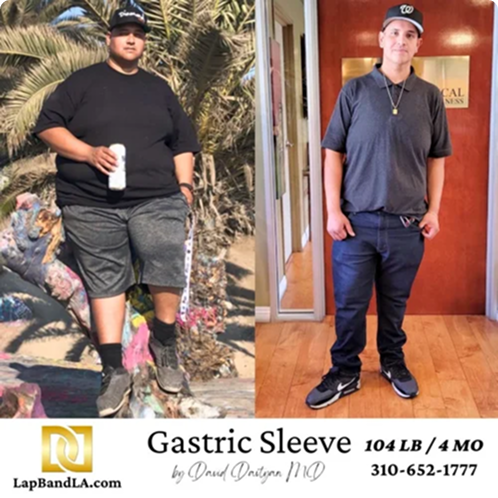
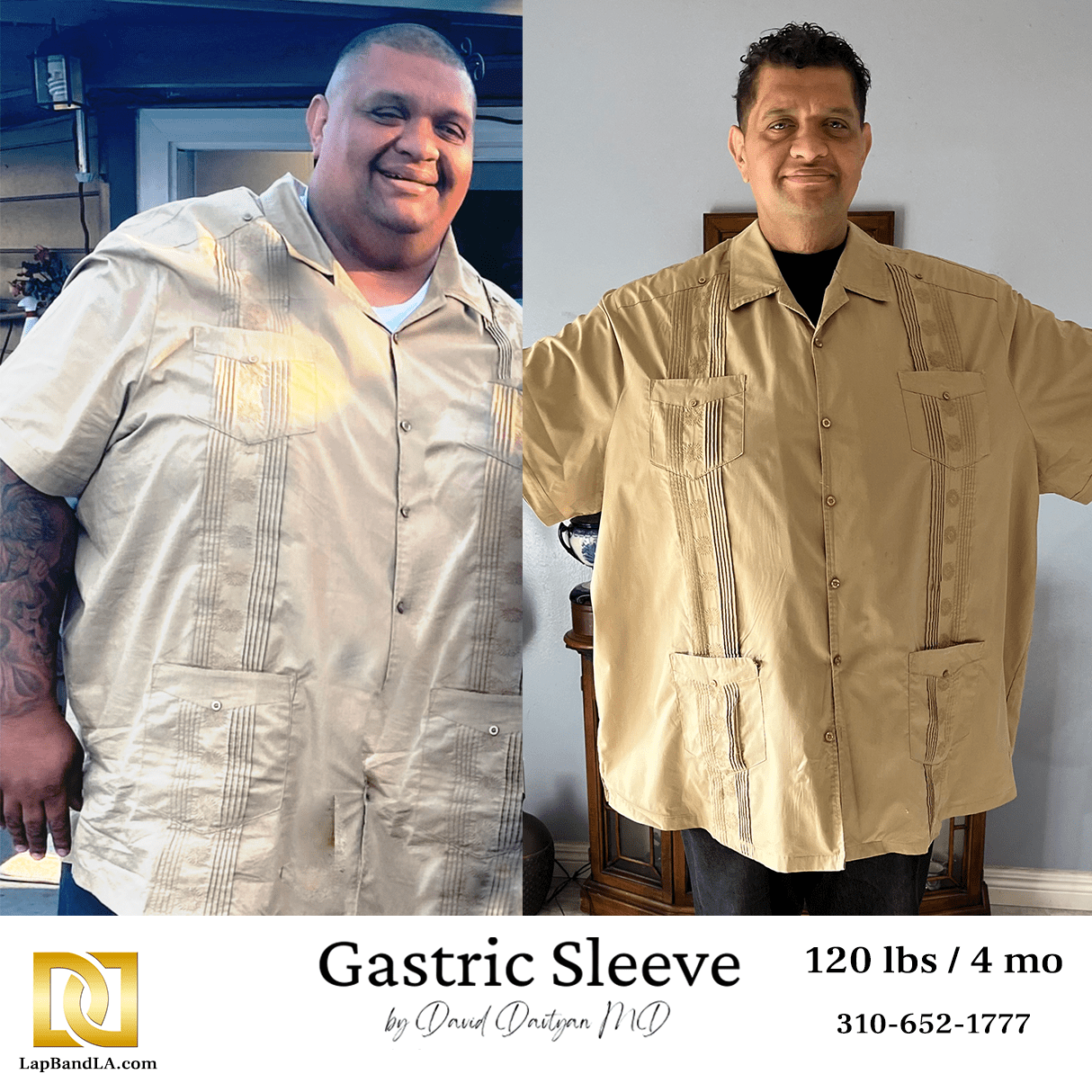
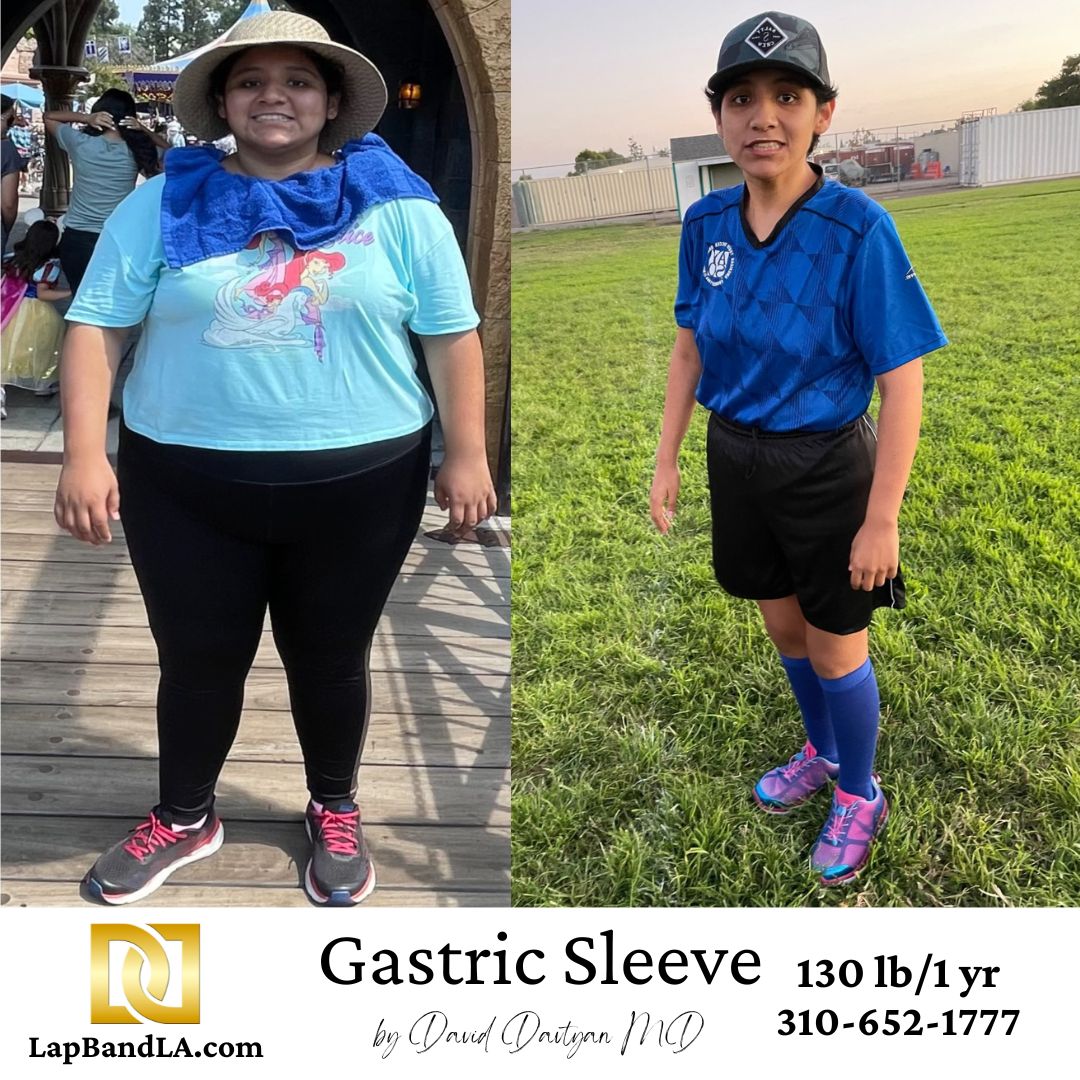
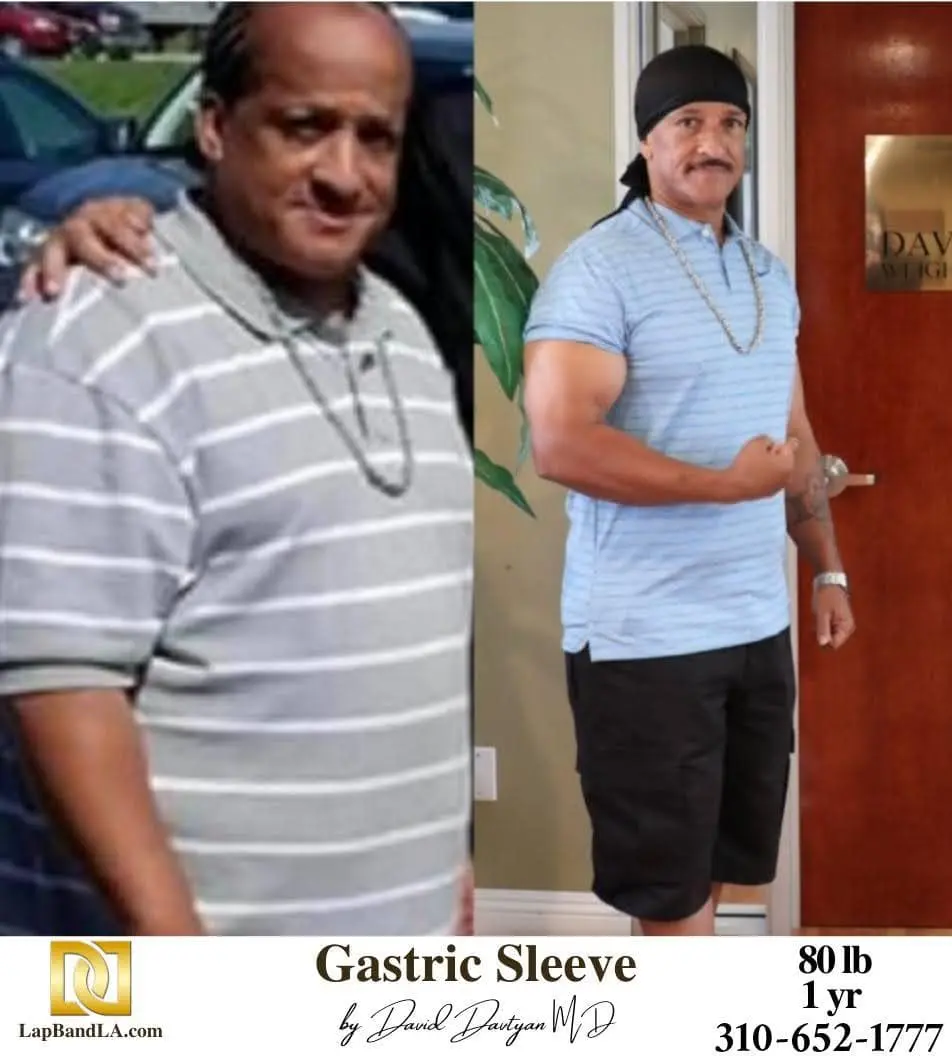
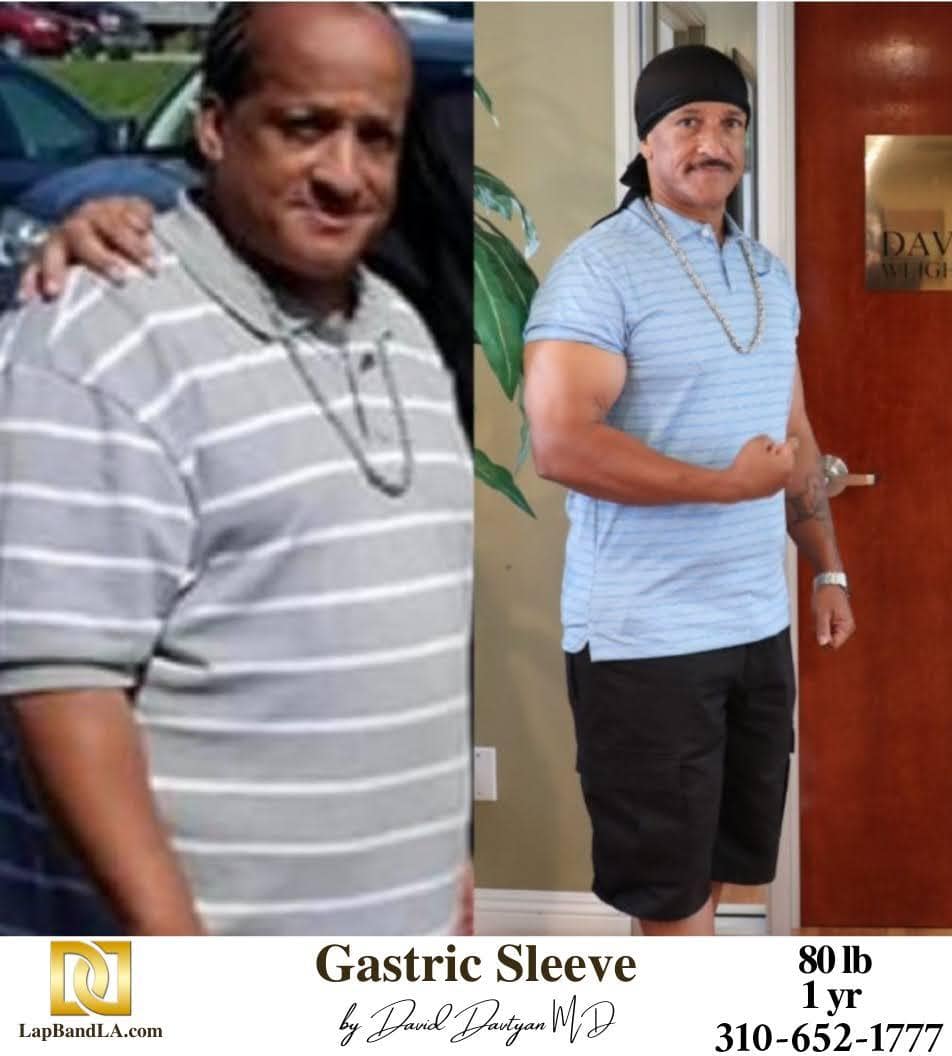
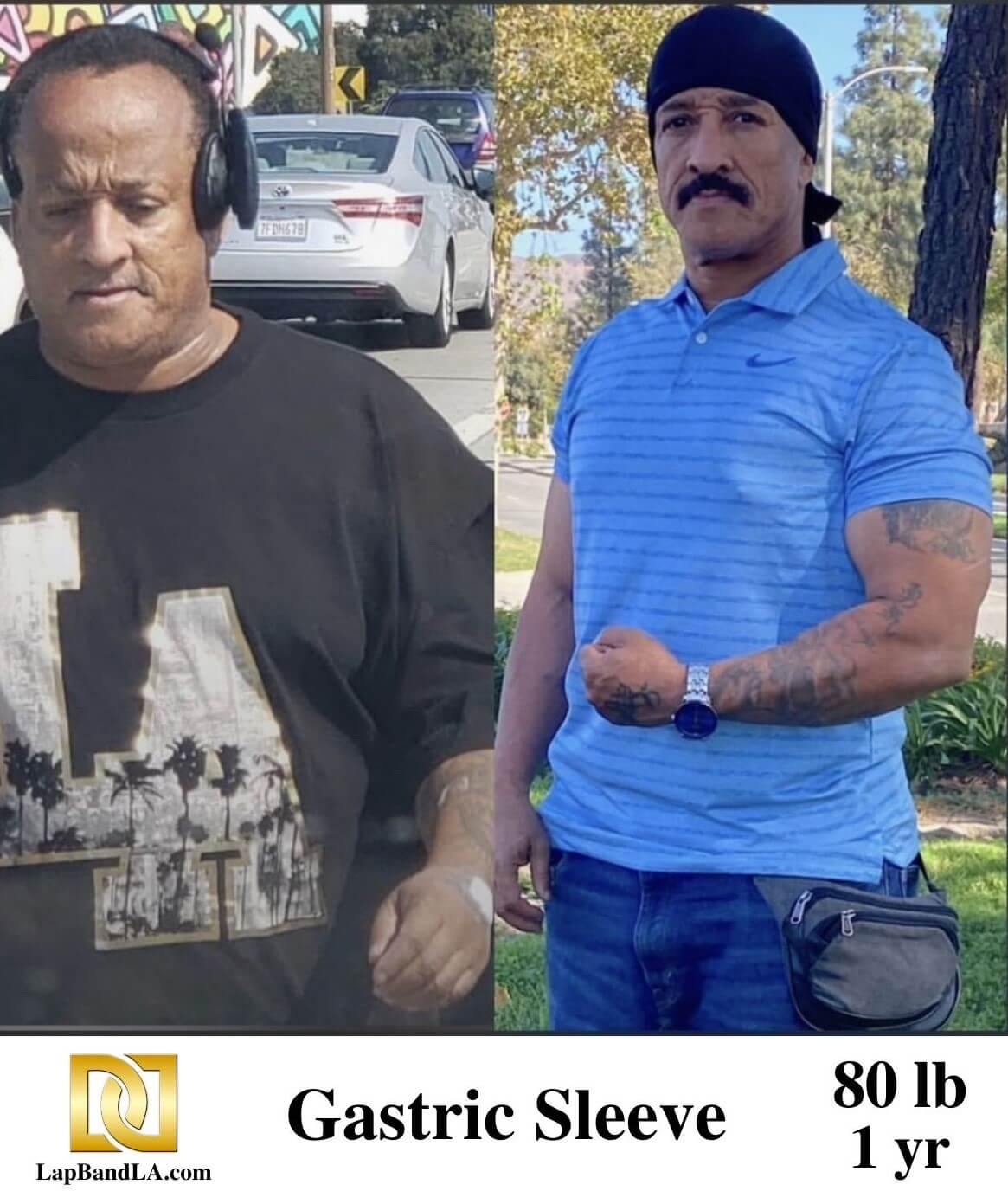
Patients can explore real gastric sleeve weight loss results and view bariatric surgery before and after results.
You can also read inspiring bariatric surgery success stories from individuals who have successfully transformed their health.
When to Contact Your Doctor
Although most recoveries progress smoothly, patients should contact their doctor if they experience:
- Severe abdominal pain
• Persistent vomiting
• Signs of infection
• Difficulty drinking fluids
Prompt medical attention helps address complications early and supports safe recovery.
Start Your Recovery With Expert Care
Understanding gastric sleeve surgery recovery helps patients prepare for life after surgery and achieve the best possible results.
A consultation with Dr. David Davtyan can help patients understand the recovery process and determine whether gastric sleeve surgery may be the right solution for their weight loss goals.