
recovery

Bariatric Surgery Recovery: What to Expect After Weight Loss Surgery

Recovering from surgery is an important stage of the weight loss journey. Understanding bariatric surgery recovery helps patients prepare for healing, adapt to new eating habits, and achieve long-term success after their procedure.

At our Los Angeles practice, Dr. David Davtyan, MD, FACS, FICS, closely monitors patients throughout their recovery process. Dr. Davtyan is board certified by the American Board of Surgery and the American Board of Obesity Medicine, and has extensive experience performing minimally invasive bariatric procedures that allow for faster healing and safer recovery.

Dr. Davtyan completed his medical training at the UCLA School of Medicine and received advanced surgical training at renowned institutions including M.D. Anderson Cancer Center and the John Wayne Cancer Institute. His expertise in complex surgical techniques and metabolic disease treatment helps ensure patients receive careful post-operative care and guidance.

While recovery timelines vary depending on the procedure performed, most patients begin to feel significantly better within a few weeks. With proper medical supervision and healthy lifestyle changes, patients can safely return to normal activities and begin experiencing the life-changing benefits of surgical weight loss.

Bariatric Surgery Recovery Timeline

Recovery after surgery typically occurs in stages. Understanding the general bariatric surgery recovery timeline helps patients know what to expect during the healing process.

First Few Days After Surgery

Most patients remain in the hospital for one to two days after surgery. During this time, the medical team monitors recovery and ensures patients can tolerate fluids.

Patients typically begin:

  • Walking shortly after surgery
    • Drinking small amounts of liquids
    • Managing mild discomfort with medication

Procedures such as gastric sleeve surgery and Lap-Band surgery are often performed using minimally invasive laparoscopic techniques, which helps shorten recovery time.

First Two Weeks

During the first two weeks after surgery, patients focus primarily on healing and adjusting to new dietary guidelines.

Patients are usually advised to:

• Follow a liquid or pureed diet
• Stay well hydrated
• Avoid strenuous physical activity
• Take prescribed vitamins and medications

Understanding how to prepare for bariatric surgery beforehand often makes this stage of recovery easier.

Weeks Three to Six

As healing progresses, patients gradually begin introducing soft foods and increasing physical activity.

During this stage, many patients are able to:

  • Return to work
    • Begin light exercise routines
    • Eat small portions of soft or solid foods

Follow-up visits allow Dr. Davtyan to monitor recovery and ensure that healing is progressing safely.

Dietary Changes After Bariatric Surgery

Nutrition plays a critical role in post-surgery recovery. Patients must follow structured dietary guidelines to protect the stomach and support healing.

Typical diet progression includes:

  • Clear liquids
    • Full liquids
    • Pureed foods
    • Soft foods
    • Balanced solid meals

Following these steps carefully helps prevent complications and supports long-term weight loss success.

Learning about the types of bariatric surgery can also help patients understand how different procedures affect digestion and dietary changes.

Physical Activity After Surgery

Light physical activity helps improve circulation, reduce complications, and support faster recovery.

Doctors generally recommend:

• Short walks shortly after surgery
• Gradually increasing daily movement
• Avoiding heavy lifting for several weeks

Regular exercise later becomes an important part of maintaining the long-term benefits of bariatric surgery.

Managing Common Post-Surgery Symptoms

Some patients experience temporary symptoms while the body adjusts to changes in digestion.

Common symptoms may include:

• Fatigue
• Mild nausea
• Temporary digestive discomfort
• Sensitivity to certain foods

These symptoms usually improve as the body heals and patients adapt to their new eating patterns.

Understanding the possible risks of bariatric surgery helps patients recognize which symptoms are normal and when to seek medical attention.

Long-Term Lifestyle After Bariatric Surgery

Recovery does not end once surgical healing is complete. Bariatric surgery requires lifelong commitment to healthy habits.

Patients are encouraged to maintain:

  • Balanced nutrition
    • Regular physical activity
    • Routine medical follow-ups
    • Daily vitamin supplementation

Patients who follow these guidelines often maintain their weight loss and experience lasting health improvements.

Before undergoing surgery, doctors ensure patients understand who qualifies for bariatric surgery and the long-term lifestyle changes required afterward.

Weight Loss Results After Surgery

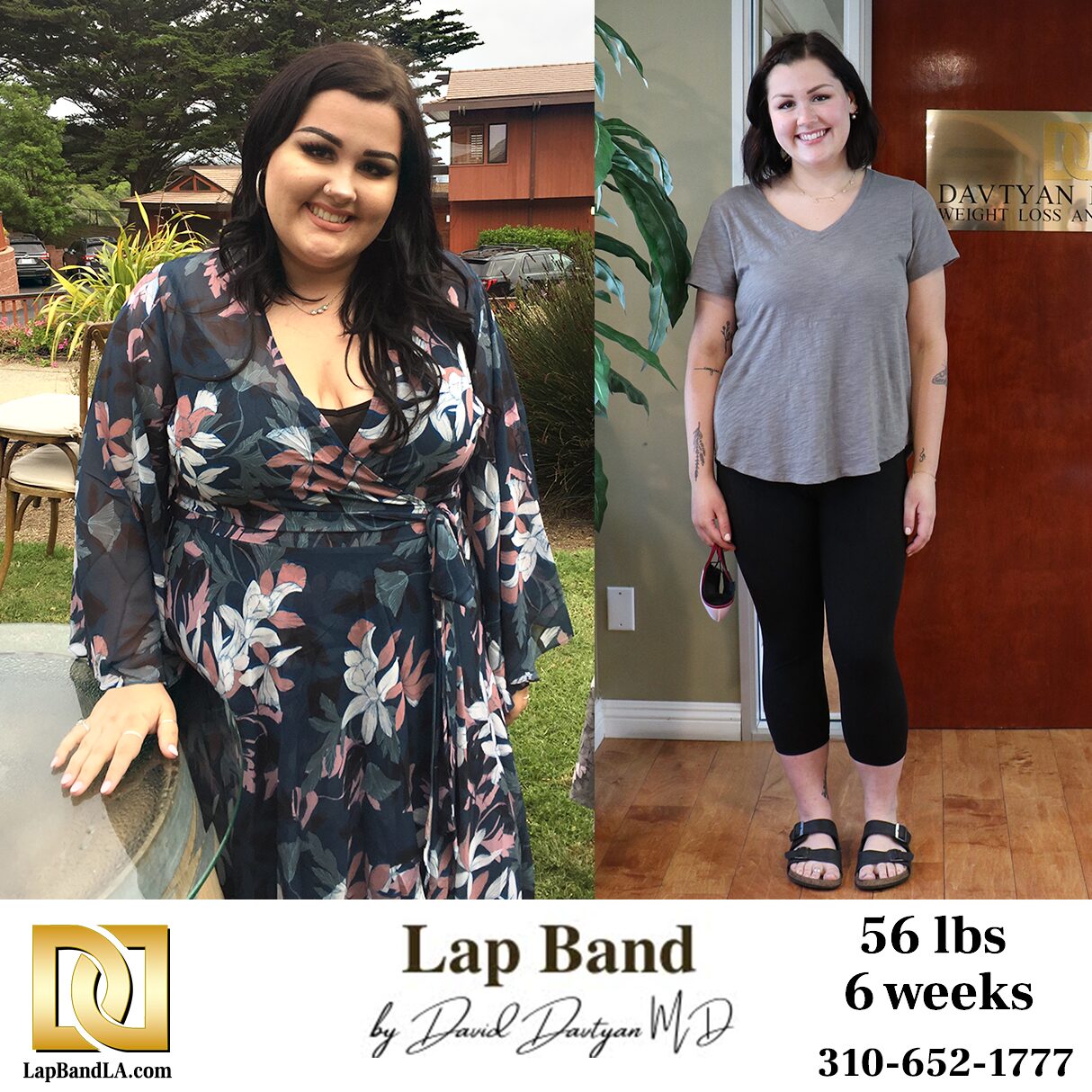
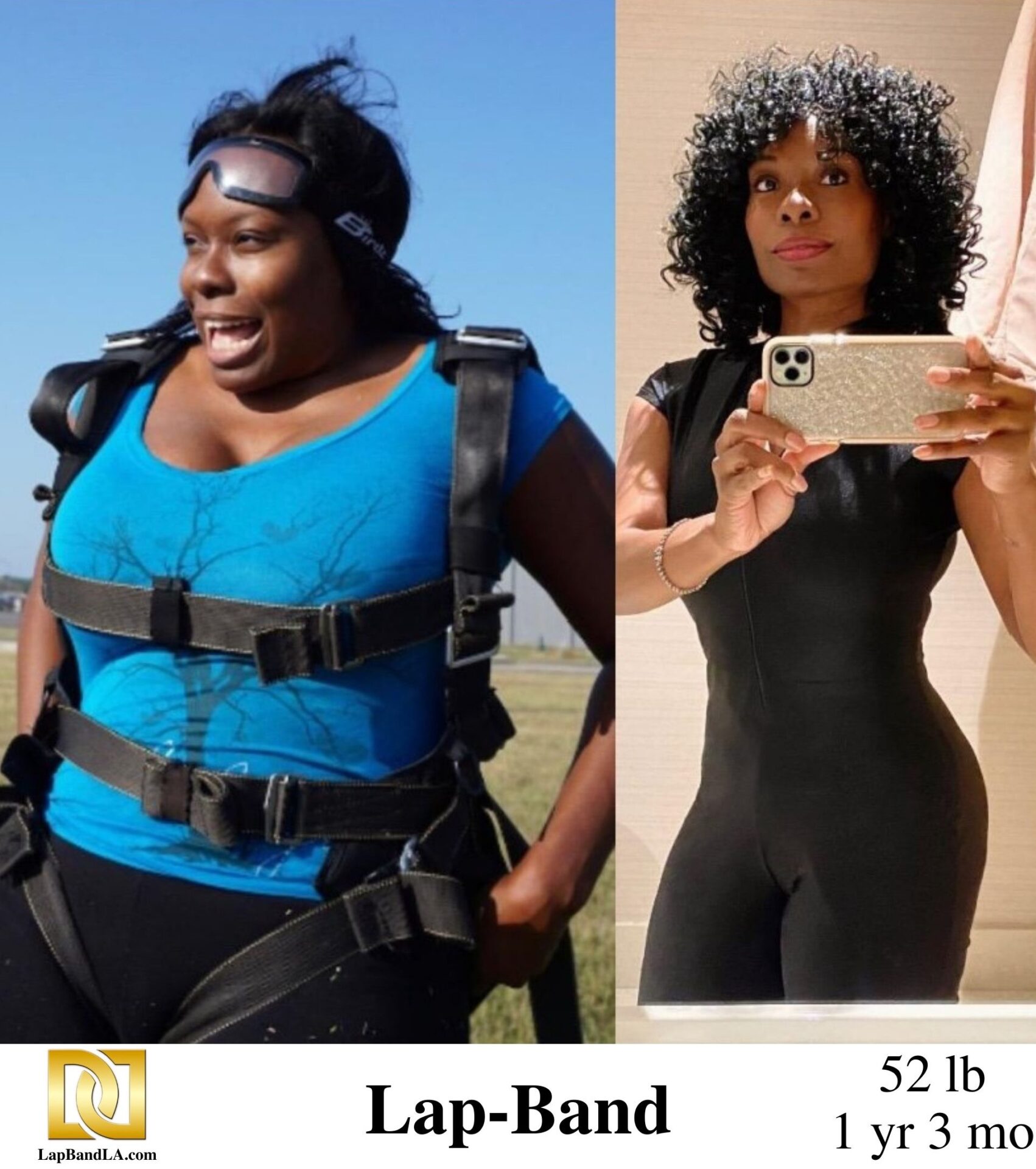
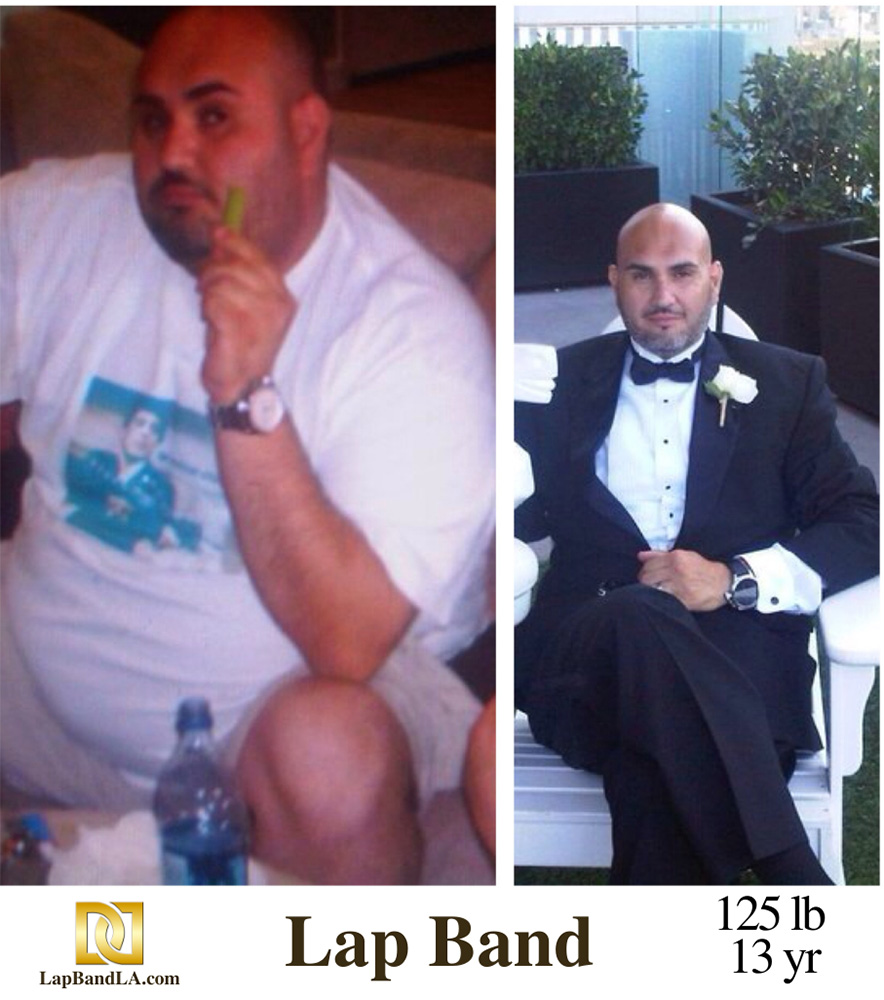
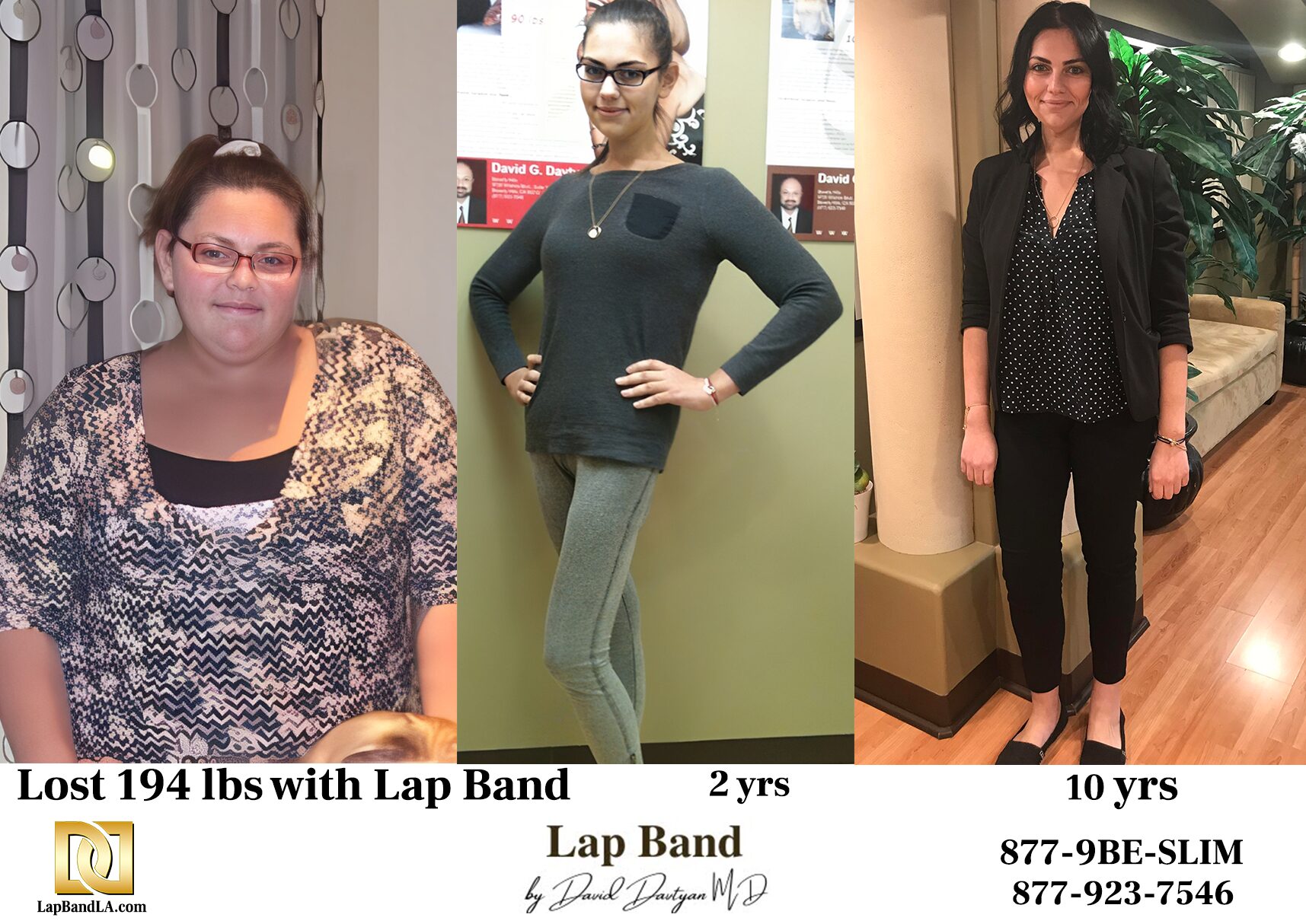
Many patients begin losing weight within the first few weeks after surgery. Over time, substantial improvements in health and quality of life often become noticeable.

Weight loss outcomes vary depending on the procedure performed.

Procedures such as gastric sleeve surgery and the gastric balloon procedure help patients control portion sizes and regulate appetite.

Patients can explore real bariatric surgery before and after results to see how others have transformed their health.

You can also read inspiring bariatric surgery success stories from individuals who achieved long-term weight loss.

When to Contact Your Doctor

While most recoveries progress smoothly, patients should contact their doctor if they experience:

  • Severe abdominal pain
    • Persistent vomiting
    • Signs of infection
    • Difficulty drinking fluids

Prompt medical attention helps address potential complications quickly and safely.

Life After Bariatric Surgery

Recovery marks the beginning of a new lifestyle focused on long-term health and wellness. With proper medical care and lifestyle changes, many patients achieve life-changing results.

By understanding bariatric surgery recovery, patients can prepare for the healing process and confidently move forward on their weight loss journey.

Consulting with an experienced surgeon like Dr. David Davtyan helps ensure safe recovery, effective weight loss, and long-term success.

Beverly Hills

map

436 North Bedford Dr. Suite 207Beverly Hills, CA 90210
Main: 310-652-1777
Toll Free: 877-9-BE-SLIM

Glendale

map

1141 N. Brand Blvd. #100Glendale, CA 91202
Main: 818-546-1500
Toll Free: 877-9-BE-SLIM

Rancho Cucamonga

map

8330 Red Oak Street, Suite 201Rancho Cucamonga, CA 91730
Main: 909-355-2525
Toll Free: 877-9-BE-SLIM

South Coast Lap-Band

map

10900 Warner Avenue, Suite 121Fountain Valley, CA 92708
Main: 714-777-7868
Toll Free: 877-9-BE-SLIM

Marina Del Rey Hospital

map

4650 Lincoln Blvd.,Marina Del Rey, CA 90292
Main: 310-652-1777
Toll Free: 877-9-BE-SLIM

Close

Schedule a FREE Discovery Call