

recovery
Lap-Band Surgery Recovery: What to Expect After Adjustable Gastric Band Surgery
Recovering from weight loss surgery is an important part of achieving successful long-term results. Understanding Lap-Band surgery recovery helps patients prepare for the healing process, adapt to new eating habits, and safely return to normal daily activities.
Because Lap-Band surgery is performed using minimally invasive laparoscopic techniques, recovery is generally faster than many other bariatric procedures. Most patients are able to return home the same day or after a short hospital stay and gradually resume normal activities within a few days.
At our practice, Dr. David Davtyan, MD, FACS, FICS, provides comprehensive post-operative care to support safe recovery and long-term weight loss success. Dr. Davtyan is board certified by the American Board of Surgery and the American Board of Obesity Medicine and has extensive experience in minimally invasive bariatric surgery.
Dr. Davtyan received his medical training at the UCLA School of Medicine and completed advanced surgical training at institutions including M.D. Anderson Cancer Center and the John Wayne Cancer Institute. His experience allows patients to recover safely while progressing toward sustainable weight loss.
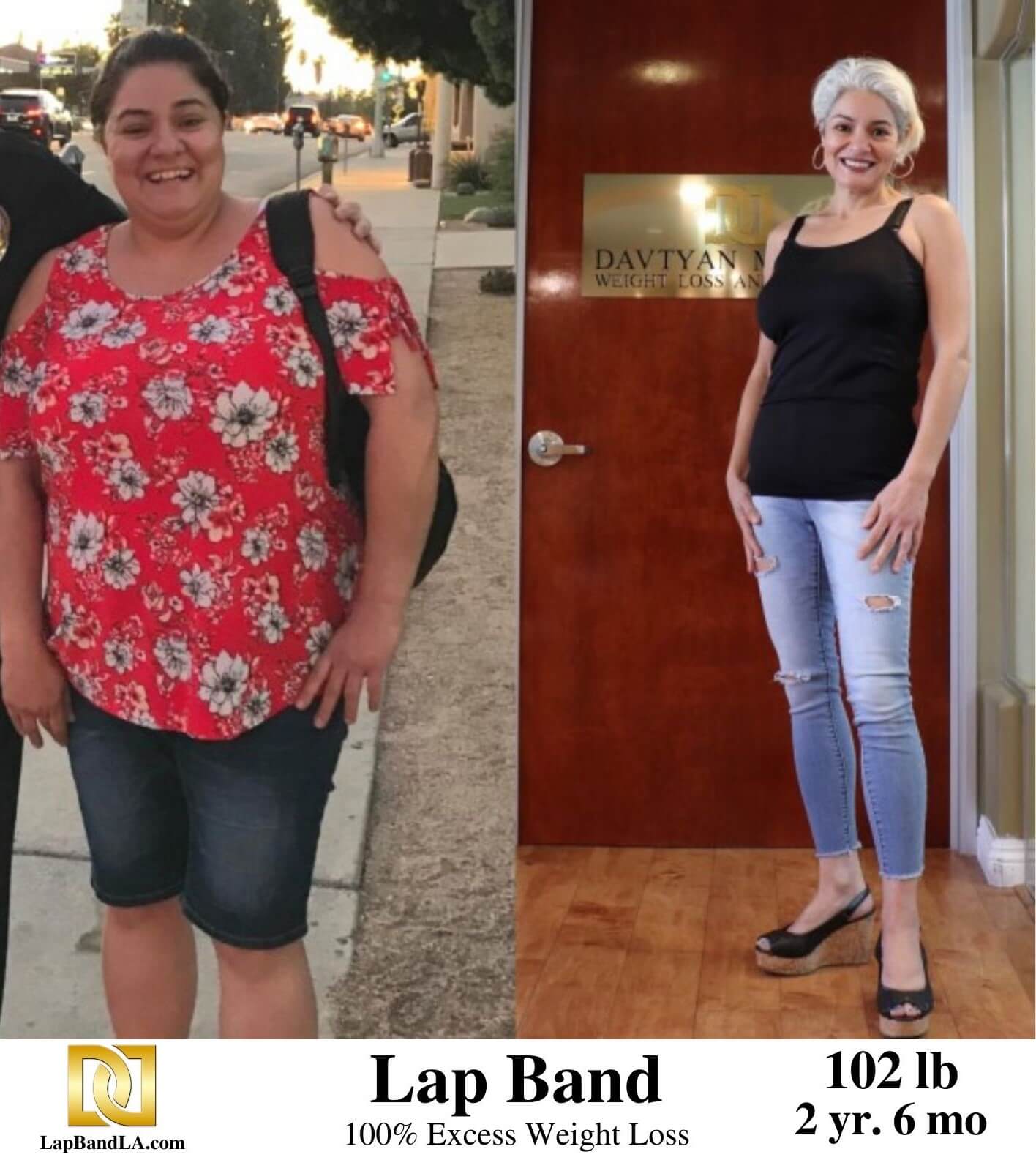
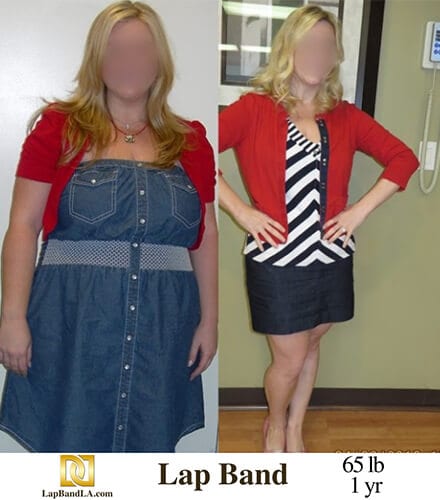
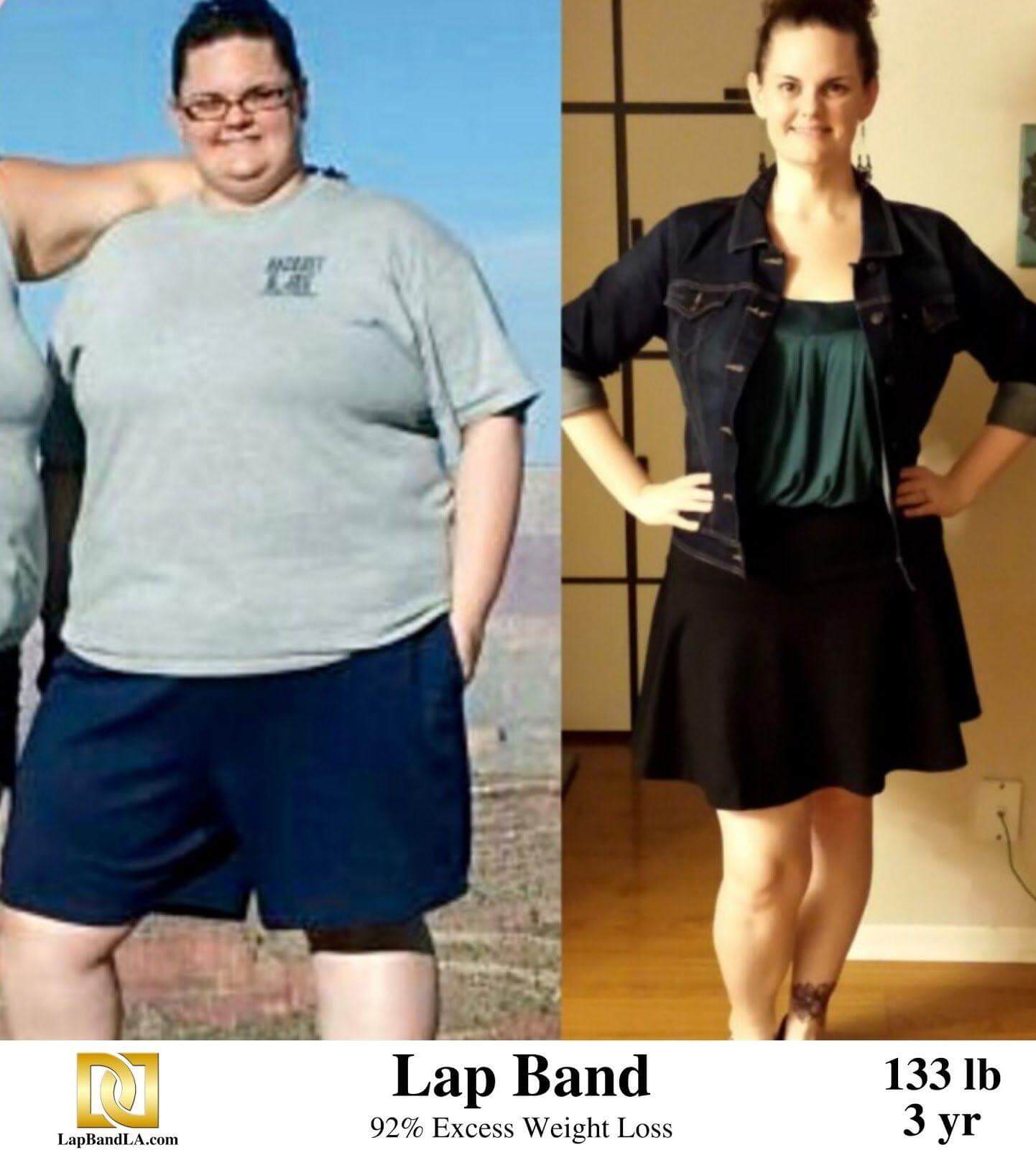
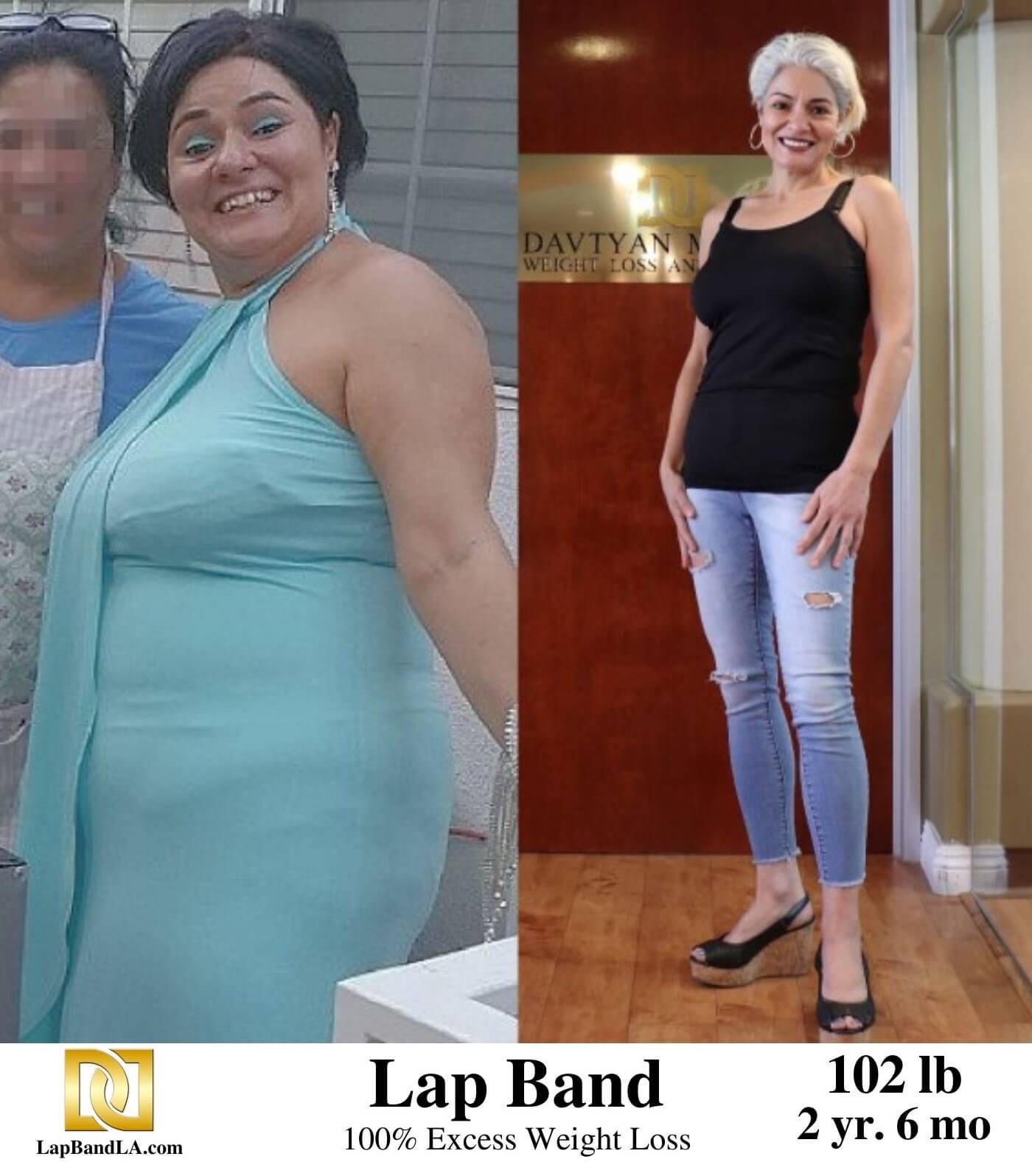
Patients who are considering surgery may also want to learn more about how Lap-Band surgery works and expected Lap-Band surgery results.
Lap-Band Recovery Timeline
Recovery after Lap-Band surgery occurs in stages as the body heals and patients adjust to new dietary habits.
First 24 Hours After Surgery
Most patients remain in the surgical center for observation before returning home the same day or the following morning.
During this time:
- Doctors monitor vital signs
- Patients begin walking shortly after surgery
- Small amounts of liquids are introduced
Walking early helps improve circulation and reduce the risk of complications.
First Week After Surgery
During the first week, the body continues to heal from the laparoscopic procedure.
Patients may experience:
- Mild abdominal discomfort
- Temporary fatigue
- Shoulder pain from surgical gas
- Swelling near incision sites
These symptoms typically improve within several days.
Patients are encouraged to:
- Walk frequently
- Stay hydrated
- Follow dietary guidelines
- Avoid heavy lifting
Weeks Two to Four
Most patients begin feeling significantly better within two to four weeks.
During this stage, patients may:
- Gradually return to normal work activities
- Increase physical activity
- Continue progressing through dietary stages
Doctors usually schedule the first Lap-Band adjustment around 4–6 weeks after surgery.
Patients can learn more about Lap-Band adjustments.
Diet After Lap-Band Surgery
Nutrition plays a crucial role in recovery and long-term success.
After surgery, patients follow a structured dietary progression designed to allow the stomach to heal.
Stage 1: Clear Liquids
During the first few days, patients consume clear liquids such as:
- Water
- Broth
- Sugar-free beverages
Stage 2: Full Liquids
After several days, patients transition to:
- Protein shakes
- Smooth soups
- Low-fat yogurt
Stage 3: Soft Foods
As healing continues, patients gradually introduce soft foods such as:
- Scrambled eggs
- Soft fish
- Mashed vegetables
Stage 4: Regular Healthy Meals
Eventually patients return to normal meals while maintaining small portion sizes and balanced nutrition.
Patients who follow dietary guidelines tend to achieve better Lap-Band surgery results.
Physical Activity During Recovery
Light physical activity is encouraged shortly after surgery to improve circulation and support healing.
Doctors typically recommend:
- Walking daily during early recovery
- Gradually increasing activity levels
- Avoiding strenuous exercise for several weeks
Regular exercise becomes an important part of maintaining long-term weight loss.
Managing Common Recovery Symptoms
Most patients experience mild and temporary symptoms during recovery as the body adjusts.
Common symptoms may include:
- Temporary nausea
- Fatigue
- Mild digestive changes
- Sensitivity to certain foods
These symptoms usually improve as patients adapt to their new eating patterns.
Patients can review Lap-Band surgery benefits to understand how the procedure supports long-term health improvements.
Follow-Up Care After Lap-Band Surgery
Ongoing medical follow-up plays a major role in long-term success.
Follow-up visits allow doctors to:
- Monitor weight loss progress
- Perform band adjustments
- Address dietary concerns
- Ensure proper healing
Patients typically require several band adjustments during the first year after surgery to achieve optimal restriction.
Long-Term Lifestyle After Lap-Band Surgery
Although the surgery provides powerful support for weight loss, maintaining results requires long-term lifestyle commitment.
Patients are encouraged to maintain:
- Healthy eating habits
- Regular physical activity
- Follow-up medical visits
- Balanced nutrition
These habits help patients achieve sustainable weight loss and improved health.
Patients who are comparing procedures may also wish to review Lap-Band vs gastric sleeve surgery and Lap-Band vs gastric balloon treatment.
When to Contact Your Doctor
Although complications are uncommon, patients should contact their doctor if they experience:
- Persistent vomiting
- Severe abdominal pain
- Signs of infection
- Difficulty swallowing liquids
Prompt medical attention helps ensure safe recovery.
Patients can also review the potential risks of bariatric surgery to better understand safety considerations.
Life After Lap-Band Surgery
Recovery marks the beginning of a long-term weight loss journey. With proper medical guidance and healthy lifestyle changes, many patients achieve meaningful weight loss and improved quality of life.
By understanding Lap-Band surgery recovery, patients can approach the healing process with confidence and prepare for long-term success.
A consultation with Dr. David Davtyan can help determine whether Lap-Band surgery is the right treatment option and provide guidance through every stage of the recovery process.