


preparation
How to Prepare for Bariatric Surgery
Preparing properly for surgery is one of the most important steps toward a safe procedure and successful long-term weight loss. Understanding how to prepare for bariatric surgery helps patients reduce risks, recover faster, and achieve better long-term health outcomes.
At our Los Angeles practice, Dr. David Davtyan, MD, FACS, FICS, carefully guides patients through every stage of the preparation process. Dr. Davtyan is board certified by the American Board of Surgery and the American Board of Obesity Medicine, and has helped thousands of patients safely prepare for bariatric procedures using a comprehensive and multidisciplinary approach.
Dr. Davtyan received his medical training at the UCLA School of Medicine and completed advanced surgical training at internationally recognized institutions including M.D. Anderson Cancer Center and the John Wayne Cancer Institute. His experience in complex surgery and minimally invasive procedures allows him to create personalized treatment plans that help patients achieve the safest possible surgical outcomes.
Preparing for bariatric surgery typically involves several steps, including medical evaluations, nutritional counseling, lifestyle adjustments, and psychological readiness. Each stage plays an important role in ensuring patient safety and long-term success.
Medical Evaluation Before Surgery
Before undergoing weight loss surgery, patients must complete a comprehensive medical evaluation.
This evaluation helps determine whether a patient qualifies for surgery and ensures that there are no underlying conditions that could increase surgical risks.
During this stage, doctors typically review:
- Medical history
• Current medications
• Previous weight loss attempts
• Obesity-related health conditions
Patients first learn who qualifies for bariatric surgery to confirm that surgical treatment may be appropriate.
Physicians may also review the different types of bariatric surgery available to determine which procedure best matches the patient’s health profile and weight loss goals.
Nutritional Counseling and Diet Preparation
Nutrition plays a critical role in the success of bariatric surgery.
Before surgery, most patients work with a dietitian to begin modifying their eating habits and preparing their body for the procedure.
Patients may be advised to:
• Reduce calorie intake
• Increase protein consumption
• Eliminate sugary foods and drinks
• Avoid carbonated beverages
• Practice smaller portion sizes
Many patients also begin a short pre-operative weight loss diet to reduce liver size and improve surgical safety.
These dietary changes help prepare the body for procedures such as gastric sleeve surgery or Lap-Band surgery.
Lifestyle Changes Before Surgery
Weight loss surgery works best when patients begin adopting healthier habits before the procedure.
Dr. Davtyan encourages patients to begin lifestyle improvements early in order to enhance recovery and long-term weight loss results.
Common recommendations include:
• Starting a regular walking routine
• Stopping smoking
• Reducing alcohol intake
• Improving sleep quality
• Practicing mindful eating
Patients considering non-surgical treatments such as the gastric balloon procedure may also benefit from these lifestyle adjustments.
Psychological Preparation
Mental readiness is an important part of bariatric surgery preparation.
Some patients undergo a psychological evaluation to ensure they are prepared for the physical and lifestyle changes that follow surgery.
These assessments help determine whether patients:
- Have realistic expectations about surgery
• Understand the required lifestyle changes
• Are emotionally prepared for weight loss
• Have support systems in place
Being mentally prepared helps patients maintain long-term weight loss success.
Pre-Surgery Testing
Before surgery, doctors may order several diagnostic tests to ensure patient safety.
These tests may include:
• Blood tests
• Heart evaluations
• Imaging studies
• Nutritional assessments
The goal of this testing is to identify any medical concerns before surgery and ensure the safest possible procedure.
Patients are also educated about the potential risks of bariatric surgery and how these risks are minimized through careful preparation and experienced surgical care.
What to Expect the Week Before Surgery
In the days leading up to surgery, patients receive detailed instructions from their medical team.
These may include:
- Following a liquid diet
• Avoiding certain medications
• Fasting before surgery
• Preparing recovery supplies at home
Following these instructions helps ensure a smoother surgical experience and safer anesthesia.
Preparing for Recovery
Preparing your home and schedule before surgery can make recovery easier and less stressful.
Patients are encouraged to:
• Arrange time off from work
• Plan transportation after surgery
• Stock up on approved foods and protein supplements
• Prepare a comfortable recovery environment at home
Understanding bariatric surgery recovery helps patients know what to expect during the healing process.
The Importance of Long-Term Lifestyle Changes
Bariatric surgery is a powerful medical tool, but long-term success requires ongoing lifestyle commitment.
Patients should maintain:
- Healthy eating habits
• Regular physical activity
• Routine medical follow-ups
• Lifelong vitamin supplementation
These habits help patients maintain the long-term benefits of bariatric surgery and reduce the risk of complications.
Real Patient Results
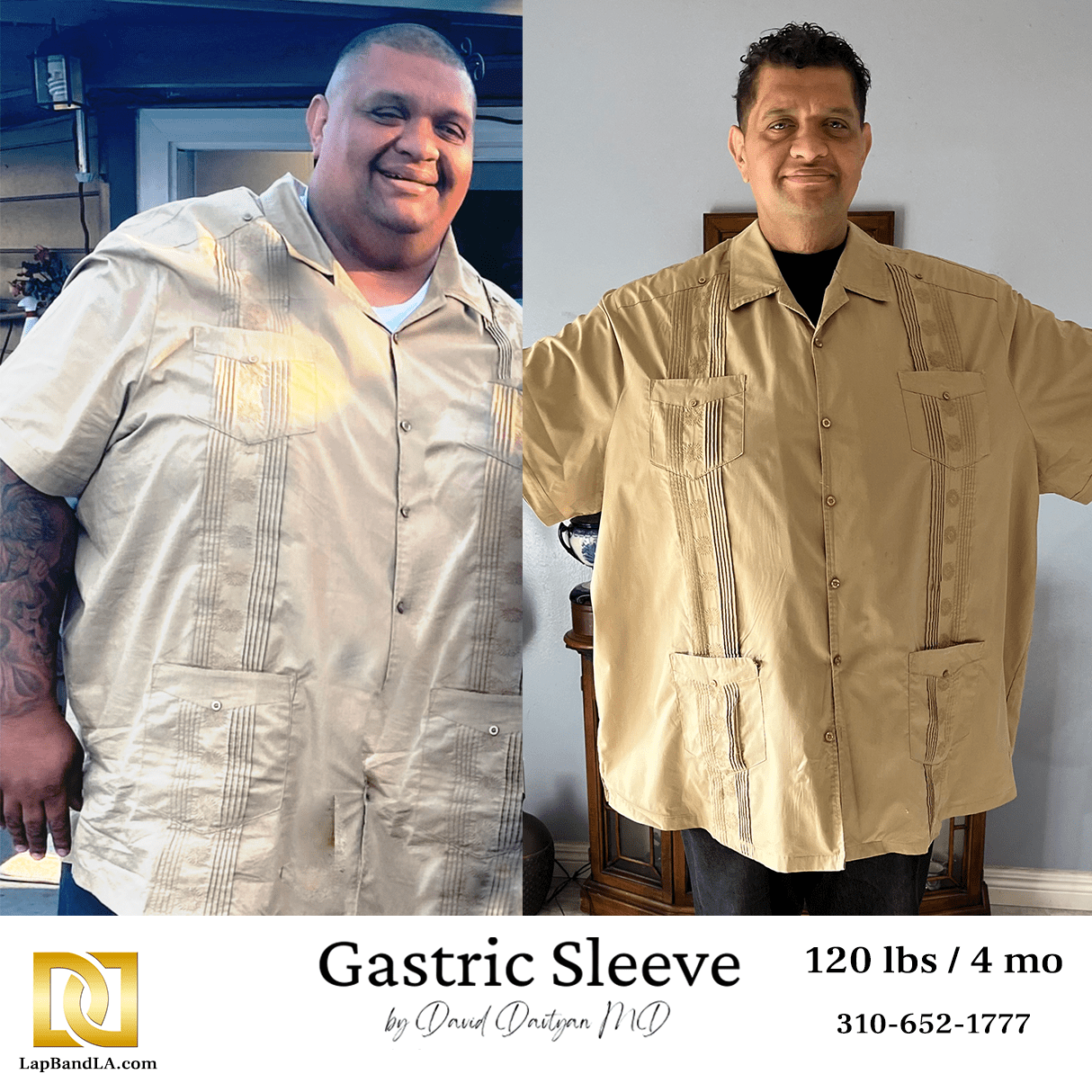
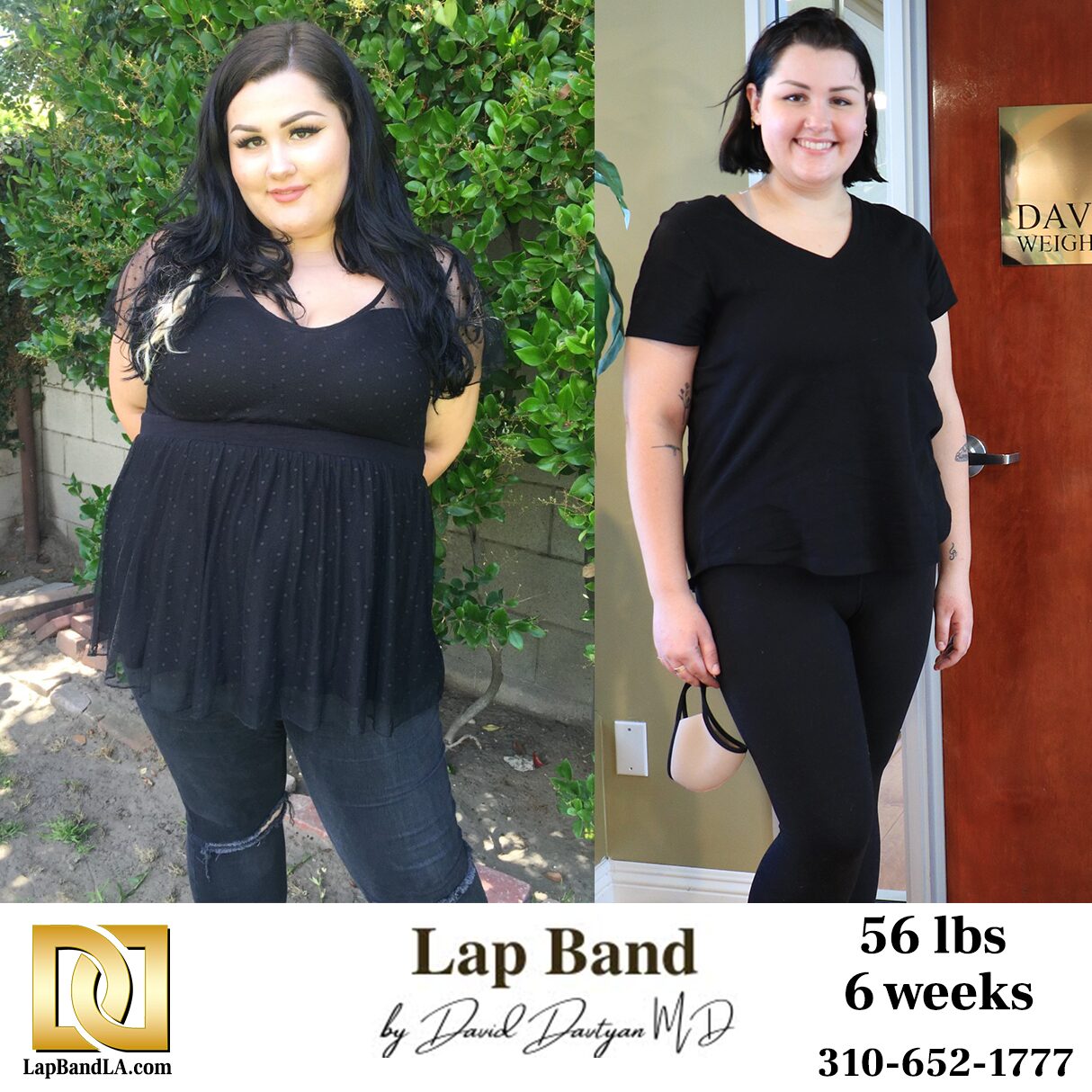
Proper preparation plays a major role in successful surgical outcomes. Patients who follow their pre-surgery guidelines often experience smoother recovery and better weight loss results.
You can explore real bariatric surgery before and after results to see how preparation and lifestyle changes contribute to long-term success.
Many individuals also share their experiences in bariatric surgery success stories.
Taking the First Step
Preparing for bariatric surgery may feel overwhelming at first, but patients are guided through each stage of the process.
By understanding how to prepare for bariatric surgery, patients can approach treatment with confidence and set themselves up for long-term success.
A consultation with Dr. David Davtyan can help determine the most appropriate procedure and provide personalized guidance through every step of the preparation process.