

For many people struggling with obesity, weight loss is not simply a matter of motivation or willpower. Years of dieting, exercise programs, medications, and short-term success followed by weight regain can leave patients feeling frustrated and physically exhausted.
Gastric sleeve surgery has become one of the most commonly performed bariatric procedures because it can help support substantial long-term weight loss while also improving many obesity-related health conditions.
If you are researching gastric sleeve surgery in Los Angeles, understanding what results are realistic, how the procedure works, and what recovery actually looks like can help you make a more informed decision about whether bariatric surgery is appropriate for your situation.


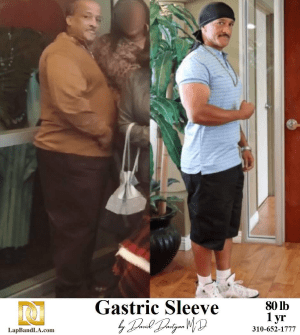


What Gastric Sleeve Surgery Does
Gastric sleeve surgery, also called sleeve gastrectomy, reduces the size of the stomach by removing a large portion of it and creating a smaller sleeve-shaped stomach.
The procedure supports weight loss in multiple ways. The smaller stomach limits portion size, while hormonal changes associated with the surgery may help reduce hunger and appetite for many patients.
Unlike gastric bypass surgery, the digestive tract is not rerouted. Food continues through the normal digestive pathway, which makes sleeve gastrectomy less anatomically complex than bypass surgery while still producing significant weight loss for many patients.
The surgery is typically performed laparoscopically through several small incisions.
How Much Weight Patients Typically Lose
One of the most common questions patients ask is how much weight they can realistically expect to lose after gastric sleeve surgery.
Most patients lose a substantial percentage of their excess body weight over the first 12 to 18 months after surgery. Weight loss is usually most rapid during the earlier stages of recovery before gradually slowing into a more stable long-term maintenance phase.
However, outcomes vary from person to person. Factors that can influence results include:
- Starting BMI
- Existing medical conditions
- Eating behaviors
- Physical activity levels
- Long-term dietary consistency
- Follow-up care participation
Weight loss surgery is not designed to function independently from lifestyle changes. Patients who actively engage in nutrition, exercise, behavioral changes, and long-term follow-up care generally experience the strongest long-term results.
What the Weight Loss Timeline Often Looks Like
Every patient progresses differently, but many patients notice meaningful changes relatively early after surgery.
First 3 Months
The first several months are usually associated with the fastest rate of weight loss. Patients are adjusting to smaller portions, dietary changes, hydration goals, and new eating habits while the body adapts to rapid metabolic changes.
Around 6 Months
By this point, many patients have experienced substantial weight reduction and improvements in mobility, energy, or obesity-related symptoms. Weight loss often continues steadily, although the pace may slow compared to the earliest months.
Around 12 Months
For many patients, the one-year mark represents a major milestone. Weight loss may continue, though often at a slower pace than during the earlier postoperative period.
Long-Term Maintenance
Long-term success depends heavily on maintaining sustainable habits. Patients who return to frequent grazing, high-calorie liquid intake, or inconsistent eating patterns may experience partial weight regain over time.
Why Gastric Sleeve Surgery Has Become So Popular
Gastric sleeve surgery has become one of the most widely performed bariatric procedures because it balances effectiveness with a relatively straightforward surgical structure.
Some patients prefer sleeve gastrectomy because:
- There is no implanted device
- The intestines are not bypassed
- Portion control becomes physically reinforced
- Hunger may decrease after surgery
- Weight loss can be substantial
- Recovery is often shorter than more complex bariatric procedures
For patients who struggled with repeated cycles of weight loss and regain, the procedure can provide a more structured long-term tool for managing obesity.
Important Lifestyle Changes After Surgery
One of the biggest misconceptions about gastric sleeve surgery is that surgery alone permanently solves weight problems.
Long-term success still requires major behavioral and nutritional adjustments.
Patients typically need to:
- Eat much smaller portions
- Prioritize protein intake
- Avoid overeating
- Stay hydrated
- Take recommended supplements
- Exercise consistently
- Attend follow-up appointments
- Develop sustainable eating habits
The first several months after surgery often involve significant dietary progression, beginning with liquids before gradually transitioning toward soft foods and eventually more regular textures.
The adjustment period can feel physically and emotionally demanding for some patients, particularly while adapting to entirely different eating patterns.
Health Improvements Beyond Weight Loss
Many patients pursue bariatric surgery not only because of body weight itself, but because obesity affects overall health and daily functioning.
Successful weight loss after gastric sleeve surgery may help improve:
- Sleep apnea
- Blood pressure
- Type 2 diabetes management
- Joint pain
- Physical endurance
- Mobility
- Energy levels
- Quality of life
Some patients also report improved confidence and increased ability to participate in activities that previously felt physically difficult.
Understanding Excess Weight Loss
Bariatric surgery outcomes are often discussed using the term “excess weight loss,” which refers to the amount of weight lost beyond a patient’s estimated healthy target range.
For example, if someone weighs 250 pounds and their estimated healthy target weight is 150 pounds, they may have approximately 100 pounds of excess weight.
Understanding excess weight helps create more realistic expectations because bariatric surgery is generally measured by reduction in excess weight rather than achieving a specific clothing size or exact number on the scale.
Is Gastric Sleeve Surgery Right for Everyone?
Gastric sleeve surgery is not appropriate for every patient struggling with weight.
Some individuals may benefit more from:
- Medical weight loss programs
- Nutritional therapy
- Gastric bypass surgery
- Revision bariatric procedures
- Behavioral treatment approaches
A thorough medical evaluation is important because factors such as reflux disease, previous surgeries, metabolic conditions, eating patterns, and long-term goals can all affect which treatment approach makes the most sense.
Taking the First Step Toward Long-Term Weight Loss
For many patients, researching bariatric surgery begins after years of frustration with temporary or unsuccessful weight loss attempts.
Understanding how gastric sleeve surgery works, what recovery involves, and what long-term success actually requires can help patients make decisions based on realistic expectations rather than quick-fix promises.
The goal of bariatric surgery is not simply rapid weight reduction. The larger goal is creating meaningful, sustainable improvements in health, mobility, and overall quality of life through long-term lifestyle change and medical support.


