

For people living with obesity, weight loss is often tied to much more than appearance. Chronic joint pain, sleep apnea, high blood pressure, type 2 diabetes, reduced mobility, fatigue, and emotional stress can all affect daily life in significant ways.
Gastric sleeve surgery has become one of the most commonly performed bariatric procedures because it can help patients achieve meaningful long-term weight loss while also improving many obesity-related health conditions.
If you are considering gastric sleeve surgery in Los Angeles, understanding the potential benefits, realistic expectations, and long-term lifestyle changes involved can help you decide whether the procedure is the right fit for your goals.


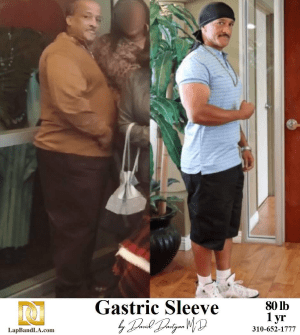


What Gastric Sleeve Surgery Is
Gastric sleeve surgery, also called sleeve gastrectomy, is a bariatric procedure that reduces the size of the stomach by removing a large portion of it and creating a smaller sleeve-shaped stomach.
The smaller stomach limits how much food can comfortably be eaten at one time. In addition to portion reduction, many patients experience reduced hunger after surgery because the procedure affects hormones involved in appetite regulation.
Unlike gastric bypass surgery, sleeve gastrectomy does not reroute the intestines. Food continues through the normal digestive pathway, which makes the anatomy less complex while still producing substantial weight loss for many patients.
The procedure is typically performed laparoscopically using several small incisions.
Weight Loss Benefits of Gastric Sleeve Surgery
One of the primary reasons patients pursue gastric sleeve surgery is the potential for significant excess weight loss over time.
Many patients experience the most rapid weight reduction during the first several months after surgery before transitioning into a slower long-term phase of continued progress and maintenance.
Weight loss outcomes vary based on several factors, including:
- Starting BMI
- Eating behaviors
- Physical activity
- Metabolic conditions
- Long-term lifestyle consistency
- Follow-up care participation
The surgery itself is not designed to function independently from behavior change. Patients who maintain structured eating habits, regular exercise, hydration, and long-term medical follow-up generally achieve the strongest long-term outcomes.
Health Conditions That May Improve After Surgery
For many patients, the benefits of gastric sleeve surgery extend well beyond the number on the scale.
Obesity can affect nearly every system in the body, and substantial weight reduction may improve a wide range of obesity-related conditions.
Some patients experience improvement in:
- Type 2 diabetes management
- High blood pressure
- Sleep apnea
- Joint pain
- Mobility limitations
- Chronic fatigue
- Elevated cholesterol
- Breathing difficulties
- Physical endurance
Not every condition resolves completely, and outcomes vary from patient to patient, but many individuals notice meaningful changes in daily functioning and quality of life after sustained weight loss.
How Gastric Sleeve Surgery Changes Hunger and Eating Patterns
One of the major differences patients notice after gastric sleeve surgery is the change in appetite and portion tolerance.
Because the stomach is significantly smaller, patients generally feel full much faster than before surgery. In addition, removal of the portion of the stomach associated with ghrelin production may reduce hunger for many people.
This combination can help patients break long-standing cycles of overeating or constant hunger that previously made weight management difficult.
However, long-term success still depends on learning new eating behaviors and maintaining consistent habits over time.
Why Long-Term Follow-Up Matters
A successful outcome after bariatric surgery involves much more than the operation itself.
Patients who maintain regular follow-up appointments often receive:
- Nutritional monitoring
- Dietary guidance
- Vitamin management
- Weight-loss support
- Ongoing medical evaluation
- Behavioral accountability
Long-term studies consistently show that patients who stay engaged with postoperative care tend to maintain stronger long-term results compared to patients who completely disconnect from follow-up care after surgery.
Understanding the Recovery Process
Recovery after gastric sleeve surgery happens gradually.
Most patients transition through multiple dietary stages beginning with liquids before moving toward soft foods and eventually regular textures over time.
The first few months often require significant adjustment as patients adapt to:
- Smaller portions
- Slower eating
- Hydration goals
- Protein intake requirements
- Reduced calorie intake
- Lifestyle changes
While recovery can feel physically and emotionally demanding at times, many patients begin noticing improvements in energy, mobility, and physical comfort as weight loss progresses.
Pregnancy and Gastric Sleeve Surgery
For some women, weight loss after bariatric surgery may improve fertility and reproductive health.
However, pregnancy is generally not recommended immediately after surgery because the body is undergoing rapid weight loss and nutritional adjustment during the earlier postoperative period.
Patients considering future pregnancy should discuss timing, nutritional monitoring, and long-term planning directly with their bariatric team and OB-GYN provider.
Is Gastric Sleeve Surgery Right for Everyone?
Although gastric sleeve surgery can be highly effective for many patients, it is not the correct option for everyone struggling with weight.
Some patients may benefit more from:
- Medical weight loss programs
- Nutritional counseling
- Gastric bypass surgery
- Revision bariatric procedures
- Behavioral treatment approaches
A full medical evaluation is important because factors such as reflux disease, eating behaviors, prior surgeries, BMI, and long-term health goals can all influence which treatment approach is most appropriate.
Taking the Next Step Toward Long-Term Health
Gastric sleeve surgery is not designed as a quick fix or cosmetic shortcut. It is a medical procedure intended to support substantial long-term weight loss and improve obesity-related health risks through permanent lifestyle change.
For patients who have struggled for years with repeated cycles of dieting and weight regain, bariatric surgery may provide an opportunity to regain mobility, improve overall health, and create a more sustainable long-term path forward.


