

For many people struggling with obesity, weight loss becomes more complicated than simply “eating less” or exercising more. Long-term obesity can affect metabolism, energy levels, mobility, sleep, blood pressure, joint health, and overall quality of life. After years of unsuccessful dieting or weight regain, some patients begin exploring bariatric surgery as a more structured medical option.
Gastric sleeve surgery, also called sleeve gastrectomy, has become one of the most commonly performed bariatric procedures because it combines meaningful weight loss potential with a less complex surgical approach than gastric bypass.
If you are researching gastric sleeve surgery in Los Angeles, understanding how the procedure works, who may qualify, what recovery looks like, and what long-term success actually requires can help you make a more informed decision.


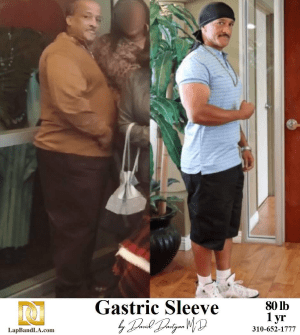


What Gastric Sleeve Surgery Actually Is
Gastric sleeve surgery is a bariatric procedure that removes a large portion of the stomach, leaving behind a smaller, sleeve-shaped stomach pouch.
The surgery works in several ways at the same time. First, the reduced stomach size limits how much food can comfortably be eaten at one sitting. Second, removing part of the stomach affects hunger-related hormones, including ghrelin, which may help reduce appetite for some patients.
Unlike gastric bypass surgery, the intestines are not rerouted. Food continues to move through the digestive system in its normal pathway, which makes the procedure somewhat less complex anatomically than bypass surgery.
The procedure is typically performed laparoscopically using several small incisions rather than one large incision.
Who May Be a Candidate for Gastric Sleeve Surgery
Not everyone interested in weight loss surgery is automatically a candidate for gastric sleeve surgery. Bariatric surgery decisions are based on a combination of BMI, medical history, obesity-related health conditions, previous treatment attempts, and long-term goals.
Some patients who consider sleeve gastrectomy may:
- Have a BMI over 40
- Have obesity-related conditions such as sleep apnea, hypertension, or type 2 diabetes
- Struggle with long-term weight regain
- Want a procedure without intestinal bypass
- Be seeking a more permanent alternative to adjustable gastric banding
A comprehensive evaluation is important because different bariatric procedures work better for different patients. Factors like reflux disease, eating behaviors, previous surgeries, and metabolic conditions can all influence which procedure is most appropriate.
How Gastric Sleeve Surgery Helps With Weight Loss
One of the biggest misconceptions about bariatric surgery is that surgery alone creates permanent weight loss. In reality, gastric sleeve surgery is a tool that supports long-term behavioral and dietary changes.
The smaller stomach capacity helps patients feel full with significantly smaller portions. Many patients also notice reduced hunger early after surgery due to hormonal changes associated with stomach reduction.
Weight loss after gastric sleeve surgery is usually most rapid during the first 12 to 18 months, though long-term success depends heavily on:
- Nutritional habits
- Protein intake
- Physical activity
- Follow-up care
- Consistency over time
- Addressing emotional or behavioral eating patterns
Patients who remain actively engaged in long-term follow-up care generally experience better outcomes than those who treat surgery as a short-term solution.
Potential Health Benefits Beyond Weight Reduction
Many patients pursue bariatric surgery because of obesity-related medical conditions that affect daily functioning and long-term health.
Successful weight loss after gastric sleeve surgery may help improve:
- Sleep apnea
- Blood pressure
- Blood sugar control
- Joint stress
- Mobility
- Energy levels
- Physical endurance
- Fatty liver disease risk factors
Some patients also report improvements in confidence, activity levels, social engagement, and overall quality of life after significant weight reduction.
However, expectations should remain realistic. Surgery is not a cure-all, and maintaining results still requires ongoing lifestyle changes and medical follow-up.
What Recovery Typically Looks Like
Recovery after gastric sleeve surgery happens in phases. Most procedures are performed laparoscopically, which generally allows for shorter recovery times compared to traditional open surgery.
Immediately after surgery, the focus is usually on:
- Hydration
- Walking and mobility
- Pain control
- Gradual dietary progression
- Monitoring for complications
Patients typically begin with liquids before slowly advancing to soft foods and eventually more regular textures over several weeks.
Eating habits often need to change significantly after surgery. Eating too quickly, overeating, or not chewing thoroughly can lead to discomfort, nausea, or vomiting. Long-term success usually requires learning entirely new patterns around portion size, hydration, and meal pacing.
Risks and Considerations to Understand
Like any surgical procedure, gastric sleeve surgery carries risks and limitations that patients should understand beforehand.
Potential complications can include:
- Staple line leaks
- Bleeding
- Acid reflux
- Nutritional deficiencies
- Strictures
- Blood clots
- Weight regain over time
Because part of the stomach is permanently removed, sleeve gastrectomy is not reversible.
Some patients also develop or experience worsening reflux symptoms after surgery, which can influence whether gastric sleeve surgery is the best option for them compared to gastric bypass.
A thorough consultation and preoperative evaluation are important for balancing potential benefits against risks.
Comparing Gastric Sleeve Surgery to Other Bariatric Procedures
Patients researching bariatric surgery often compare gastric sleeve surgery with gastric bypass or Lap-Band surgery.
Compared to Lap-Band surgery, sleeve gastrectomy generally produces greater overall weight loss and does not require long-term band adjustments or implanted hardware.
Compared to gastric bypass surgery, the sleeve procedure avoids intestinal rerouting and may involve fewer long-term malabsorption concerns. However, bypass surgery may provide stronger metabolic effects for some patients with severe reflux or diabetes.
There is no single “best” bariatric surgery for everyone. The right procedure depends on individual medical history, eating behaviors, goals, and risk factors.
Long-Term Success After Gastric Sleeve Surgery
The patients who tend to do best long term are usually the ones who view surgery as part of a larger lifestyle transformation rather than a temporary intervention.
Long-term success often involves:
- Consistent follow-up appointments
- Nutritional monitoring
- Regular physical activity
- Vitamin supplementation
- Behavioral support
- Sustainable eating habits
Weight loss surgery can create meaningful physical and medical improvements, but maintaining those results still requires ongoing effort and long-term commitment.
Deciding Whether Bariatric Surgery Is Right for You
Considering bariatric surgery can feel overwhelming, especially when comparing procedures, recovery expectations, and long-term outcomes.
For many patients, the first step is simply having an honest conversation with an experienced bariatric surgeon about medical history, weight loss struggles, goals, and available options.
Understanding both the benefits and the realities of gastric sleeve surgery can help patients make decisions based on long-term health rather than marketing claims or quick-fix expectations.


