

candidates
Who Qualifies for Bariatric Surgery?
Many individuals struggling with long-term obesity wonder whether they may be candidates for weight loss surgery. Understanding who qualifies for bariatric surgery can help determine whether surgical or medical weight loss treatments may be the right solution.
At our Los Angeles practice, Dr. David Davtyan, MD, FACS, FICS, performs a comprehensive medical evaluation to determine whether bariatric surgery is appropriate for each patient. Dr. Davtyan is board certified by the American Board of Surgery and the American Board of Obesity Medicine, and has decades of experience helping patients safely achieve significant weight loss through advanced surgical and non-surgical treatments.
Bariatric procedures are typically recommended for individuals who have been unable to achieve lasting weight loss through diet and exercise alone. These procedures help reduce food intake, regulate appetite hormones, and improve metabolic health.
Before recommending surgery, Dr. Davtyan carefully evaluates each patient’s medical history, lifestyle factors, and long-term health goals to ensure the safest and most effective treatment plan.
BMI Requirements for Bariatric Surgery
One of the primary criteria used to determine bariatric surgery eligibility is Body Mass Index (BMI).
Patients may qualify if they meet one of the following guidelines:
• BMI of 40 or higher
• BMI of 35 or higher with obesity-related health conditions
• BMI between 30–35 in certain medical cases
However, BMI is only one part of the evaluation. Dr. Davtyan also considers metabolic health, previous weight loss attempts, and other medical factors before recommending treatment.
Patients can also learn more about the types of bariatric surgery that may be appropriate depending on BMI and overall health.
Health Conditions That May Qualify You
Many patients qualify for surgery because obesity has contributed to serious medical conditions.
Common health conditions that may qualify someone for bariatric treatment include:
- Type 2 diabetes
• High blood pressure
• Sleep apnea
• Heart disease
• Joint problems
• Fatty liver disease
For many patients, the health benefits of bariatric surgery include dramatic improvements or even resolution of these conditions.
Dr. Davtyan often works with patients whose obesity has begun to affect their long-term health, mobility, or quality of life.
Candidates Who Struggle With Long-Term Weight Loss
Patients who repeatedly lose and regain weight through dieting may also be strong candidates for bariatric treatment.
Doctors may recommend bariatric surgery for individuals who:
• Have tried multiple diet programs without lasting success
• Experience severe metabolic resistance to weight loss
• Struggle with appetite control or persistent hunger
• Have increasing health risks related to obesity
For these individuals, weight loss surgery options can provide long-term metabolic support and sustainable weight management.
Dr. Davtyan believes that treating obesity requires a comprehensive approach, combining surgical treatments with nutritional guidance, behavioral support, and long-term medical follow-up.
Lifestyle Commitment for Bariatric Surgery
While bariatric procedures can be highly effective, long-term success requires commitment from the patient.
Candidates should be prepared to:
• Follow nutritional and dietary guidelines
• Maintain regular medical follow-up appointments
• Incorporate exercise into their routine
• Take recommended vitamin and nutritional supplements
Understanding bariatric surgery recovery and lifestyle changes helps patients prepare for life after surgery.
Dr. Davtyan and his medical team work closely with patients to support them throughout their entire weight loss journey.
Which Bariatric Procedure Is Right for You?
Once doctors determine eligibility, they help patients select the most appropriate procedure based on their health history and weight loss goals.
Common treatment options include:
• gastric sleeve surgery
• Lap-Band surgery
• gastric balloon procedure
Each treatment works differently, and selecting the right procedure requires careful medical evaluation.
Learning about the different bariatric surgery procedures can help patients better understand their available options.
Risks and Medical Evaluation
Before surgery, patients undergo a comprehensive medical evaluation to ensure the procedure can be performed safely.
Doctors typically review:
• Medical history
• Current medications
• Nutritional health
• Psychological readiness
Understanding the potential risks of bariatric surgery is an important part of making an informed decision.
Dr. Davtyan carefully discusses these risks with each patient and provides guidance on how they can be minimized through proper preparation and medical supervision.
Preparing for Bariatric Surgery
If you qualify for surgery, the next step is preparing for the procedure.
Patients typically begin a structured program that includes:
• Pre-surgery weight management
• Nutritional counseling
• Medical testing
• Lifestyle adjustments
You can learn more about how to prepare for bariatric surgery and what to expect before the procedure.
Proper preparation helps ensure a smoother surgery and faster recovery.
Results Patients Can Expect
Many patients who qualify for bariatric surgery experience life-changing improvements in their health.
Typical results may include:
• Significant weight loss
• Improved mobility and physical activity
• Better control of diabetes
• Reduced blood pressure
• Increased energy levels
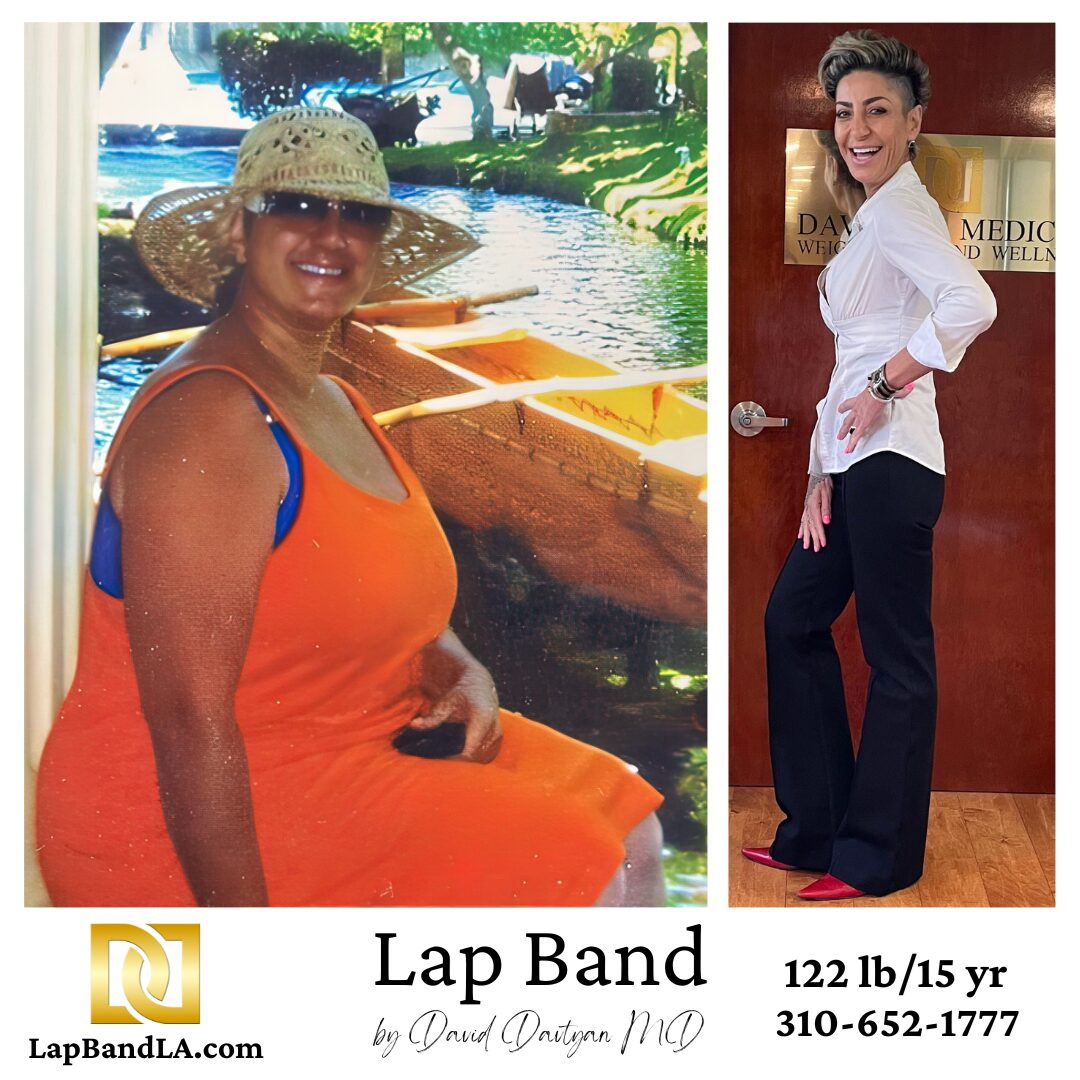
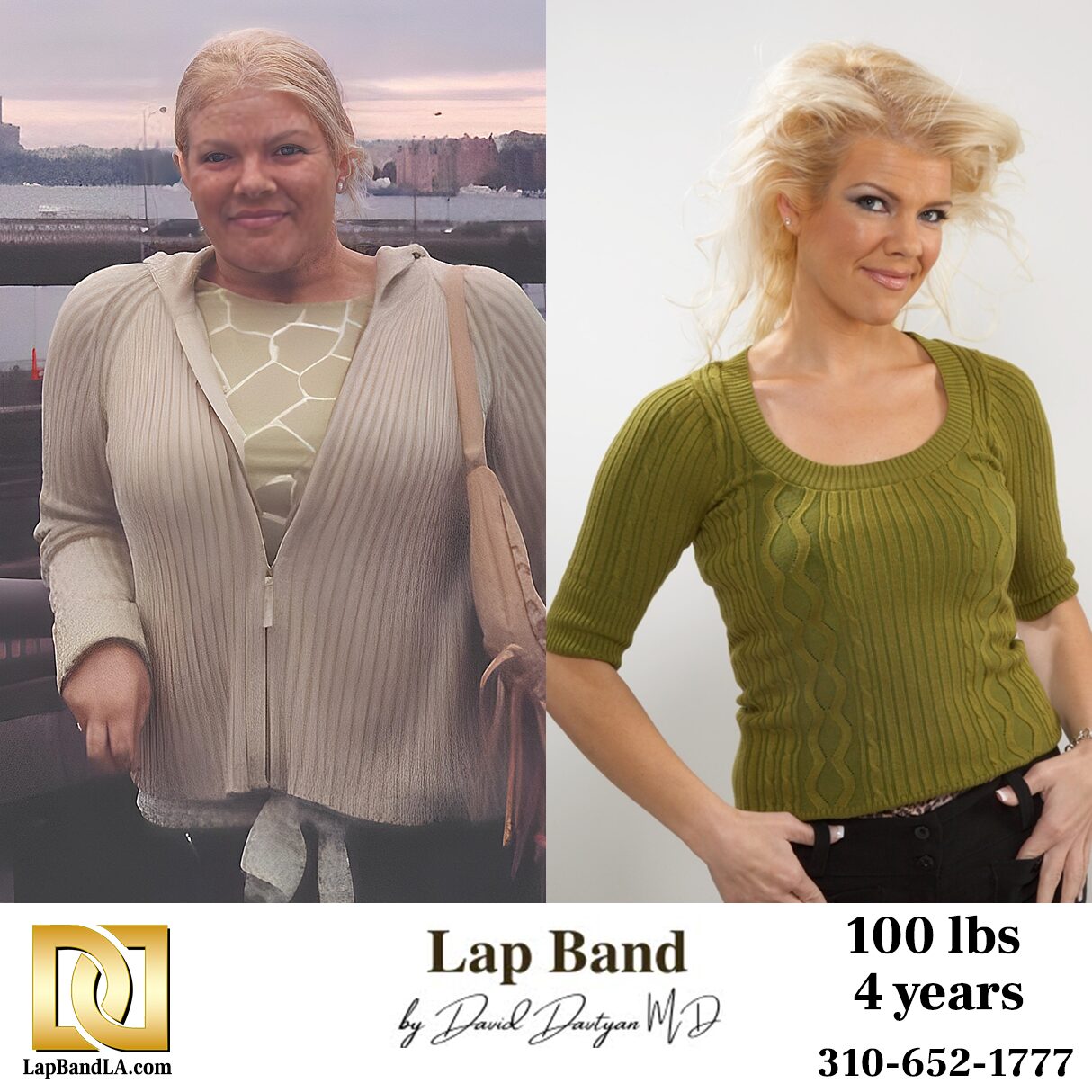
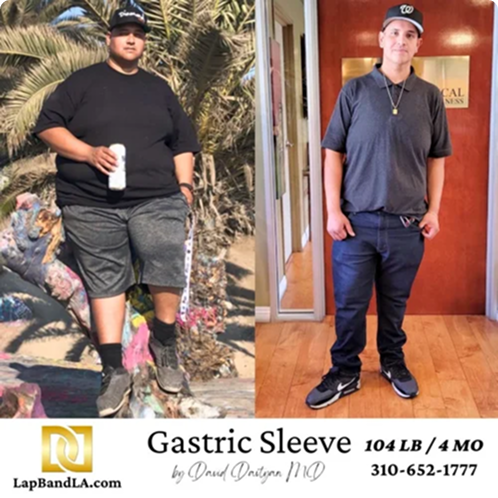
Patients can explore real bariatric surgery before and after results to see how others have transformed their health.
You can also read bariatric surgery success stories from individuals who achieved long-term weight loss.
Find Out If You Are a Candidate
If you are struggling with obesity and related health conditions, bariatric surgery may offer a path toward lasting weight loss and improved health.
A consultation with Dr. David Davtyan can help determine whether you qualify for bariatric surgery and which treatment option may be best for your needs.
With the right medical guidance, many patients successfully achieve long-term weight loss and significantly improve their overall health and quality of life.