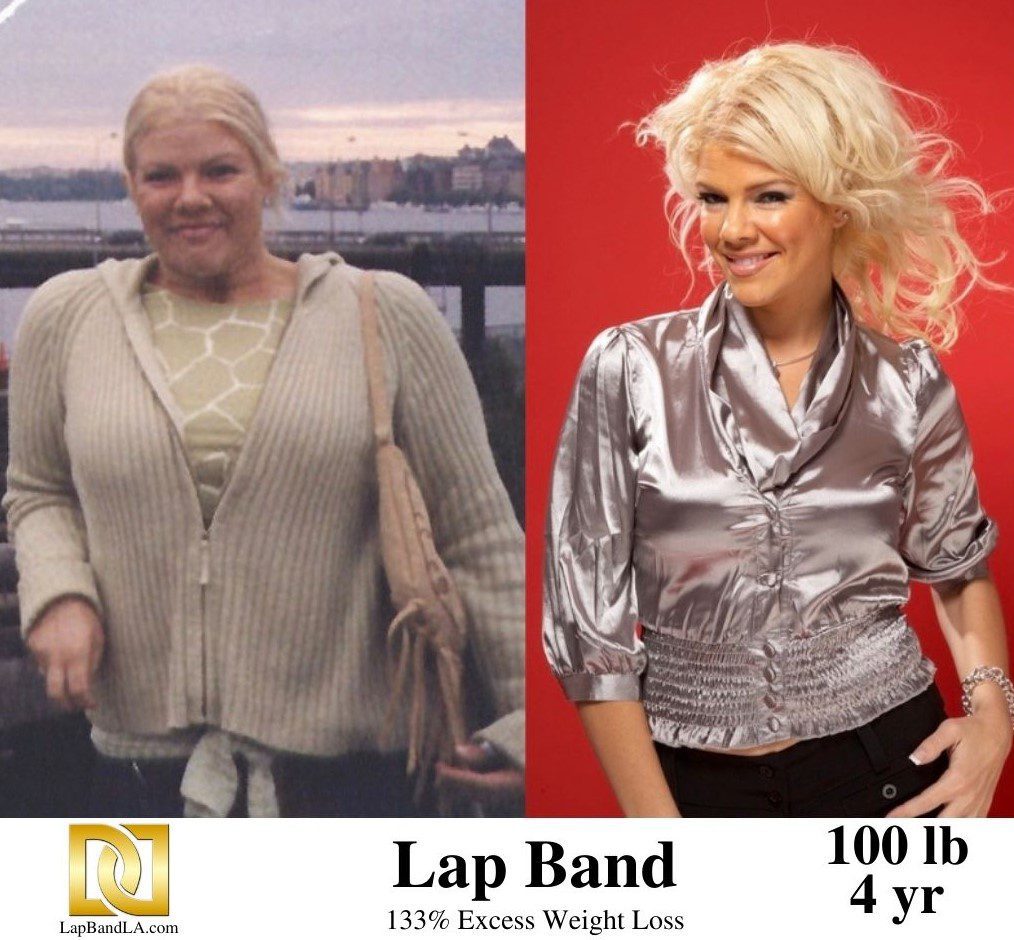






Obesity
Obesity: Causes, Health Risks, and Treatment Options
Obesity is a complex chronic disease that affects millions of people worldwide and significantly increases the risk of serious medical conditions. It is not simply a matter of excess weight, but a metabolic disorder influenced by genetics, lifestyle, environment, and hormonal regulation.
For many individuals, obesity makes long-term weight loss extremely difficult through diet and exercise alone. In these cases, medical treatment options—including lifestyle programs, medications, and bariatric surgery—may be recommended to improve health and reduce disease risk.
At our practice, Dr. David Davtyan, MD, FACS, FICS, provides comprehensive obesity treatment through a multidisciplinary approach that includes medical weight loss, lifestyle therapy, and advanced bariatric procedures. Dr. Davtyan is board certified by the American Board of Surgery and the American Board of Obesity Medicine, and has decades of experience helping patients manage obesity safely and effectively.
Dr. Davtyan received his medical education at the UCLA School of Medicine and completed advanced surgical training at internationally recognized institutions including M.D. Anderson Cancer Center and the John Wayne Cancer Institute. His extensive training allows him to guide patients toward personalized treatment strategies designed for long-term health improvement.


What Is Obesity?
Obesity is a medical condition characterized by excess body fat that increases the risk of health problems. Doctors commonly measure obesity using Body Mass Index (BMI), which compares weight to height.
BMI categories generally include:
- Normal weight: BMI 18.5–24.9
• Overweight: BMI 25–29.9
• Obesity: BMI 30 or higher
Higher BMI levels are associated with increased risk for serious chronic diseases.
Patients who meet certain criteria may be candidates for weight loss surgery, which can help reduce these risks.
Causes of Obesity
Obesity develops through a combination of biological, environmental, and lifestyle factors. For many individuals, weight gain occurs when calorie intake consistently exceeds the body’s energy expenditure.
However, several underlying factors may contribute to obesity.
Genetic Factors
Genetics can influence how the body stores fat, regulates appetite, and responds to physical activity.
Some individuals may have a genetic predisposition that makes weight management more difficult.


Hormonal and Metabolic Factors
Hormones that regulate hunger, metabolism, and energy storage can affect body weight.
Conditions that disrupt hormonal balance may increase the likelihood of obesity.
Lifestyle Factors
Certain habits may contribute to weight gain, including:
- Sedentary lifestyle
• High-calorie diets
• Frequent consumption of processed foods
• Irregular sleep patterns
Environmental Influences
Modern environments often promote sedentary behavior and easy access to calorie-dense foods, which can contribute to rising obesity rates.
Health Risks Associated With Obesity
Obesity significantly increases the risk of many serious health conditions. These complications can affect multiple organ systems and reduce overall life expectancy.
Patients can learn more about the health risks of obesity in greater detail.
Common obesity-related health conditions include:
- Type 2 diabetes
• High blood pressure
• Heart disease
• Sleep apnea
• Joint disease
• Fatty liver disease
Early treatment can help reduce the risk of these complications.


Obesity and Type 2 Diabetes
Obesity is one of the strongest risk factors for type 2 diabetes, a condition that affects how the body regulates blood sugar.
Excess body fat can lead to insulin resistance, making it more difficult for the body to maintain normal blood glucose levels.
Patients can learn more about the relationship between obesity and diabetes.
Weight loss—whether through lifestyle changes, medications, or surgery—can significantly improve blood sugar control.
Obesity and Sleep Apnea
Many individuals with obesity experience sleep apnea, a condition in which breathing repeatedly stops and starts during sleep.
Excess tissue around the neck and airway can obstruct breathing during sleep, leading to symptoms such as:
- Loud snoring
• Daytime fatigue
• Interrupted sleep patterns
Patients can learn more about obesity-related sleep apnea and how treatment may improve sleep quality.
Treatment Options for Obesity
Obesity treatment typically involves a combination of medical and lifestyle approaches designed to support sustainable weight loss.
Common treatment strategies include:
Lifestyle and Behavioral Changes
Doctors often recommend lifestyle changes such as:
These changes can help patients develop healthier long-term habits.


Weight Loss Medications
In some cases, doctors may recommend weight loss medications to help control appetite and support metabolic health.
Newer medications such as Ozempic, Wegovy, and Mounjaro have become increasingly popular for medical weight management.
Bariatric Surgery
For individuals with severe obesity or obesity-related health conditions, bariatric surgery may provide the most effective long-term treatment.
Procedures such as:
can help patients achieve significant weight loss and improve obesity-related health conditions.
Patients considering surgery can review bariatric surgery benefits and eligibility guidelines.
The Importance of Long-Term Weight Management
Successful obesity treatment involves more than short-term weight loss. Long-term health improvements depend on maintaining healthy habits and ongoing medical care.
Patients are often encouraged to focus on:
- Balanced nutrition
- Regular physical activity
- Ongoing medical follow-up
- Behavioral and lifestyle support
These strategies help maintain weight loss and improve overall health.


When to Seek Medical Help for Obesity
Individuals struggling with long-term weight gain or obesity-related health conditions may benefit from professional medical guidance.
A physician can evaluate:
- Body Mass Index (BMI)
- Medical history
- Existing health conditions
- Previous weight loss attempts
Based on these factors, doctors can recommend the safest and most effective treatment options.
Managing Obesity for Long-Term Health
Obesity is a chronic medical condition that requires comprehensive care and long-term management. With the right combination of lifestyle support, medical treatment, and personalized care, many individuals can achieve meaningful weight loss and improved health.
A consultation with Dr. David Davtyan can help patients explore treatment options—including lifestyle programs, medications, and bariatric surgery—to determine the best approach for achieving sustainable weight loss and better overall health.


