

mental health
Mental Health After Weight Loss Surgery: Emotional Changes and Long-Term Well-Being
Weight loss surgery can transform a person’s physical health, but it also brings important emotional and psychological changes. Understanding mental health after weight loss surgery helps patients prepare for these changes and build a healthy mindset that supports long-term success.
While many patients experience improved self-confidence and quality of life after bariatric procedures, the adjustment to rapid weight loss and lifestyle changes can also create emotional challenges. With proper support, education, and ongoing care, patients can successfully navigate these changes and maintain long-term well-being.
At our practice, Dr. David Davtyan, MD, FACS, FICS, emphasizes a comprehensive approach to weight loss that addresses both physical and emotional health. Dr. Davtyan is board certified by the American Board of Surgery and the American Board of Obesity Medicine, and his programs focus on long-term success through medical guidance, nutrition counseling, and lifestyle support.
Patients can learn more about life after weight loss surgery and the lifestyle adjustments that support long-term health.


Why Mental Health Matters After Bariatric Surgery
Weight loss surgery involves significant physical and lifestyle changes. These changes can influence emotional well-being, relationships, and self-image.
Common psychological adjustments after surgery include:
- Adapting to rapid physical changes
• Adjusting to new eating habits
• Developing new coping strategies
• Managing expectations about weight loss results
Addressing emotional health is an important part of achieving the full benefits of bariatric surgery.
Emotional Changes After Weight Loss Surgery
Many patients experience positive emotional changes following surgery.
These improvements may include:
- Increased self-confidence
• Improved mood and energy
• Greater mobility and independence
• Enhanced social participation
However, emotional adjustment can take time. Rapid physical changes and lifestyle modifications may require patients to adapt to a new body image and daily routine.


Body Image and Self-Perception
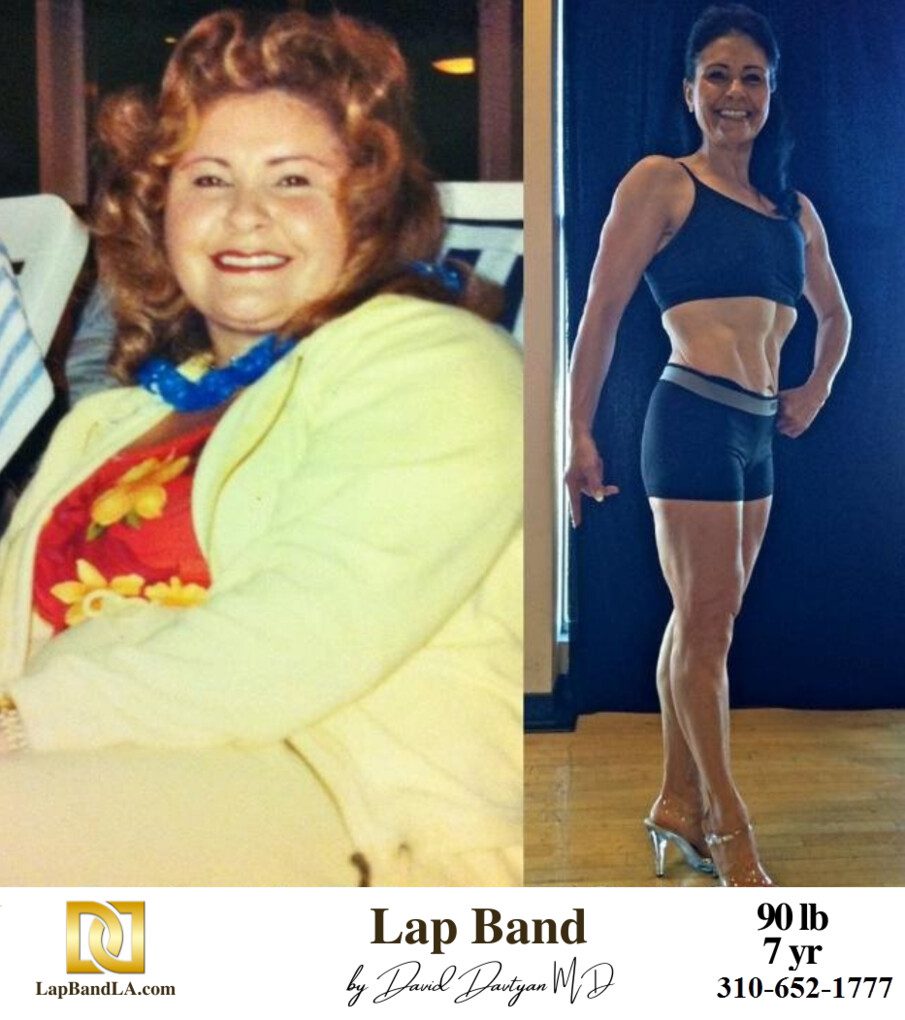
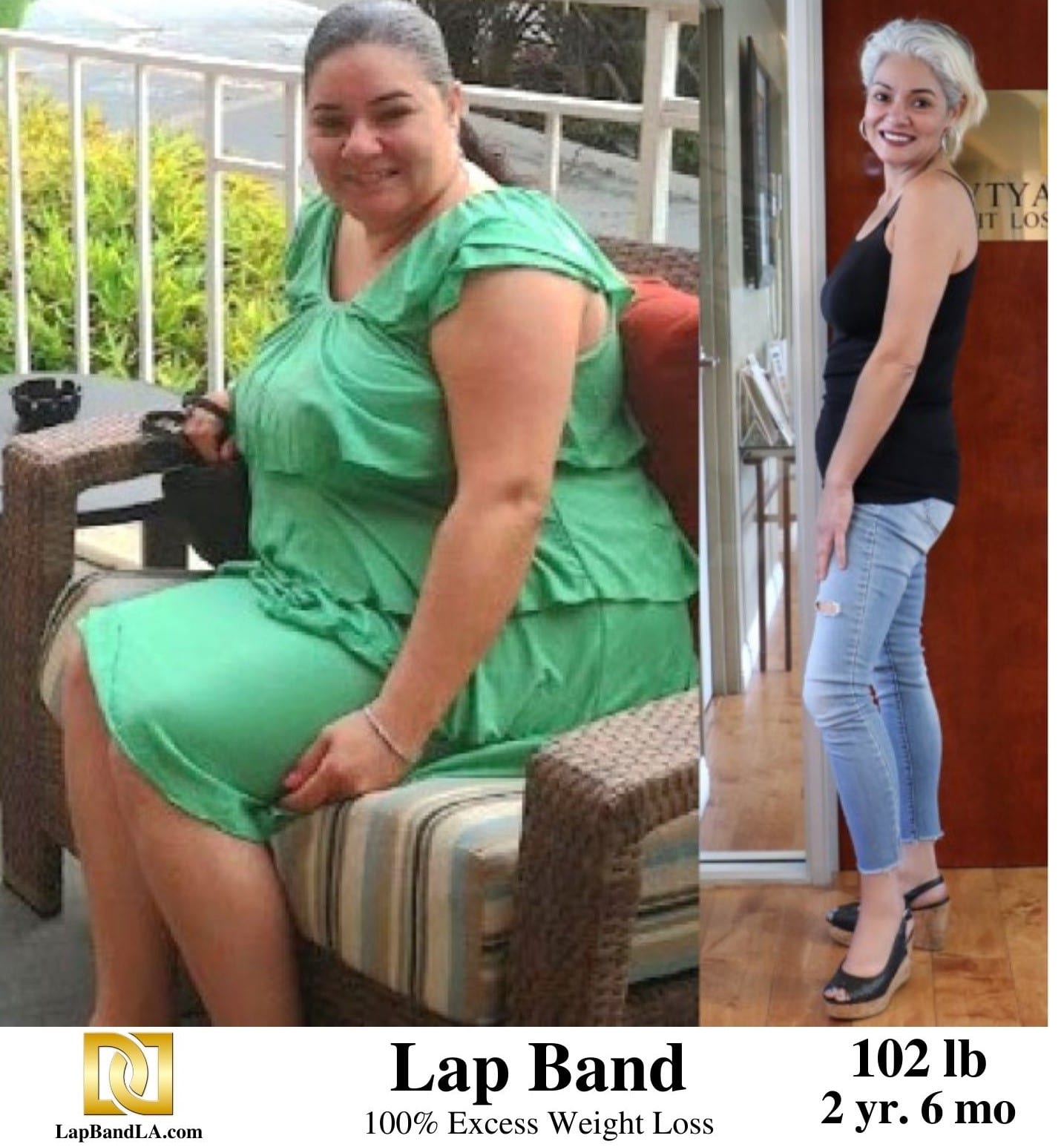
Significant weight loss can alter how patients view themselves. Some individuals experience increased confidence, while others may need time to adjust to their new appearance.
Body image concerns may arise due to:
- Loose skin after weight loss
• Rapid physical transformation
• Changing social dynamics
Support groups, counseling, and open communication with healthcare providers can help patients adjust to these changes.
Emotional Eating and Behavioral Changes
Many individuals struggling with obesity have used food as a coping mechanism for stress, anxiety, or emotional challenges.
After bariatric surgery, patients must develop healthier coping strategies because eating patterns change significantly.
Doctors often encourage patients to develop new habits such as:
- Mindful eating
• Stress management techniques
• Regular physical activity
• Behavioral counseling
Patients can also review diet after weight los


s surgery and exercise after bariatric surgery to support healthier routines.
Depression and Anxiety After Surgery
Although many patients experience improved mood after losing weight, some individuals may still struggle with depression or anxiety.
Possible causes may include:
• Major lifestyle adjustments
• Unrealistic expectations about weight loss
• Changes in social relationships
• Difficulty adapting to new habits
Recognizing these challenges early allows patients to seek support and develop effective coping strategies.
The Importance of Support Systems
Strong support systems can significantly improve long-term success after weight loss surgery.
Helpful support sources include:
- Family and friends
• Bariatric support groups
• Counseling or therapy
• Medical professionals
Patients who maintain strong support networks often experience better long-term outcomes.


Mental Health and Lifestyle Habits
Healthy lifestyle habits also support emotional well-being.
Doctors often recommend:
- Regular physical activity
• Balanced nutrition
• Adequate sleep
• Stress management techniques
These habits contribute to overall health and reinforce positive lifestyle changes after bariatric surgery.
Patients can also learn more about vitamins after weight loss surgery to maintain optimal physical health.
Mental Health and Obesity-Related Conditions
Improving mental well-being can also support recovery from obesity-related health conditions.
Many patients experience improvements in:
- Type 2 diabetes
• Sleep apnea
• High blood pressure
• Energy levels
Patients can learn more about obesity and diabetes and sleep apnea related to obesity.
Long-Term Emotional Wellness
Maintaining emotional health after bariatric surgery is just as important as maintaining physical health.
Patients who prioritize mental well-being often experience:
- Greater life satisfaction
• Better long-term weight maintenance
• Stronger coping skills
• Improved quality of life
With the right medical support, lifestyle changes, and emotional care, patients can experience lasting benefits from weight loss surgery.


Supporting Long-Term Success
Weight loss surgery is not only a physical transformation—it is also an emotional journey that requires patience, self-awareness, and support.
With comprehensive care and ongoing lifestyle guidance, patients can successfully navigate the emotional changes that accompany significant weight loss.
A consultation with Dr. David Davtyan can help patients prepare for both the physical and emotional aspects of life after bariatric surgery and develop a personalized plan for long-term health and well-being.


