diet

Diet After Weight Loss Surgery: Nutrition Guidelines for Long-Term Success

Nutrition is one of the most important factors in achieving and maintaining long-term success after bariatric surgery. Because weight loss procedures change how the stomach processes food, patients must adopt new eating habits that support healing, proper nutrition, and sustainable weight loss.

Understanding the diet after weight loss surgery helps patients avoid complications, maintain energy levels, and maximize the health benefits of their procedure.

At our practice, Dr. David Davtyan, MD, FACS, FICS, provides comprehensive post-surgical guidance to help patients transition to healthier eating patterns after bariatric surgery. Dr. Davtyan is board certified by the American Board of Surgery and the American Board of Obesity Medicine, and his approach includes personalized nutrition guidance as part of long-term weight management care.

Patients preparing for surgery can learn more about bariatric surgery preparation and what to expect during bariatric surgery recovery.

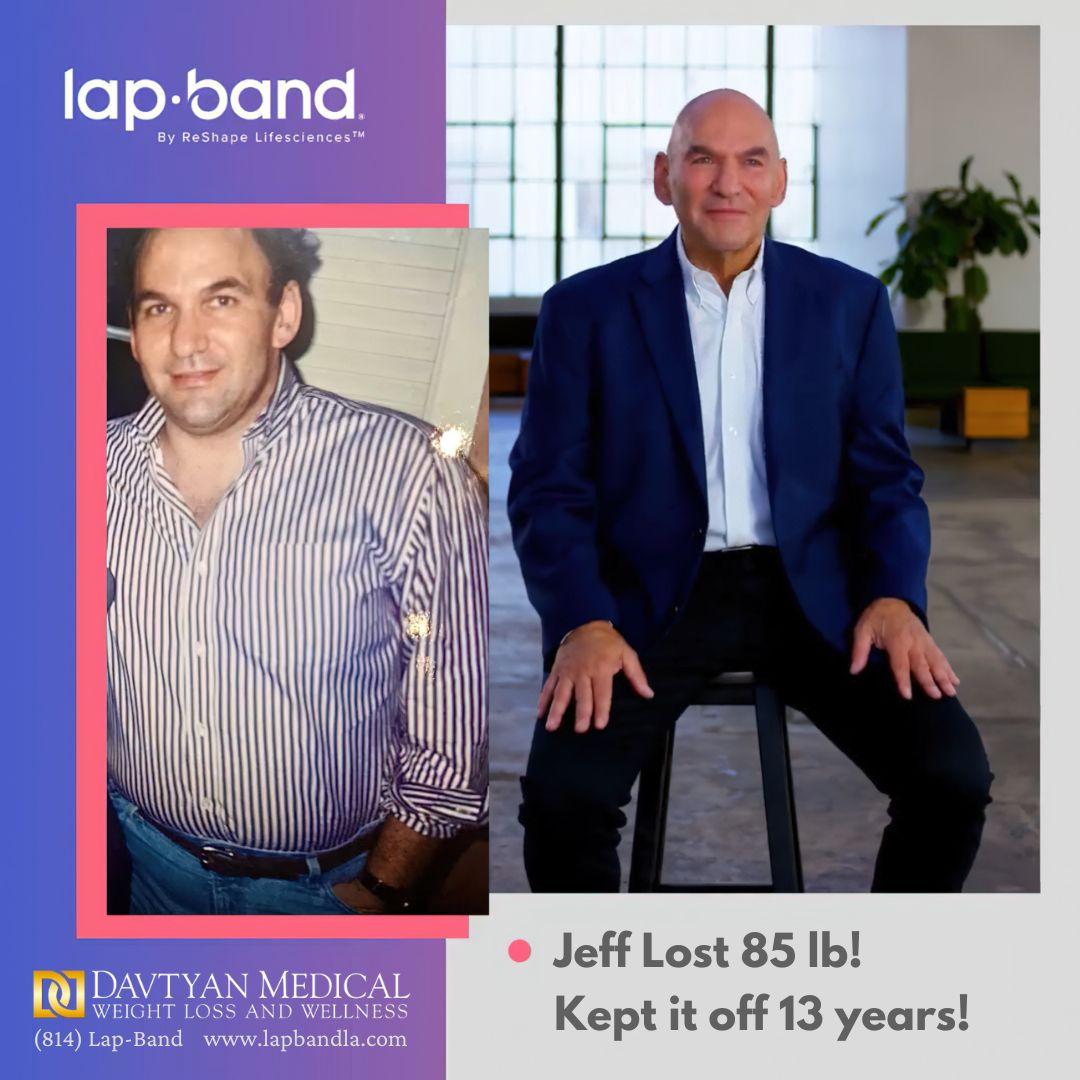
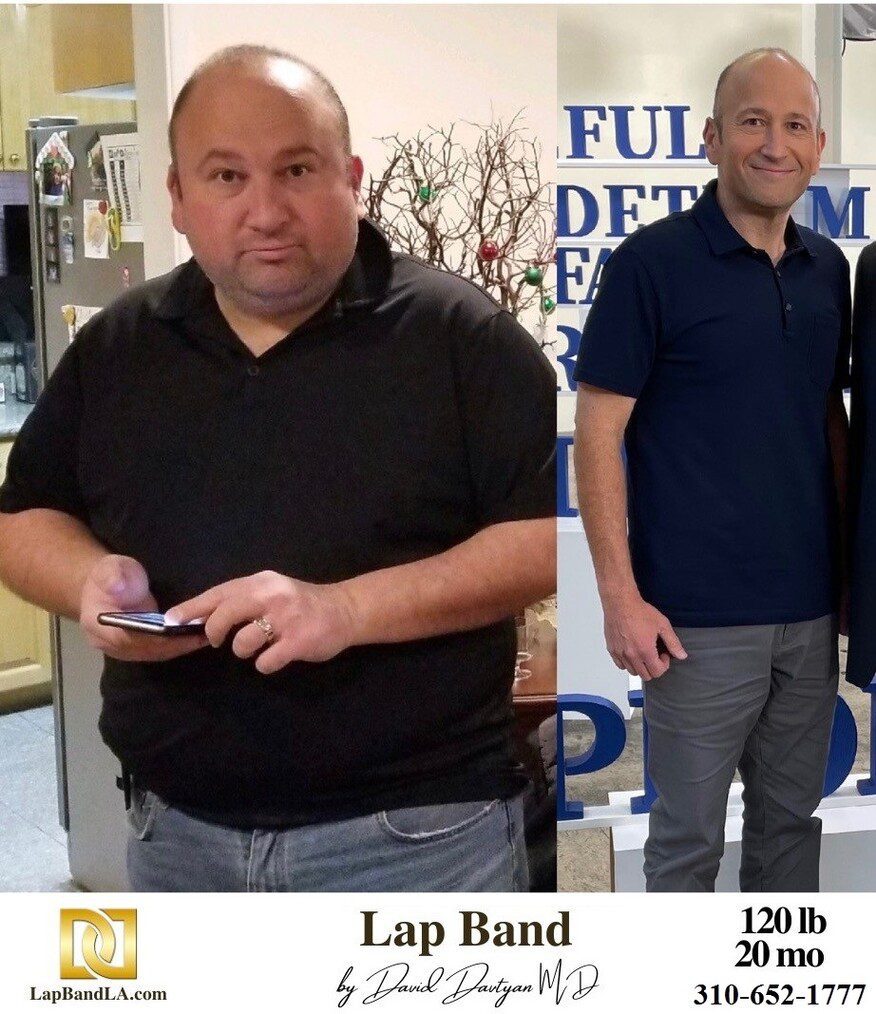
J Weiss weight loss transformation with lap-band surgery

Why Diet Changes Are Necessary After Bariatric Surgery

Weight loss procedures such as gastric sleeve surgery, Lap-Band surgery, and gastric balloon treatment reduce the stomach’s capacity and alter digestion.

Because the stomach becomes smaller, patients must focus on foods that provide essential nutrients in smaller portions.

Proper dietary habits help:

  • Support healing after surgery
    • Prevent digestive discomfort
    • Maintain healthy weight loss
    • Avoid nutritional deficiencies

Following recommended nutrition guidelines is essential for achieving the full benefits of bariatric surgery.

The Stages of Post-Surgery Diet

After bariatric surgery, patients typically progress through several dietary stages as the body heals and adapts.

Stage 1: Clear Liquid Diet

Immediately after surgery, patients begin with clear liquids to allow the stomach to heal.

Examples include:

  • Water
    • Broth
    • Sugar-free gelatin
    • Electrolyte beverages

This stage usually lasts several days.

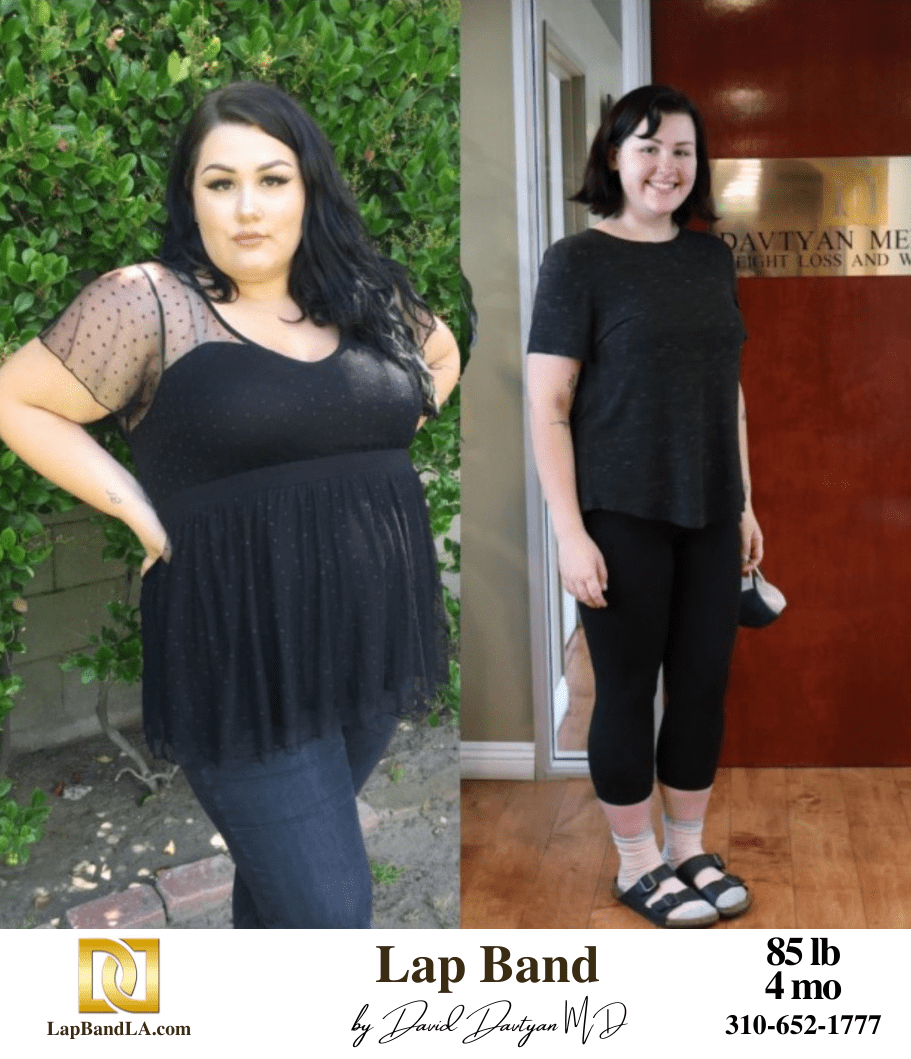
weight loss surgery rancho cucamonga before and after

Stage 2: Full Liquid Diet

The next phase introduces thicker liquids that provide more nutrition.

Examples include:

  • Protein shakes
    • Low-fat milk
    • Blended soups
    • Sugar-free yogurt drinks

Protein intake becomes especially important during this stage.

Stage 3: Pureed Foods

Once the stomach continues healing, patients can begin eating soft, blended foods.

Examples include:

  • Pureed vegetables
    • Blended lean meats
    • Scrambled eggs
    • Cottage cheese

Portions remain small and meals are eaten slowly.

Stage 4: Soft Foods

Soft foods are introduced gradually as the stomach adapts.

Examples include:

  • Soft vegetables
    • Tender chicken or fish
    • Soft fruits
    • Beans and legumes

Patients continue focusing on protein-rich foods.

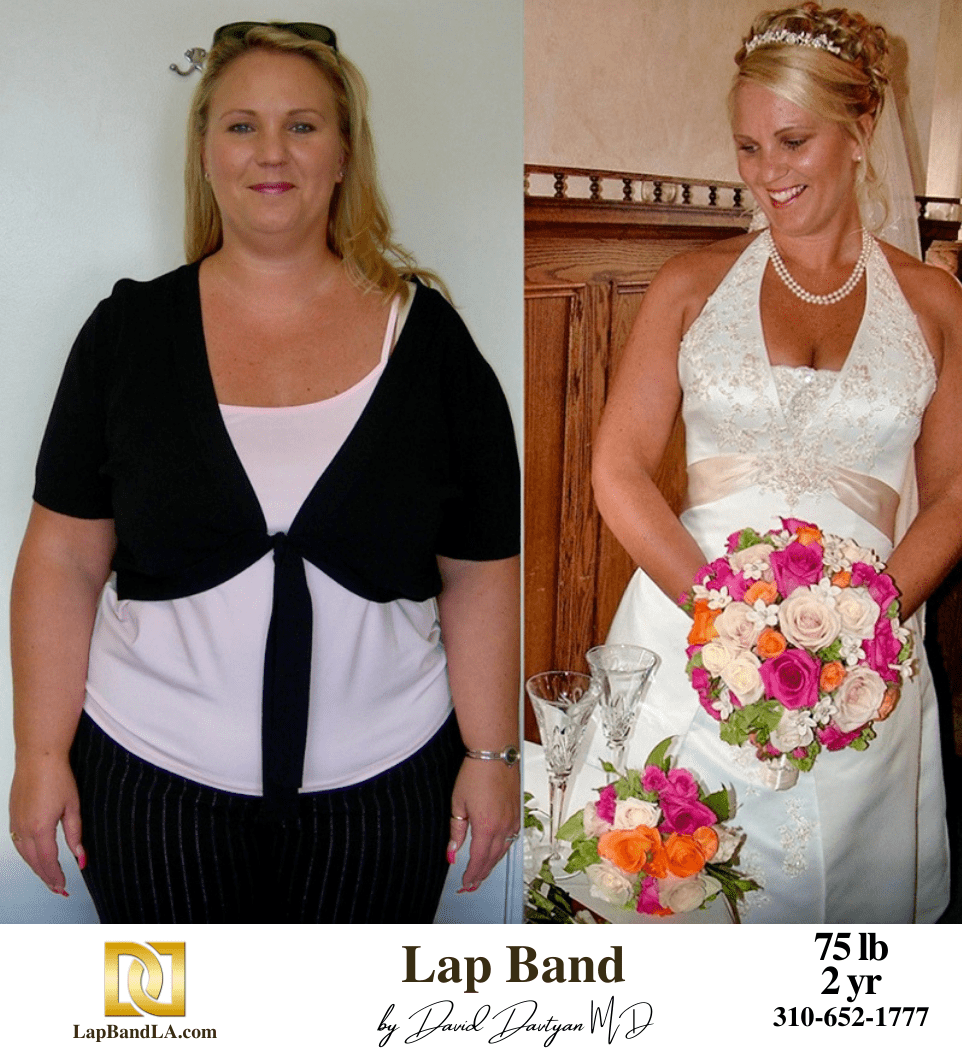
weight loss surgery rancho cucamonga before and after

Stage 5: Long-Term Healthy Diet

Eventually patients transition to a balanced long-term diet focused on nutrient-dense foods.

Healthy choices typically include:

  • Lean proteins
    • Vegetables
    • Whole grains
    • Healthy fats

Patients must still maintain smaller portion sizes than before surgery.

Protein Intake After Bariatric Surgery

Protein is one of the most important nutrients after weight loss surgery.

Adequate protein intake helps:

  • Preserve muscle mass
    • Support healing
    • Maintain metabolism

Doctors often recommend that patients prioritize protein at every meal.

Common protein sources include:

  • Lean chicken or fish
    • Eggs
    • Greek yogurt
    • Protein shakes
    • Legumes

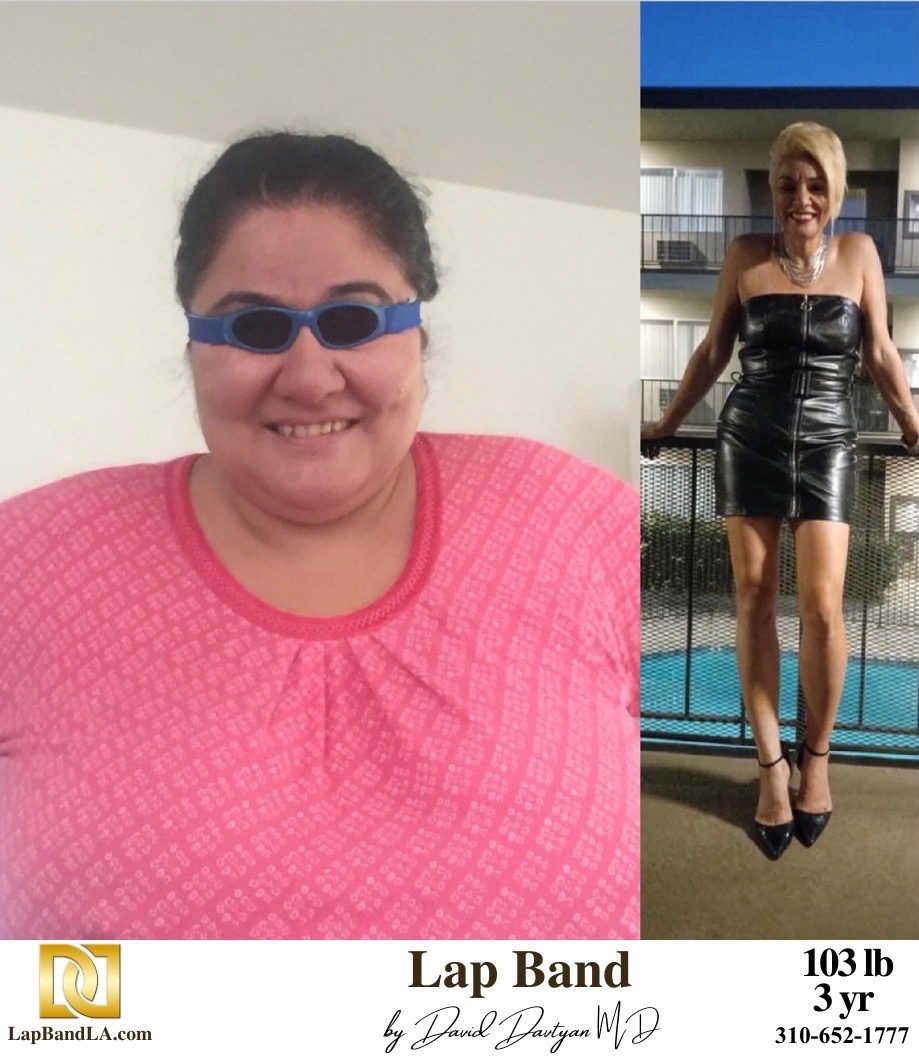
Dzovag Bariatric Surgery before and after los angeles

Hydration Guidelines

Proper hydration is essential after bariatric procedures.

Patients are typically advised to:

  • Drink water throughout the day
    • Avoid drinking during meals
    • Limit caffeine and sugary beverages
    • Avoid carbonated drinks

Staying hydrated helps support digestion and energy levels.

Foods to Avoid After Surgery

Certain foods may cause discomfort or interfere with weight loss progress.

Doctors often recommend avoiding:

  • Sugary foods and beverages
    • Highly processed foods
    • Fried foods
    • Carbonated drinks
    • Large portions

These foods can cause digestive issues and slow weight loss.

Preventing Nutritional Deficiencies

Because some bariatric procedures affect nutrient absorption, patients must monitor vitamin and mineral intake carefully.

Doctors often recommend:

  • Daily multivitamins
    • Calcium supplements
    • Vitamin B12
    • Iron supplements

Patients can learn more about vitamins after weight loss surgery.

weight loss surgery beverly hills before and after

Diet and Long-Term Weight Maintenance

Healthy eating habits play a crucial role in maintaining weight loss after surgery.

Patients who maintain successful weight loss often focus on:

  • Eating slowly
    • Avoiding emotional eating
    • Maintaining balanced meals
    • Staying physically active

Regular exercise also helps maintain results. Patients can review exercise after weight loss surgery.

Diet and Obesity-Related Health Conditions

Healthy eating habits after surgery can also improve obesity-related health conditions.

Many patients experience improvements in:

  • Type 2 diabetes
    • High blood pressure
    • Sleep apnea
    • Cholesterol levels

Patients can learn more about obesity and diabetes and sleep apnea related to obesity.

Long-Term Nutrition Success

Maintaining a healthy diet after bariatric surgery is essential for achieving lasting weight loss and improved overall health.

With proper medical guidance and long-term commitment to healthy eating habits, patients can sustain the life-changing results of bariatric surgery and enjoy improved health for years to come.

A consultation with Dr. David Davtyan can help patients develop a personalized nutrition plan designed to support long-term success after weight loss surgery.

Beverly Hills

map

436 North Bedford Dr. Suite 207Beverly Hills, CA 90210
Main: 310-652-1777
Toll Free: 877-9-BE-SLIM

Glendale

map

1141 N. Brand Blvd. #100Glendale, CA 91202
Main: 818-546-1500
Toll Free: 877-9-BE-SLIM

Rancho Cucamonga

map

8330 Red Oak Street, Suite 201Rancho Cucamonga, CA 91730
Main: 909-355-2525
Toll Free: 877-9-BE-SLIM

South Coast Lap-Band

map

10900 Warner Avenue, Suite 121Fountain Valley, CA 92708
Main: 714-777-7868
Toll Free: 877-9-BE-SLIM

Marina Del Rey Hospital

map

4650 Lincoln Blvd.,Marina Del Rey, CA 90292
Main: 310-652-1777
Toll Free: 877-9-BE-SLIM

Close

Schedule a FREE Discovery Call