


life after weight loss surgery
Life After Weight Loss Surgery: What to Expect Long Term
Weight loss surgery can be life-changing, but the procedure itself is only the beginning of a long-term health journey. Understanding life after weight loss surgery helps patients prepare for the physical, nutritional, and lifestyle changes that support lasting results.
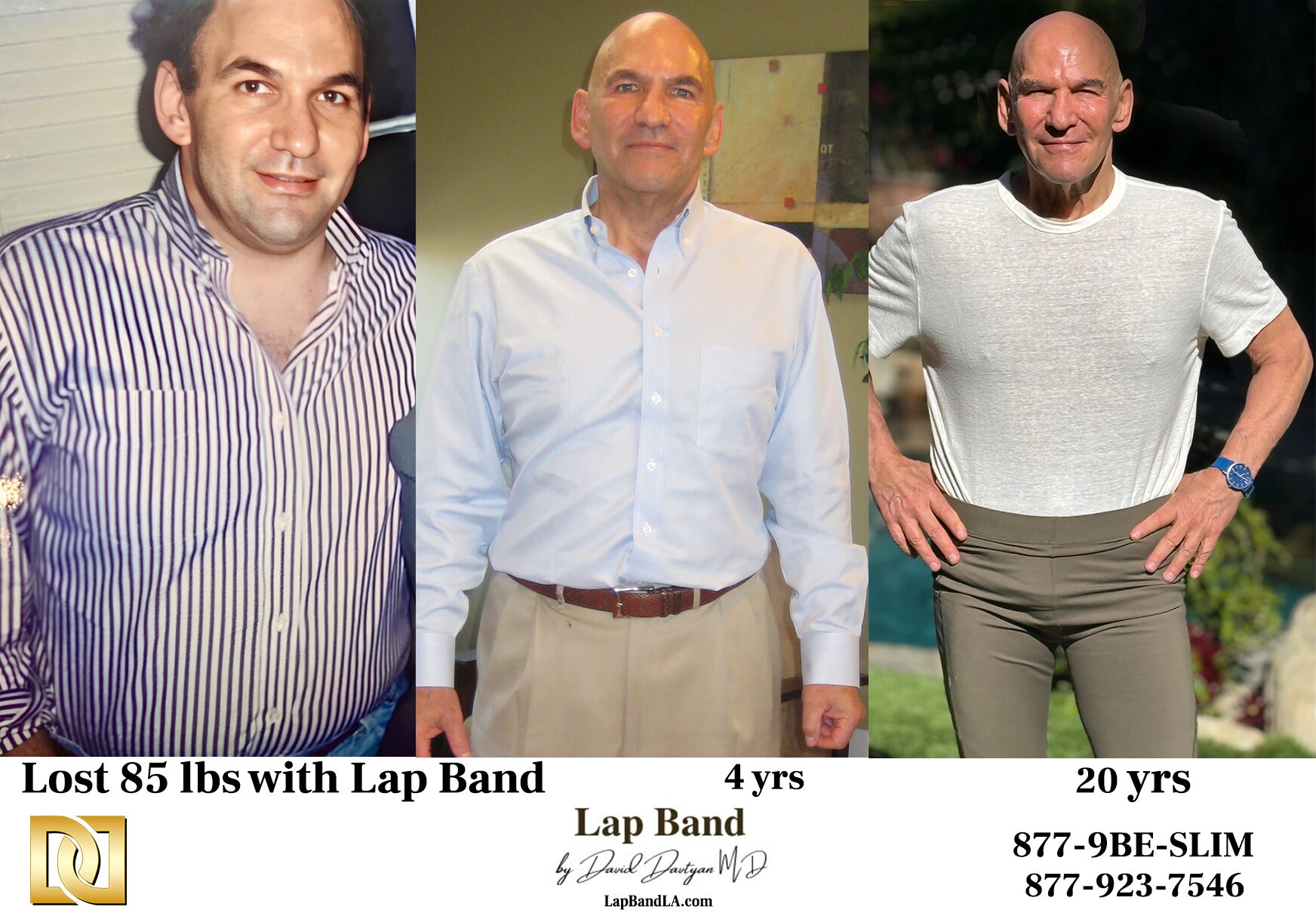
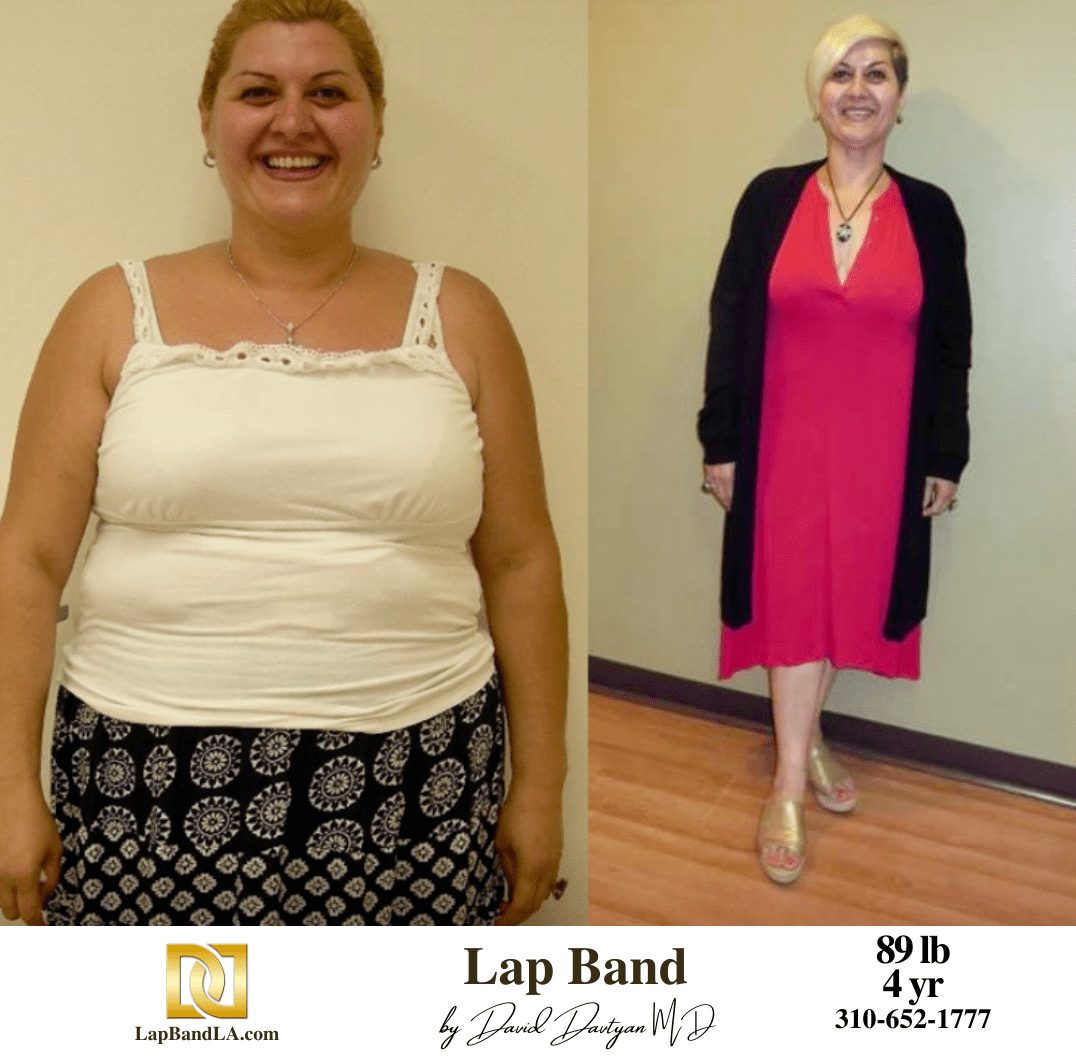
After bariatric procedures, patients often experience dramatic improvements in weight, mobility, and overall health. However, long-term success depends on maintaining healthy habits, following medical guidance, and committing to ongoing lifestyle changes.
At our practice, Dr. David Davtyan, MD, FACS, FICS, works closely with patients throughout every stage of their weight loss journey—from pre-surgical preparation to long-term follow-up care. Dr. Davtyan is board certified by the American Board of Surgery and the American Board of Obesity Medicine, and he takes a comprehensive approach that combines surgery, medical weight management, nutrition guidance, and lifestyle support.
Patients considering surgery can learn more about bariatric surgery options and procedures such as gastric sleeve surgery, gastric balloon treatment, and Lap-Band surgery.


How Life Changes After Weight Loss Surgery
Weight loss surgery changes how the body processes food and regulates hunger. Because of these changes, patients must adopt new habits to maintain health and prevent complications.
Common lifestyle adjustments include:
- Eating smaller portions
• Prioritizing protein-rich foods
• Drinking fluids throughout the day
• Taking recommended vitamin supplements
• Maintaining regular medical follow-up visits
These adjustments help ensure that patients receive proper nutrition while continuing to lose weight safely.
Patients preparing for surgery can also review how to prepare for bariatric surgery and understand the bariatric surgery recovery process.


Long-Term Diet After Weight Loss Surgery
Nutrition plays a major role in maintaining long-term success after bariatric procedures.
Because the stomach is smaller after surgery, patients must focus on nutrient-dense foods that provide adequate protein, vitamins, and minerals.
Typical dietary guidelines include:
- Eating small, balanced meals
• Avoiding high-sugar foods
• Prioritizing lean protein sources
• Staying hydrated
• Avoiding carbonated beverages
Patients can learn more about post-surgery diet guidelines to support healthy weight maintenance.


Exercise After Weight Loss Surgery
Regular physical activity is another essential part of life after bariatric surgery.
Exercise helps:
- Maintain weight loss
• Improve cardiovascular health
• Increase muscle strength
• Boost energy levels
Most patients gradually increase their activity levels after surgery, starting with walking and progressing to more structured exercise routines.
Patients can review exercise recommendations after weight loss surgery to build sustainable activity habits.
Vitamin and Nutritional Supplements
Because bariatric procedures can affect how the body absorbs nutrients, patients typically need lifelong vitamin supplementation.
Common supplements may include:
- Vitamin B12
• Iron
• Calcium
• Vitamin D
• Multivitamins
These supplements help prevent nutritional deficiencies and support overall health.
Patients can learn more about vitamins after weight loss surgery.


Mental and Emotional Health
Weight loss surgery can also bring emotional and psychological changes.
Some patients experience increased confidence and improved quality of life, while others may need time to adjust to new body image and lifestyle habits.
Maintaining emotional well-being is an important part of long-term success.
Patients may benefit from counseling or support groups and can learn more about mental health after weight loss surgery.
Maintaining Long-Term Weight Loss
Although bariatric surgery is a powerful tool, maintaining long-term weight loss requires continued commitment to healthy habits.
Patients who maintain successful weight loss often focus on:
- Balanced nutrition
• Regular physical activity
• Routine medical checkups
• Ongoing behavioral support
Following these guidelines helps patients sustain the benefits of bariatric surgery and avoid potential complications.
Managing Health Conditions After Surgery
Many patients experience major improvements in obesity-related conditions after weight loss surgery.
Common health improvements include:
- Better blood sugar control
• Reduced blood pressure
• Improved sleep apnea symptoms
• Reduced joint pain
Patients can learn more about how weight loss affects conditions such as obesity-related diabetes and sleep apnea associated with obesity.


A Lifelong Journey Toward Better Health
Life after weight loss surgery is a long-term journey focused on health, wellness, and sustainable habits. With the right medical support and lifestyle changes, many patients experience dramatic improvements in both physical and emotional well-being.
A consultation with Dr. David Davtyan can help patients understand what to expect before and after surgery and develop a personalized plan for long-term success following bariatric surgery.


