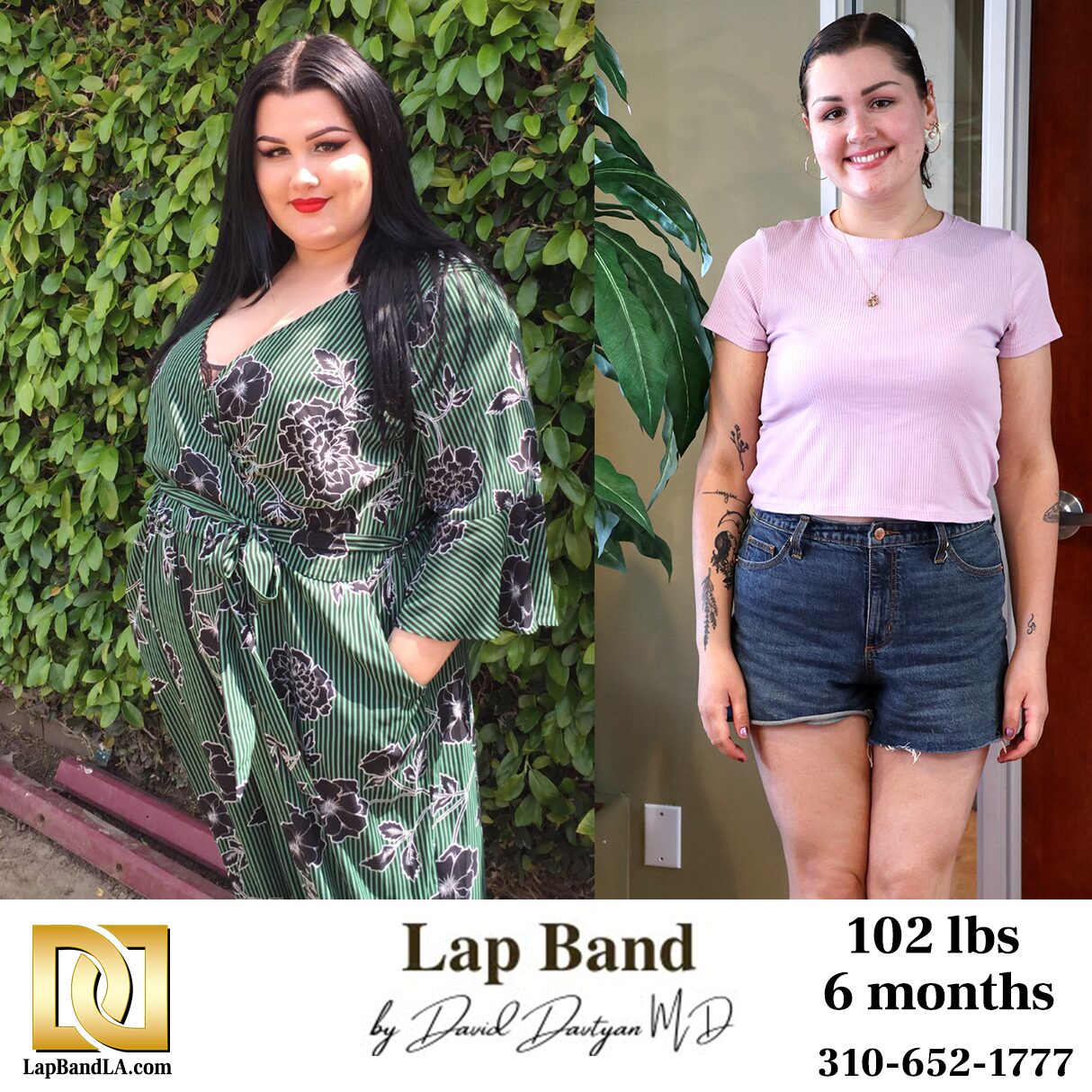
vs lapband

Gastric Sleeve vs Lap-Band: Comparing Weight Loss Surgery Options

Patients considering bariatric surgery often compare gastric sleeve vs Lap-Band surgery to determine which procedure may be the best option for long-term weight loss. Both procedures are designed to help patients reduce food intake and improve metabolic health, but they work in different ways and may be recommended for different individuals.

At our Los Angeles practice, Dr. David Davtyan, MD, FACS, FICS, helps patients evaluate their surgical options and choose the treatment that best fits their health needs and weight loss goals. Dr. Davtyan is board certified by the American Board of Surgery and the American Board of Obesity Medicine and has decades of experience performing minimally invasive bariatric procedures.

Dr. Davtyan completed his medical education at the UCLA School of Medicine and received advanced surgical training at leading institutions including M.D. Anderson Cancer Center and the John Wayne Cancer Institute. His experience in obesity treatment and complex surgery allows him to help patients safely achieve sustainable weight loss.

Patients researching procedures may also wish to explore gastric sleeve surgery and the broader field of bariatric surgery.

struggling with obesity and related health conditions, bariatric surgery can be a life-changing medical solution. These procedures are designed to help patients achieve significant and sustainable weight loss while improving overall health and quality of life.

At our Los Angeles practice, Dr. David Davtyan, MD, FACS, FICS, provides advanced surgical and medical treatments for obesity using the latest minimally invasive techniques. Dr. Davtyan is board certified by the American Board of Surgery and the American Board of Obesity Medicine, and has helped thousands of patients safely lose weight and improve their health through comprehensive obesity treatment programs.

Dr. Davtyan received his medical education at the UCLA School of Medicine and completed extensive surgical training at world-renowned institutions including M.D. Anderson Cancer Center and the John Wayne Cancer Institute. His background in complex surgical oncology and minimally invasive surgery allows him to offer highly advanced and precise bariatric procedures.

Today, patients can benefit from modern weight loss surgery options that are safer, minimally invasive, and supported by multidisciplinary programs designed to promote long-term success.

If you’re considering surgical weight loss, understanding how bariatric procedures work, who qualifies, and what results to expect can help you make an informed decision.

What Is Gastric Sleeve Surgery?

Gastric sleeve surgery, also known as sleeve gastrectomy, is one of the most widely performed bariatric procedures today.

During the procedure:

  • About 75–80% of the stomach is removed
    • The remaining stomach forms a narrow sleeve shape
    • The digestive tract remains unchanged

Because the stomach is smaller, patients feel full faster and naturally consume fewer calories.

Patients can learn more about how gastric sleeve surgery works.

What Is Lap-Band Surgery?

Lap-Band surgery, also called adjustable gastric banding, works differently from sleeve gastrectomy.

During the procedure:

  • A silicone band is placed around the upper portion of the stomach
    • The band creates a small stomach pouch
    • The band can be adjusted to control food intake

Unlike gastric sleeve surgery, the stomach is not removed, and the procedure is considered reversible.

Patients can explore Lap-Band surgery and how this treatment option works.

Key Differences Between Gastric Sleeve and Lap-Band

Although both procedures help patients lose weight, they differ in several important ways.


Surgical Approach

Gastric Sleeve Surgery

  • Removes a portion of the stomach
    • Permanently reduces stomach size
    • Alters hunger hormones

Lap-Band Surgery

  • Places an adjustable band around the stomach
    • Does not remove stomach tissue
    • Restricts food intake mechanically

Weight Loss Results

Both procedures help patients lose weight, but gastric sleeve surgery typically produces greater long-term weight loss.

Average results include:

  • Gastric sleeve: 50–70% excess weight loss
    Lap-Band: 40–60% excess weight loss

Patients can explore real gastric sleeve results and view bariatric surgery before and after results.

Appetite and Hormonal Changes

Gastric sleeve surgery reduces levels of ghrelin, the hormone responsible for hunger. This can help patients feel less hungry after surgery.

Lap-Band surgery does not directly affect hunger hormones and relies primarily on physical restriction of the stomach.

Patients can learn more about the benefits of gastric sleeve surgery and the overall benefits of bariatric surgery.

Adjustability and Reversibility

Lap-Band surgery offers the advantage of adjustability. The band can be tightened or loosened over time depending on weight loss progress.

Gastric sleeve surgery, on the other hand, is permanent because part of the stomach is removed.

Each option has advantages, and a bariatric specialist can help determine which procedure is most appropriate.

Risks and Complications

Both procedures carry potential risks, though they differ depending on the surgical approach.

Possible complications may include:

  • Infection
    • Digestive changes
    • Nutritional deficiencies

Lap-Band procedures may also involve:

• Band slippage
• Band erosion
• Additional adjustment procedures

Patients should review the risks of gastric sleeve surgery and the broader risks of bariatric surgery before deciding on treatment.

Recovery After Surgery

Both gastric sleeve and Lap-Band procedures are typically performed using minimally invasive laparoscopic techniques.

Most patients can return to normal daily activities within a few weeks.

Patients can learn more about gastric sleeve recovery and general bariatric surgery recovery.

Which Procedure Is Right for You?

Choosing between gastric sleeve and Lap-Band surgery depends on several factors, including:

  • Body Mass Index (BMI)
    • Existing medical conditions
    • Long-term weight loss goals
    • Lifestyle habits and preferences

Doctors carefully evaluate these factors before recommending a procedure.

Patients can learn more about gastric sleeve surgery candidates and who qualifies for bariatric surgery.

Expert Guidance for Weight Loss Surgery

Comparing gastric sleeve vs Lap-Band surgery is an important step when considering bariatric treatment.

During consultation, Dr. David Davtyan reviews each patient’s medical history, discusses surgical options, and helps determine whether gastric sleeve surgery or another procedure may provide the best long-term results.

With the right medical guidance and lifestyle support, many patients achieve life-changing weight loss and improved health.

Beverly Hills

map

436 North Bedford Dr. Suite 207Beverly Hills, CA 90210
Main: 310-652-1777
Toll Free: 877-9-BE-SLIM

Glendale

map

1141 N. Brand Blvd. #100Glendale, CA 91202
Main: 818-546-1500
Toll Free: 877-9-BE-SLIM

Rancho Cucamonga

map

8330 Red Oak Street, Suite 201Rancho Cucamonga, CA 91730
Main: 909-355-2525
Toll Free: 877-9-BE-SLIM

South Coast Lap-Band

map

10900 Warner Avenue, Suite 121Fountain Valley, CA 92708
Main: 714-777-7868
Toll Free: 877-9-BE-SLIM

Marina Del Rey Hospital

map

4650 Lincoln Blvd.,Marina Del Rey, CA 90292
Main: 310-652-1777
Toll Free: 877-9-BE-SLIM

Close

Schedule a FREE Discovery Call