



vs balloon
Lap-Band vs Gastric Balloon: Which Weight Loss Option Is Better?
Patients exploring weight loss treatments often compare Lap-Band vs gastric balloon procedures to determine which option may be the best fit for their health needs and lifestyle. Both treatments help patients lose weight by reducing how much food the stomach can hold, but they differ significantly in how they are performed, how long they last, and the amount of weight loss patients can expect.
Understanding these differences can help patients make an informed decision about their weight loss journey.
At our practice, Dr. David Davtyan, MD, FACS, FICS, helps patients evaluate both surgical and non-surgical weight loss options. Dr. Davtyan is board certified by the American Board of Surgery and the American Board of Obesity Medicine and has extensive experience treating obesity through a comprehensive, multidisciplinary approach.
Dr. Davtyan received his medical training at the UCLA School of Medicine and completed advanced surgical training at renowned institutions including M.D. Anderson Cancer Center and the John Wayne Cancer Institute. His experience in both bariatric surgery and medical weight management allows him to recommend the safest and most effective treatment plan for each patient.
Patients who want to explore all available procedures can also review bariatric surgery options.
What Is Lap-Band Surgery?
Lap-Band surgery is a minimally invasive bariatric procedure that involves placing an adjustable silicone band around the upper portion of the stomach.
The band creates a small pouch that fills quickly during meals, helping patients feel full sooner and reduce food intake.
One of the unique features of the Lap-Band procedure is that the band can be adjusted after surgery to help optimize weight loss.
Patients can learn more about how Lap-Band surgery works and how adjustments support long-term results.
What Is a Gastric Balloon?
The gastric balloon procedure is a non-surgical weight loss treatment in which a soft balloon is placed inside the stomach to reduce available space.
The balloon helps patients feel full sooner and eat smaller portions.
Unlike surgical procedures, gastric balloons are temporary devices that remain in the stomach for several months before removal.
Patients can learn more about how the gastric balloon works.
Key Differences Between Lap-Band and Gastric Balloon
Although both procedures aim to support weight loss, they differ in several important ways.
Surgical vs Non-Surgical Treatment
- Requires laparoscopic surgery
- Band remains in place long-term
- Adjustable over time
- Non-surgical procedure
- Temporary device
- Balloon removed after several months
Patients can explore gastric balloon recovery and Lap-Band surgery recovery to understand how the procedures differ.
Weight Loss Results
Weight loss results can vary depending on the treatment chosen.
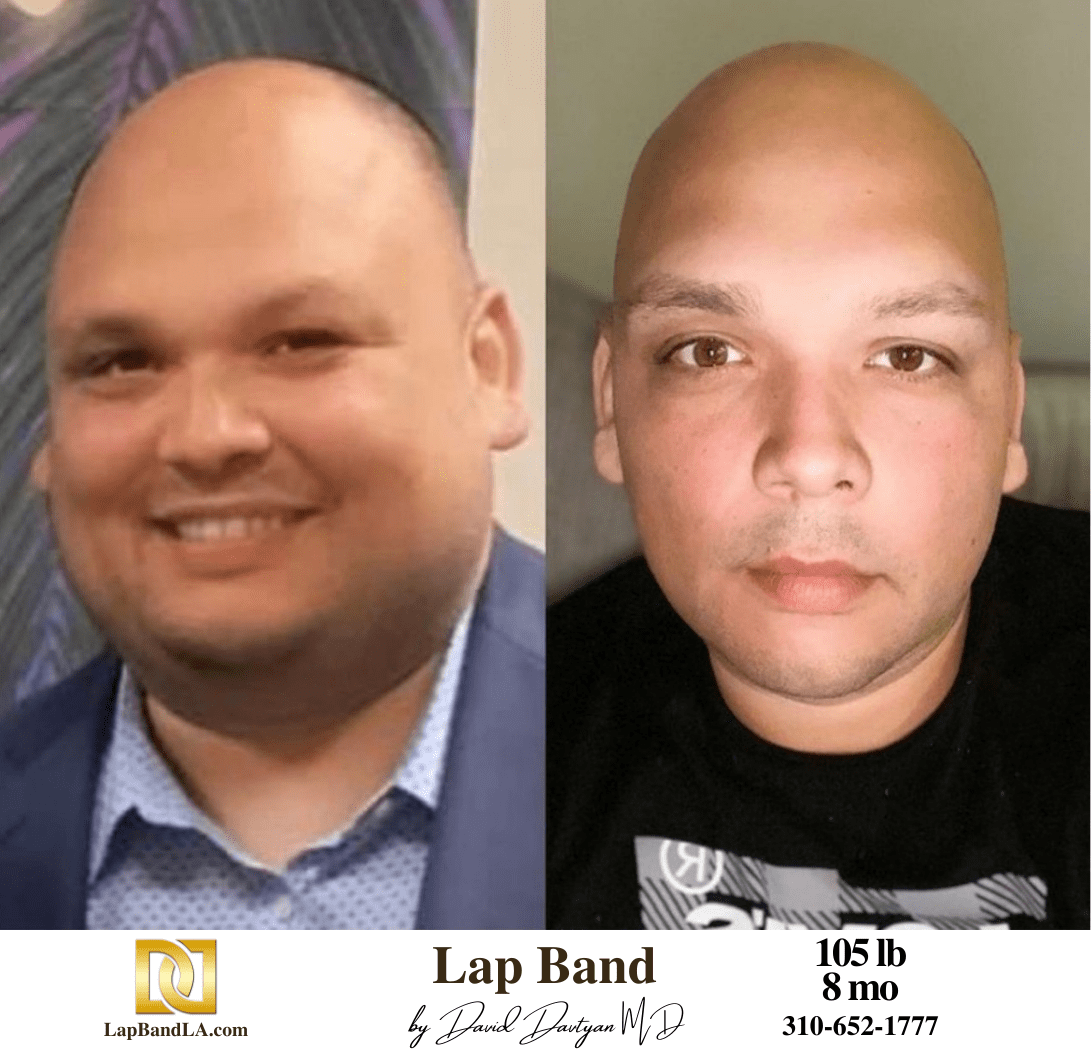
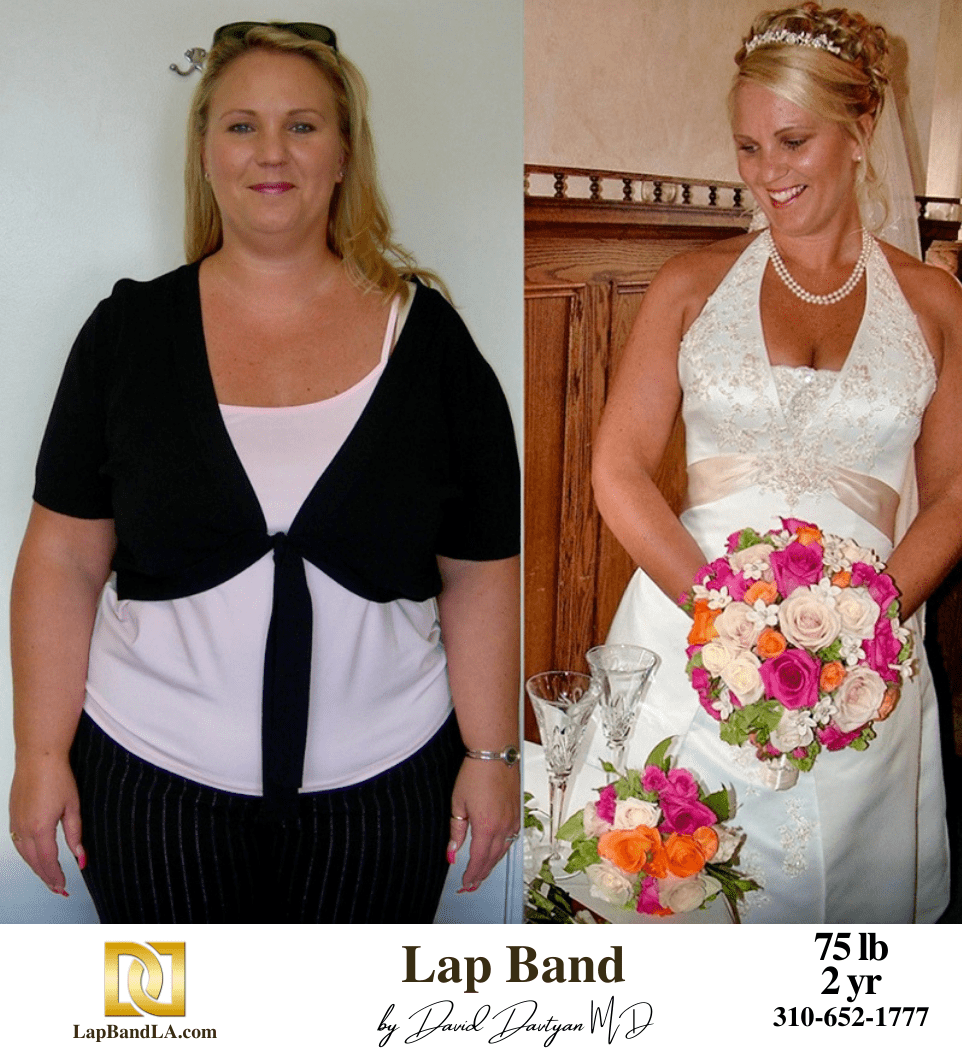
Patients often lose 40–60% of excess body weight
Patients can review Lap-Band surgery results.
- Patients typically lose 10–15% of total body weight
Patients can explore gastric balloon results.
Duration of Treatment
Another key difference between the procedures is how long they remain in place.
- Designed for long-term use
- Can remain in place for many years
- Adjustable during follow-up visits
- Temporary treatment
- Usually removed after 4–6 months depending on the device
Patients can review gastric balloon safety to learn more about balloon treatment duration.
Adjustability
One advantage of Lap-Band surgery is that the restriction can be modified.
Doctors perform Lap-Band adjustments to tighten or loosen the band based on the patient’s progress.
Gastric balloons do not offer this type of adjustment.
Who Is a Candidate for Each Procedure?
Doctors evaluate several factors before recommending a weight loss treatment.
Lap-Band Candidates
Lap-Band surgery may be recommended for patients who:
- Have a BMI of 35 or higher
- Have obesity-related health conditions
- Need long-term weight loss support
Patients can learn more about Lap-Band candidates.
Gastric Balloon Candidates
The gastric balloon may be recommended for patients who:
- Have a BMI between 30 and 40
- Prefer a non-surgical weight loss option
- Need assistance developing healthier eating habits
Patients can review bariatric surgery candidate guidelines for additional information.
Advantages of Lap-Band Surgery
Lap-Band surgery offers several potential benefits.
- Adjustable restriction
- Long-term treatment option
- No permanent stomach removal
- Can be removed if necessary
Patients can review the benefits of Lap-Band surgery.
Advantages of Gastric Balloon Treatment
The gastric balloon may be appealing for patients who prefer a non-surgical approach.
Benefits may include:
- No surgical incisions
- Shorter recovery time
- Temporary and reversible treatment
Patients can learn more about the benefits of gastric balloon treatment if applicable.
Choosing the Right Weight Loss Option
Choosing between Lap-Band vs gastric balloon treatment depends on several factors including:
- Body Mass Index (BMI)
- Long-term weight loss goals
- Medical history
- Preference for surgical vs non-surgical treatment
Some patients may also wish to compare these treatments with gastric sleeve surgery to evaluate all available options.
Take the Next Step Toward Weight Loss
Both Lap-Band surgery and gastric balloon treatment can help patients achieve meaningful weight loss when combined with healthy lifestyle changes and medical support.
A consultation with Dr. David Davtyan allows patients to review their medical history, discuss treatment options, and determine whether Lap-Band surgery or gastric balloon treatment is the most appropriate path toward long-term weight loss success.