



how it works
How Lap-Band Surgery Works: Adjustable Gastric Band Procedure Explained
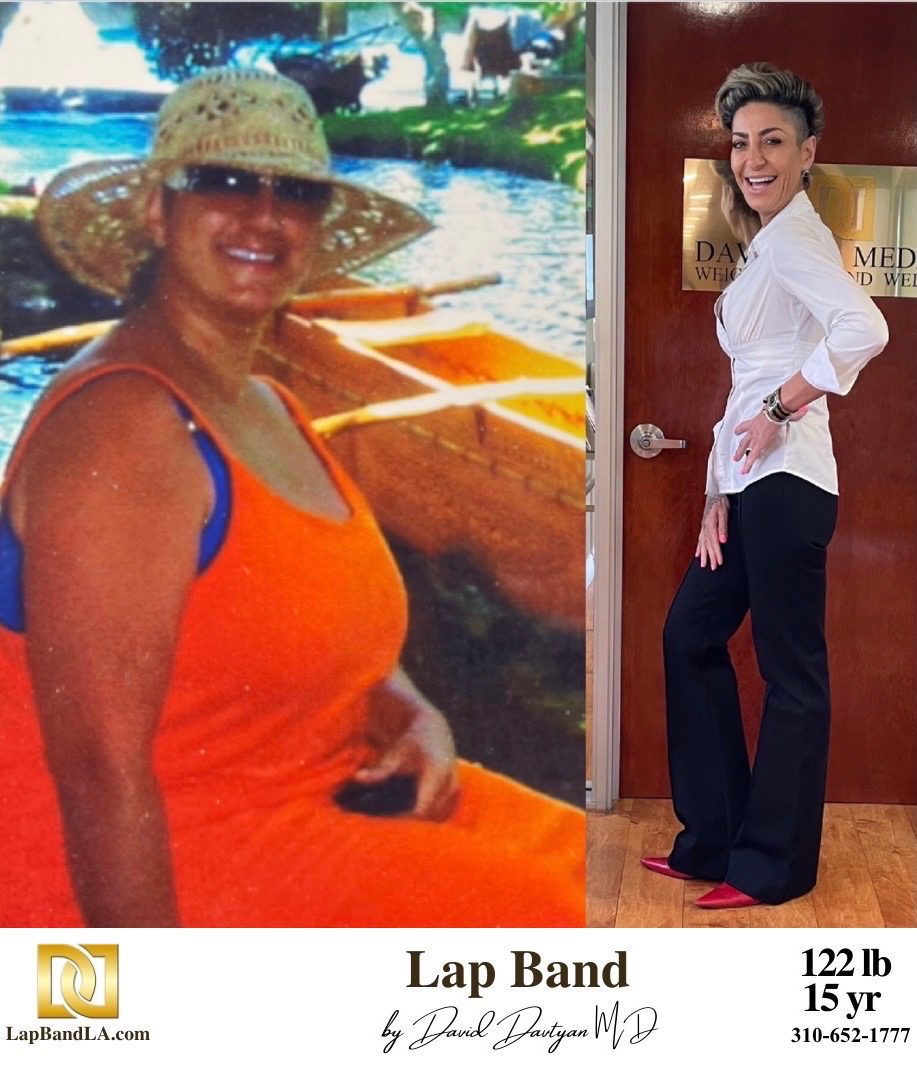
Many patients considering weight loss surgery want to understand how Lap-Band surgery works. Lap-Band surgery, also known as adjustable gastric banding, is a minimally invasive bariatric procedure designed to help patients lose weight by limiting how much food the stomach can hold.
The procedure involves placing an adjustable silicone band around the upper portion of the stomach. This creates a smaller stomach pouch that fills quickly during meals, helping patients feel full sooner and naturally reduce food intake.
At our practice, Dr. David Davtyan, MD, FACS, FICS, provides comprehensive bariatric treatment including Lap-Band surgery as part of a personalized weight loss program. Dr. Davtyan is board certified by the American Board of Surgery and the American Board of Obesity Medicine, with decades of experience performing minimally invasive and bariatric procedures.
Dr. Davtyan received his medical education at the UCLA School of Medicine and completed advanced surgical training at leading institutions including M.D. Anderson Cancer Center and the John Wayne Cancer Institute. His extensive experience allows him to guide patients toward the safest and most effective weight loss treatments.
Patients who are exploring surgical options may also want to learn more about bariatric surgery procedures and alternatives such as gastric sleeve surgery.
What Is Lap-Band Surgery?
Lap-Band surgery is a restrictive weight loss procedure, meaning it works by limiting the amount of food that can be eaten at one time.
During the procedure, an adjustable band is placed around the upper portion of the stomach, creating a small pouch above the band. Food enters this pouch first, which causes patients to feel full sooner.
Because the stomach pouch fills quickly, patients typically:
- Eat smaller meals
- Reduce calorie intake
- Feel satisfied sooner during meals
Unlike procedures such as gastric sleeve surgery, Lap-Band surgery does not permanently remove part of the stomach or alter the digestive system.
This makes it one of the most flexible bariatric procedures available.
Step-by-Step Lap-Band Surgery Procedure
Lap-Band surgery is performed using laparoscopic (minimally invasive) techniques, which allow surgeons to perform the operation through small incisions in the abdomen.
The procedure generally involves several steps.
1. Small Incisions Are Made
The surgeon makes several small incisions in the abdomen to insert laparoscopic instruments and a tiny camera.
This camera allows the surgeon to view the stomach during the procedure.
2. Placement of the Adjustable Band
A soft silicone band is placed around the upper portion of the stomach. The band creates a small stomach pouch above it.
This pouch holds a limited amount of food, helping patients feel full faster.
3. Placement of the Access Port
A small access port is placed under the skin of the abdomen and connected to the band by thin tubing.
This port allows doctors to adjust the tightness of the band after surgery.
4. Completing the Procedure
The surgery typically takes 30–60 minutes, and most patients are able to return home the same day.
Patients can learn more about the Lap-Band recovery process after surgery.
How the Adjustable Band Works
One of the unique features of Lap-Band surgery is its adjustability.
After surgery, the band can be tightened or loosened to control how much food passes through the stomach.
Doctors adjust the band by injecting or removing saline through the small port located under the skin.
Tightening the band:
- Increases restriction
- Slows food movement through the stomach
- Helps patients feel full sooner
Loosening the band:
- Reduces restriction
- Allows food to pass more easily
Patients can learn more about Lap-Band adjustments and how they help optimize weight loss.
How Lap-Band Surgery Promotes Weight Loss
Lap-Band surgery helps patients lose weight through several mechanisms.
Portion Control
Because the stomach pouch is smaller, patients naturally eat smaller meals.
Reduced Hunger Between Meals
Slower digestion and smaller portions help reduce frequent hunger.
Behavioral Changes
Patients learn to adopt healthier eating habits, including:
- Eating slowly
- Chewing food thoroughly
- Choosing nutrient-dense foods
These habits play a major role in long-term success.
Patients can learn more about expected Lap-Band surgery results.
Advantages of Lap-Band Surgery
Compared with other bariatric procedures, Lap-Band surgery offers several advantages.
Adjustable Treatment
The band can be modified over time to support weight loss progress.
Minimally Invasive Surgery
The laparoscopic technique allows for smaller incisions and faster recovery.
No Permanent Stomach Changes
Unlike procedures such as gastric sleeve surgery, the stomach is not permanently altered.
Reversible Procedure
If necessary, the band can be removed.
These features make Lap-Band surgery a suitable option for certain patients seeking a flexible weight loss treatment.
Who Is a Candidate for Lap-Band Surgery?
Lap-Band surgery may be recommended for patients who:
- Have a BMI of 35 or higher
- Have obesity-related health conditions
- Have struggled with long-term weight loss
Doctors evaluate each patient’s medical history and health goals before recommending surgery.
Patients can learn more about Lap-Band surgery candidates by reviewing the broader bariatric surgery candidate guidelines.
Comparing Lap-Band Surgery With Other Procedures
When choosing a weight loss procedure, patients often compare Lap-Band surgery with other bariatric treatments.
For example:
Each procedure has advantages depending on the patient’s health status and weight loss goals.
Long-Term Success After Lap-Band Surgery
Weight loss surgery is a powerful medical tool, but long-term success requires commitment to lifestyle changes.
Patients are encouraged to maintain:
- Balanced nutrition
- Regular physical activity
- Follow-up medical appointments
- Proper band adjustments
Following these guidelines helps patients maintain long-term weight loss and improve overall health.
Learn More About Lap-Band Surgery
Understanding how Lap-Band surgery works helps patients make informed decisions about their weight loss treatment options.
A consultation with Dr. David Davtyan allows patients to review their medical history, explore bariatric procedures, and determine whether Lap-Band surgery is the right solution for achieving sustainable weight loss.