


risks

Risks of Bariatric Surgery: Understanding Potential Complications

While weight loss procedures can provide life-changing health benefits, it is important for patients to understand the risks of bariatric surgery. Like any surgical procedure, bariatric surgery carries potential complications that should be carefully discussed with a qualified medical professional.

At our Los Angeles practice, Dr. David Davtyan, MD, FACS, FICS, ensures that every patient receives a thorough evaluation and clear understanding of both the benefits and potential risks before undergoing surgery. Dr. Davtyan is board certified by the American Board of Surgery and the American Board of Obesity Medicine, and has extensive experience performing minimally invasive bariatric procedures designed to improve safety and long-term outcomes.

Dr. Davtyan completed his medical education at the UCLA School of Medicine and received advanced surgical training at prestigious institutions including M.D. Anderson Cancer Center and the John Wayne Cancer Institute. His background in complex surgery and metabolic disease treatment allows him to carefully assess surgical risk and provide individualized care for every patient.

Fortunately, modern bariatric techniques are safer than ever. When performed by experienced surgeons and combined with proper medical care, most patients experience successful outcomes with minimal complications.

Understanding potential risks helps patients make informed decisions and prepare for a safe recovery.

Is Bariatric Surgery Safe?

Many patients wonder whether bariatric surgery is safe.

Overall, bariatric surgery is considered a safe and effective treatment for severe obesity. Advances in minimally invasive surgical techniques have significantly reduced complication rates over the past two decades.

Today, the risk of serious complications from bariatric surgery is comparable to other common surgical procedures, such as gallbladder surgery.

However, like any medical procedure, there are potential risks that patients should understand before undergoing treatment.

Digestive Changes After Surgery

Because bariatric procedures modify the digestive system, patients may experience temporary digestive adjustments.

These may include:

• Nausea
• Vomiting
• Acid reflux
• Sensitivity to certain foods

Understanding how digestion changes after surgery helps patients adapt to new dietary habits. Doctors provide detailed instructions during bariatric surgery preparation to ensure patients transition safely.

Nutritional Deficiencies

Certain bariatric procedures can affect how the body absorbs vitamins and nutrients.

Common deficiencies may include:

  • Vitamin B12
    • Iron
    • Calcium
    • Vitamin D

To prevent nutritional deficiencies, patients are usually advised to take lifelong vitamin supplements and attend regular follow-up appointments.

Learning about the types of bariatric surgery helps patients understand how each procedure affects digestion and nutrient absorption.

Surgical Complications

Although uncommon, surgical complications can occur.

Possible complications include:

• Leakage from surgical connections
• Internal bleeding
• Scar tissue formation
• Hernias

Working with an experienced surgeon significantly reduces these risks. Patients considering surgery should first determine who qualifies for bariatric surgery to ensure they are appropriate candidates.

Procedure-Specific Risks

Each bariatric procedure has unique potential complications.

Gastric Sleeve Surgery

Possible complications of gastric sleeve surgery may include leakage from the staple line or narrowing of the stomach sleeve.

Lap-Band Surgery

Potential risks of Lap-Band surgery include band slippage, band erosion, or the need for adjustments or revision procedures.

Gastric Balloon

Side effects of the gastric balloon procedure may include nausea or stomach discomfort during the first few weeks of treatment.

During consultation, Dr. Davtyan explains the specific risks associated with each treatment option and helps patients choose the safest approach.

Long-Term Risks of Bariatric Surgery

In some cases, long-term complications may develop if patients do not follow medical guidelines after surgery.

Possible long-term risks include:

• Nutritional deficiencies
• Weight regain
• Gastrointestinal symptoms
• Need for revision surgery

Maintaining regular follow-up care and adopting healthy lifestyle habits greatly reduces these risks.

Understanding the benefits of bariatric surgery alongside the potential risks allows patients to make balanced treatment decisions.

How Doctors Reduce Surgical Risks

Experienced bariatric teams take several steps to minimize complications.

These include:

  • Comprehensive pre-surgery evaluations
    • Advanced minimally invasive surgical techniques
    • Close post-operative monitoring
    • Nutritional guidance and education
    • Long-term follow-up care

Preparing properly is also essential. Patients should understand how to prepare for bariatric surgery before undergoing the procedure.

Weighing Risks vs Benefits

Although there are risks involved with surgery, untreated obesity also carries serious health dangers, including heart disease, diabetes, and reduced life expectancy.

For many patients, the health benefits of bariatric surgery far outweigh the potential risks.

Weight loss surgery has helped millions of individuals reduce obesity-related diseases and improve their quality of life.

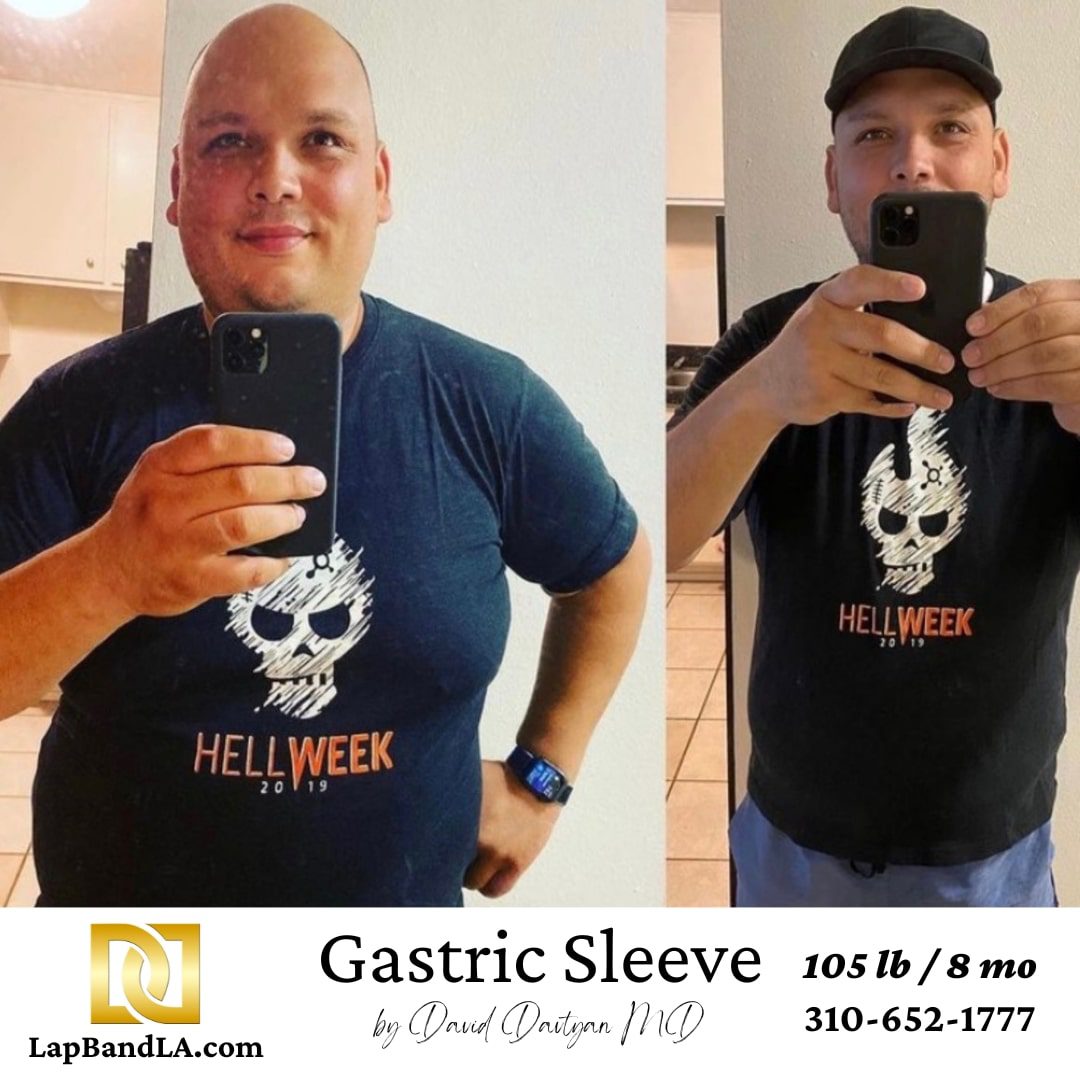
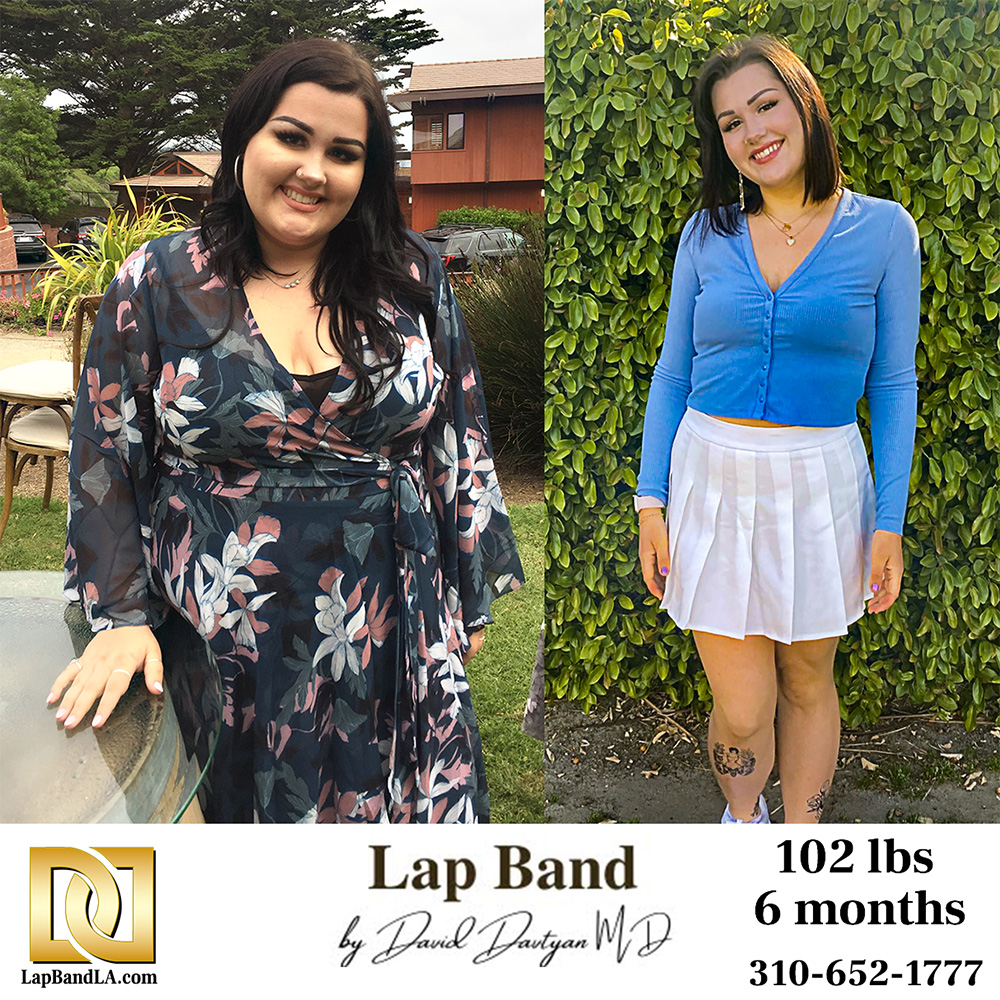
You can explore real bariatric surgery before and after results to see the life-changing outcomes many patients experience.

You can also read inspiring bariatric surgery success stories from patients who have transformed their health.

Making an Informed Decision

Understanding the risks of bariatric surgery is an essential part of making an informed medical decision.

During consultation, Dr. David Davtyan reviews each patient’s medical history, discusses available procedures, and carefully explains both the potential benefits and risks.

With proper preparation, experienced surgical care, and long-term lifestyle support, most patients achieve successful weight loss and improved overall health.

Beverly Hills

map

436 North Bedford Dr. Suite 207Beverly Hills, CA 90210
Main: 310-652-1777
Toll Free: 877-9-BE-SLIM

Glendale

map

1141 N. Brand Blvd. #100Glendale, CA 91202
Main: 818-546-1500
Toll Free: 877-9-BE-SLIM

Rancho Cucamonga

map

8330 Red Oak Street, Suite 201Rancho Cucamonga, CA 91730
Main: 909-355-2525
Toll Free: 877-9-BE-SLIM

South Coast Lap-Band

map

10900 Warner Avenue, Suite 121Fountain Valley, CA 92708
Main: 714-777-7868
Toll Free: 877-9-BE-SLIM

Marina Del Rey Hospital

map

4650 Lincoln Blvd.,Marina Del Rey, CA 90292
Main: 310-652-1777
Toll Free: 877-9-BE-SLIM

Close

Schedule a FREE Discovery Call