











Types

Types of Bariatric Surgery: Understanding Your Weight Loss Surgery Options

When patients begin researching weight loss procedures, one of the first questions they ask is about the types of bariatric surgery. Modern medicine now offers several surgical and non-surgical procedures designed to help individuals achieve long-term weight loss and improved metabolic health.

At our Los Angeles practice, Dr. David Davtyan, MD, FACS, FICS, helps patients navigate these options by providing a comprehensive evaluation and personalized treatment plan. Dr. Davtyan is board certified by the American Board of Surgery and the American Board of Obesity Medicine, and has performed thousands of bariatric procedures throughout his career.

After receiving his medical training at the UCLA School of Medicine, Dr. Davtyan completed extensive surgical training at world-renowned institutions including M.D. Anderson Cancer Center and the John Wayne Cancer Institute. His experience in complex surgical oncology and minimally invasive surgery allows him to offer highly advanced weight loss procedures tailored to each patient’s medical needs.

Understanding how different bariatric procedures work can help you and your physician determine which treatment option best fits your health goals and long-term weight management plan.

How Bariatric Surgery Works

Most bariatric surgery procedures help patients lose weight through one or more mechanisms:

  • Restricting the amount of food the stomach can hold
  • Reducing hunger hormones that trigger appetite
  • Changing digestion and calorie absorption
  • Helping patients feel full sooner and eat smaller portions

These changes make it easier for patients to adopt healthier eating habits and maintain long-term weight loss.

Dr. Davtyan emphasizes that successful obesity treatment often requires a multidisciplinary approach, combining surgical procedures with medical weight loss therapies, nutritional guidance, and lifestyle counseling

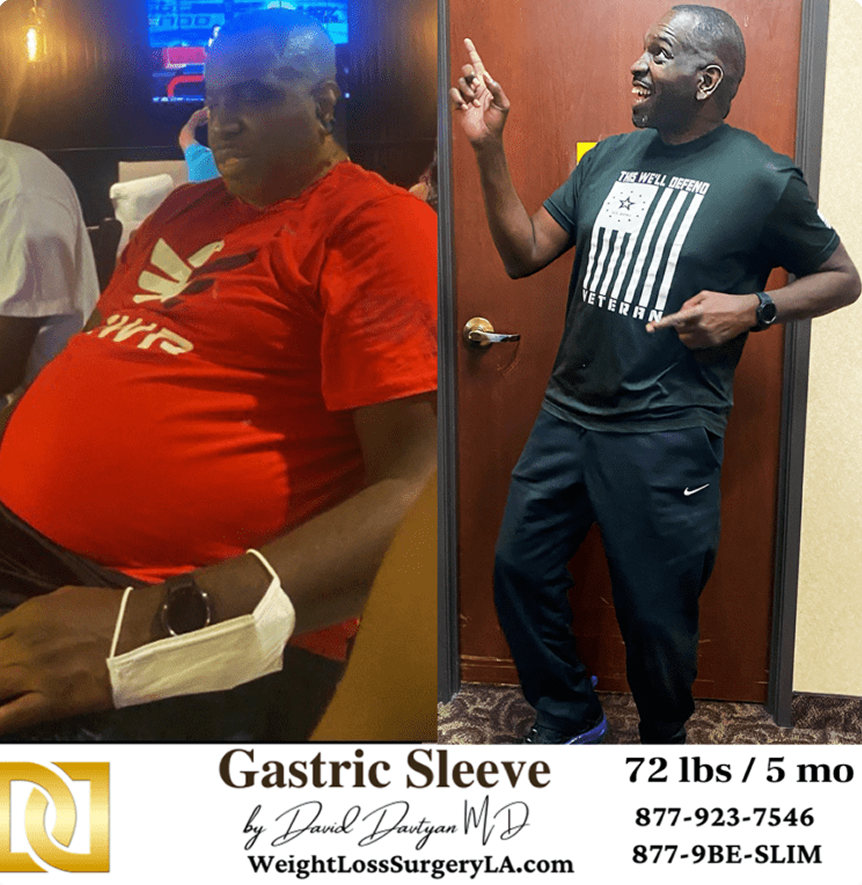
Gastric Sleeve Surgery

One of the most widely performed procedures today is gastric sleeve surgery.

During this minimally invasive surgery, a large portion of the stomach is removed, leaving a narrow sleeve-shaped stomach. The smaller stomach restricts food intake and helps regulate hormones that control hunger and metabolism.

Benefits of gastric sleeve surgery include:

Many patients choose this procedure because it offers strong weight loss results with relatively simple surgical anatomy.

You can learn more about the gastric sleeve procedure  and how it compares to other bariatric treatments.

Gastric Balloon Procedure

For patients who prefer a non-surgical option, doctors may recommend the gastric balloon procedure.

This treatment involves placing a soft balloon inside the stomach through an endoscopic procedure. The balloon temporarily occupies space in the stomach, helping patients feel full faster and reduce portion sizes.

The gastric balloon is typically recommended for:

  • Patients with lower BMI ranges
  • Individuals seeking non-surgical weight loss options
  • Patients who need support developing healthier eating habits

You can learn more about how the gastric balloon weight loss treatment works and whether it may be appropriate for your situation.

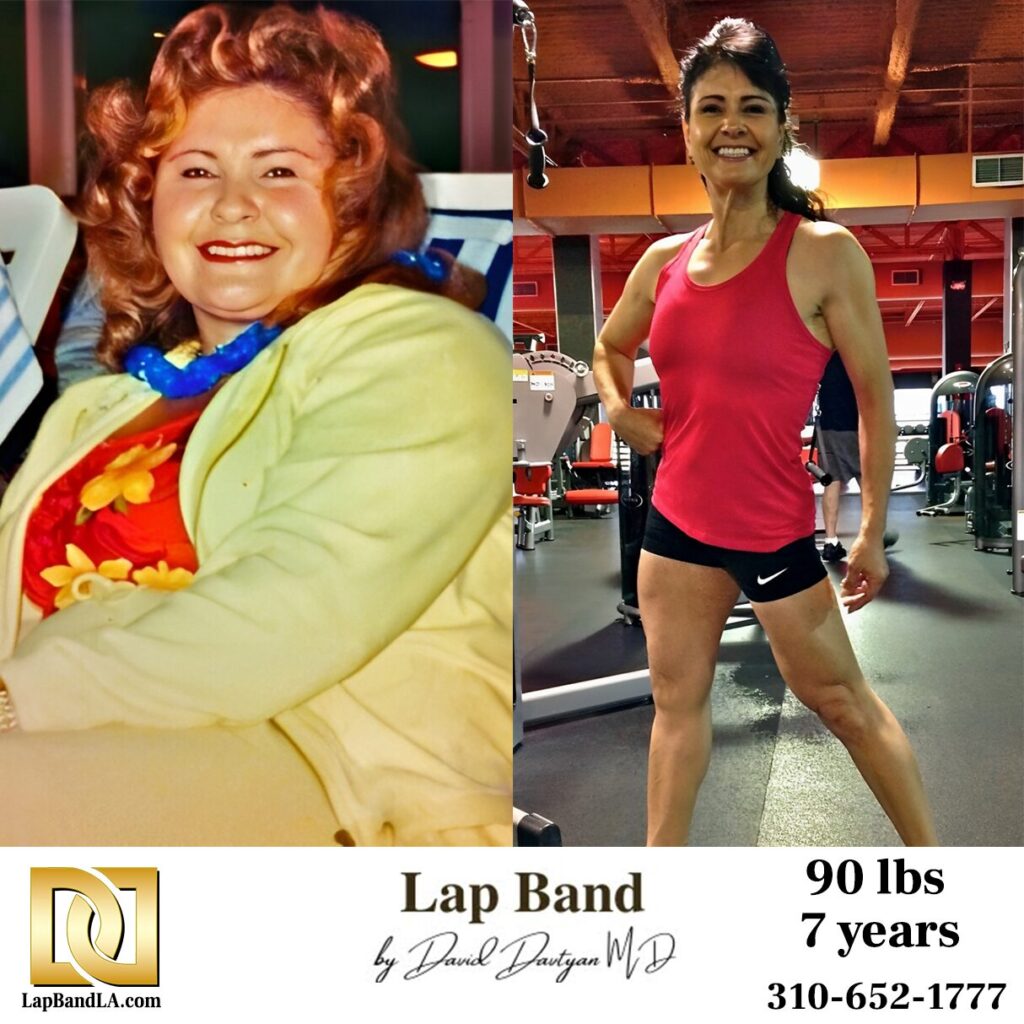
Lap-Band Surgery

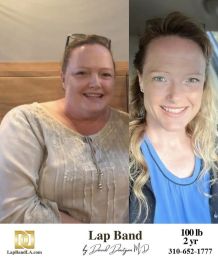
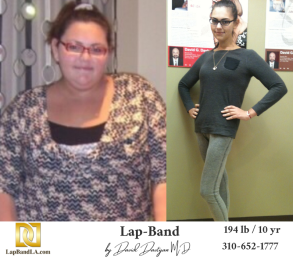
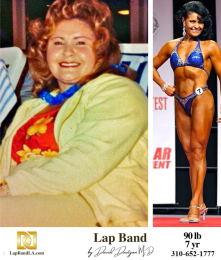
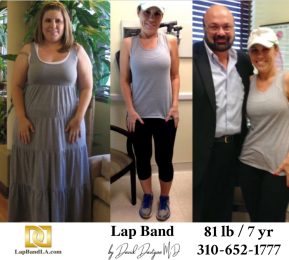
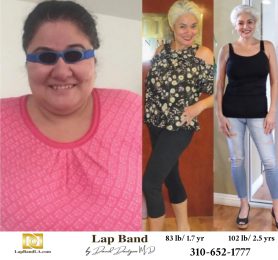
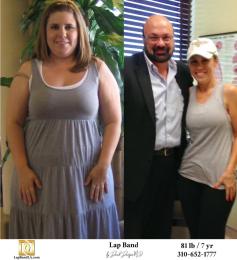
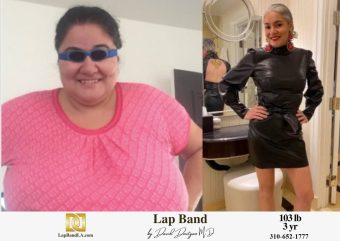
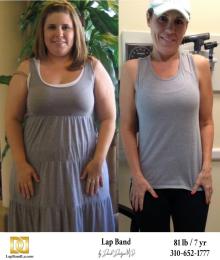
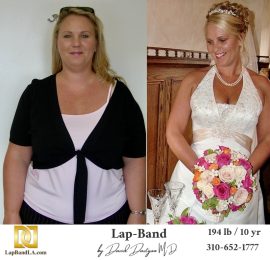
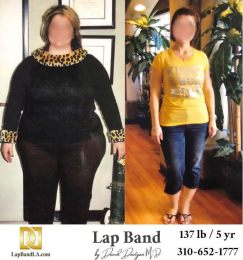
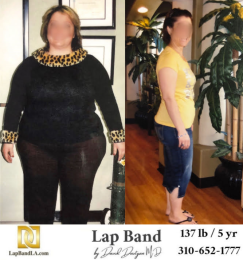
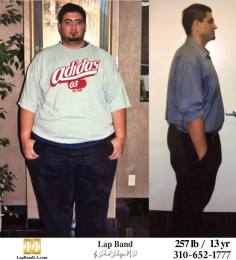
Another option is Lap-Band surgery, also known as adjustable gastric banding.

During this minimally invasive procedure, a silicone band is placed around the upper portion of the stomach to create a smaller stomach pouch. The band can be adjusted over time to regulate how much food passes through the stomach

Benefits of Lap-Band surgery include:

  • Adjustable restriction
  • Minimally invasive surgery
  • No permanent stomach removal
  • Reversible procedure

Dr. Davtyan was among the early surgeons to introduce the Lap-Band procedure in California and has performed thousands of successful bariatric operations using this and other advanced techniques.

You can explore the details of the Lap-Band weight loss procedure to determine whether it may be the right option for you.

Gastric Bypass Surgery

Another well-known procedure is gastric bypass surgery, which changes how food moves through the digestive system.

This surgery creates a small stomach pouch and reroutes part of the small intestine, which reduces calorie absorption and alters metabolic hormone signaling.

Gastric bypass is often recommended for patients with:

  • Severe obesity
  • Type 2 diabetes
  • Certain metabolic conditions

This procedure may be discussed when evaluating bariatric surgery options.

Comparing Bariatric Surgery Procedures

When comparing different bariatric surgery procedures, physicians consider several important factors:

  • Body Mass Index (BMI)
  • Existing medical conditions
  • Previous weight loss attempts
  • Lifestyle and eating habits
  • Long-term weight loss goals

During consultation, Dr. Davtyan carefully evaluates these factors to determine which surgical or non-surgical approach provides the safest and most effective outcome for each patient.

Who Is a Candidate for Bariatric Surgery?

Before choosing a procedure, doctors determine who qualifies for bariatric surgery.

Typical candidates include individuals who:

  • Have a BMI of 40 or higher
  • Have a BMI over 35 with obesity-related health conditions
  • Have struggled with long-term weight management
  • Are committed to long-term lifestyle changes

Proper patient screening helps ensure the safest and most successful surgical outcomes.

Benefits of Weight Loss Surgery

The health benefits of bariatric surgery extend far beyond weight loss

Patients often experience improvements in conditions such as:

  • Type 2 diabetes
  • High blood pressure
  • Sleep apnea
  • Joint pain
  • Heart disease

Many patients also report improved energy levels, greater mobility, and enhanced quality of life after surgery.

Risks of Bariatric Surgery

Like any medical procedure, there are risks of bariatric surgery  that should be carefully discussed with your physician.

Potential risks may include:

  • Surgical complications
  • Nutritional deficiencies
  • Digestive changes
  • Temporary discomfort during recovery

Working with an experienced surgeon and following proper medical guidance significantly reduces these risks.

Choosing the Right Procedure

Selecting the most appropriate procedure requires careful evaluation of your medical history and long-term weight loss goals.

A consultation with a specialist can help determine whether gastric sleeve surgery, the gastric balloon procedure, or Lap-Band surgery may be the most appropriate treatment.

Dr. Davtyan works closely with each patient to develop a personalized plan that provides the safest path toward sustainable weight loss.

Take the Next Step Toward Better Health

If you are considering weight loss surgery, understanding the types of bariatric surgery available is the first step toward making an informed decision.

With the guidance of an experienced bariatric surgeon like Dr. David Davtyan, many patients achieve lasting weight loss and significant improvements in overall health.

A consultation can help determine the safest and most effective treatment strategy for your individual needs.

Beverly Hills

map

436 North Bedford Dr. Suite 207Beverly Hills, CA 90210
Main: 310-652-1777
Toll Free: 877-9-BE-SLIM

Glendale

map

1141 N. Brand Blvd. #100Glendale, CA 91202
Main: 818-546-1500
Toll Free: 877-9-BE-SLIM

Rancho Cucamonga

map

8330 Red Oak Street, Suite 201Rancho Cucamonga, CA 91730
Main: 909-355-2525
Toll Free: 877-9-BE-SLIM

South Coast Lap-Band

map

10900 Warner Avenue, Suite 121Fountain Valley, CA 92708
Main: 714-777-7868
Toll Free: 877-9-BE-SLIM

Marina Del Rey Hospital

map

4650 Lincoln Blvd.,Marina Del Rey, CA 90292
Main: 310-652-1777
Toll Free: 877-9-BE-SLIM

Close

Schedule a FREE Discovery Call